The Invisible Co-Pilot and the Asphalt Battlefield: A Comprehensive Analysis of Vehicle Automation, Intersection Design, and Community Safety
Picture this: You are the Protective Parent on the afternoon school run, navigating a crowded suburban corridor. Or perhaps you are the Commuter, white-knuckling the steering wheel through a six-lane arterial road at dusk. Maybe you are the Neighborhood Watch Lead, standing on your corner and watching with dismay as delivery trucks blow through local stop signs. In all of these scenarios, the modern driving experience is defined by a profound, often stressful paradox.
On one side of the glass, the automotive industry is undergoing a technological renaissance. We are surrounded by Advanced Driver Assistance Systems (ADAS) that utilize artificial intelligence, radar, and sophisticated optics to predict and prevent collisions before our human reflexes can even register a threat. On the other side of the glass, however, the physical infrastructure upon which these brilliant machines operate—specifically the urban intersection—remains largely rooted in outdated, twentieth-century traffic engineering paradigms. These legacy designs prioritize the rapid movement of heavy machinery over the safety of vulnerable human beings, creating “Dangerous by Design” roadways.
This disconnect between the software in our cars and the hardware of our streets has resulted in a plateauing—and in some demographics, an alarming increase—in traffic fatalities. In 2023 alone, the United States witnessed 40,901 individuals killed in motor vehicle crashes. More shockingly, the pedestrian safety crisis has reached a terrifying crescendo; in 2022, the number of pedestrians struck and killed reached a 40-year high of 7,522, representing an astonishing 75 percent increase since 2010. To put this in perspective, that is roughly the equivalent of three full commercial airliners crashing every single month for a year.
This exhaustive research report investigates the critical intersection of automotive technology, civil engineering, and grassroots community accountability. It seeks to demystify Advanced Driver Assistance Systems (ADAS)—separating soaring marketing promises from grounded engineering realities by analyzing what these systems execute flawlessly and where their limitations can be fatal. Furthermore, this report dissects the anatomical flaws of the American road network, identifying the ten most dangerous intersection design patterns that claim thousands of lives annually. Finally, it explores actionable, low-cost “tactical urbanism” solutions that communities can immediately champion to reclaim their streets, alongside the emerging paradigm of community-driven safety platforms, like Carszy, that empower everyday drivers to bridge the gap between technological limitations and infrastructural deficits. For a focused driver’s guide to these dangers and fixes, see 2026 Pedestrian Safety Crisis and Community Solutions, which unpacks how school zones and intersection patterns overlap with these risks.
Part I: The Illusion of Autonomy: Deconstructing ADAS
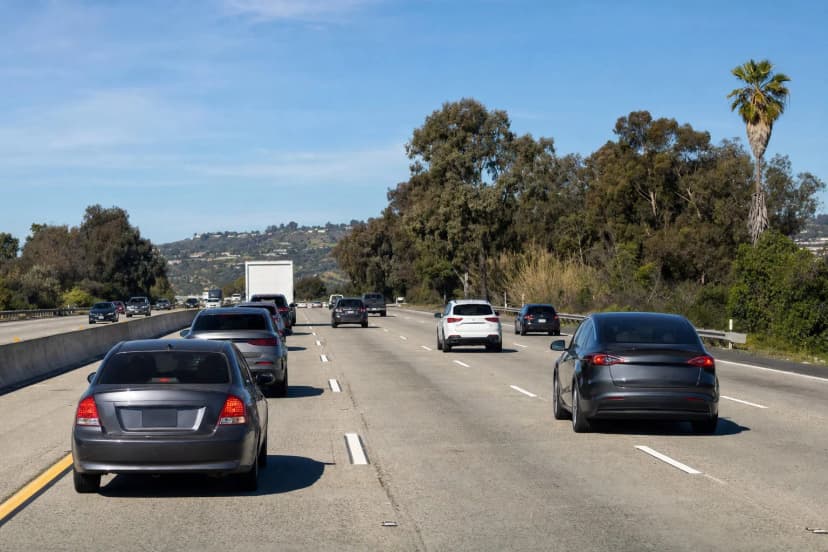
For the Tech-Savvy Driver, the journey toward fully autonomous vehicles (Level 5 automation) has been a highly anticipated, yet frustratingly delayed, timeline. In theory, fully automated driving could eliminate the vast majority of crashes, which are historically attributed to human error. However, that utopian level of automation will not be parked in your driveway anytime soon. In its place, the automotive industry has universally adopted Advanced Driver Assistance Systems (ADAS).
These technologies constantly monitor driver input and the surrounding environment, warning the operator of impending danger and, in advanced iterations, automatically braking or steering to avoid collisions. While marketed under a dizzying array of proprietary acronyms, ADAS technologies generally fall into two broad categories: crash avoidance features (which intervene aggressively in emergency scenarios) and partial automation features (which handle routine driving tasks like lane centering but require constant, vigilant human supervision. Understanding the distinct difference between a system designed to save your life and a system designed for convenience is vital for roadway safety. If you want a deeper, plain-language breakdown of road rage, recklessness, and how to stay calm while these systems work, explore Understanding Road Rage, Recklessness, and Insurance Tips.
The Triumphs of Technology: What ADAS Does Exceedingly Well
Empirical data reveals that specific ADAS features are undeniably effective at reducing the frequency and severity of certain crash typologies. The Insurance Institute for Highway Safety (IIHS) and the Highway Loss Data Institute (HLDI) continuously evaluate these technologies by comparing rates of police-reported crashes and insurance claims for identical vehicle models equipped with and without specific features. The data highlights clear winners in the safety technology arms race.
Automatic Emergency Braking (AEB)
Front crash prevention systems, commonly known as AEB, represent the most significant leap in automotive safety since the widespread adoption of the seatbelt and electronic stability control. These systems utilize a combination of forward-facing cameras, radar, or lidar (Light Detection and Ranging) to detect when a vehicle is closing the distance too rapidly with a leading vehicle, object, or pedestrian. When the computer detects an imminent collision, the system first issues an audible and visual warning while simultaneously precharging the brakes to maximize their stopping power. If the driver fails to respond in time, the system autonomously applies maximum braking force to mitigate or entirely avoid the impact.
The real-world efficacy of AEB is profound. According to comprehensive IIHS-HLDI findings, standard AEB reduces front-to-rear crashes by an incredible 50 percent, and more importantly, it reduces front-to-rear crashes involving physical injuries by 56 percent. Furthermore, it decreases insurance claim rates for injuries to individuals in other vehicles by 24 percent, proving that the technology protects not just the occupants of the equipped car, but the surrounding community as well. In the context of heavy commercial transport, AEB reduces large truck front-to-rear crashes by 41 percent.
When specifically equipped with advanced pedestrian detection algorithms, AEB systems show a 27 percent reduction in all pedestrian crashes and a 30 percent reduction in pedestrian injury crashes. This specific technological intervention is considered so foundational to public safety that a voluntary commitment coordinated with the National Highway Traffic Safety Administration (NHTSA) resulted in 20 participating major automakers installing AEB technology in at least 95 percent of new passenger vehicles sold in the United States by August 2023.
Blind Spot Detection and Rear Cross-Traffic Mitigation
Lane changes and reversing maneuvers rely heavily on a driver’s spatial awareness, peripheral vision, and line of sight—all of which are naturally limited by the physical pillars and headrests that create a vehicle’s blind spots. Blind Spot Detection (BSD) systems elegantly solve this by utilizing lateral radar sensors located in the rear bumper to monitor adjacent lanes. When a vehicle occupies the blind zone, the system illuminates a warning light in the corresponding side mirror, often adding an audible chime if the driver activates their turn signal. BSD is responsible for a 14 percent reduction in lane-change crashes and a highly significant 23 percent reduction in lane-change crashes that result in injuries.
Similarly, Rear Automatic Braking serves as an exceptionally robust safety net for reversing vehicles, especially in crowded parking lots or suburban driveways where children may be present. When combined with standard rearview cameras and ultrasonic parking sensors, this technological suite yields an astounding 78 percent reduction in backing crashes. Standalone Rear Cross-Traffic Alert systems, which utilize radar to warn drivers of vehicles approaching perpendicularly from the sides while backing out of blind spots, reduce backing crashes by 22 percent independently.
Lane Departure Warning and Prevention
Drifting out of a designated lane due to distraction or drowsiness is a primary cause of catastrophic sideswipe and head-on collisions. Lane Departure Warning (LDW) uses forward-facing cameras to track painted lane markings. If the vehicle drifts without an active turn signal, the system alerts the driver. More advanced Lane Keep Assist (LKA) systems will actively apply steering torque to gently nudge the vehicle back to the center of the lane. Statistically, these systems result in an 11 percent reduction in single-vehicle, sideswipe, and head-on crashes, and a 21 percent reduction in injury crashes of the same types. To pair these tools with practical night driving techniques, see Night Drive Mastery: 10 Immediate Ways to Cut Risk, which shows how lighting, mirrors, and fatigue management work alongside ADAS.
| ADAS Feature | Primary Real-World Benefit & Crash Reduction |
|---|---|
| Automatic Emergency Braking (AEB) | 50% reduction in front-to-rear crashes; 56% reduction in injury crashes. |
| AEB w/ Pedestrian Detection | 27% reduction in pedestrian crashes; 30% reduction in pedestrian injuries. |
| Blind Spot Detection | 14% reduction in lane-change crashes; 23% reduction in injury crashes. |
| Rear Automatic Braking | 78% reduction in backing crashes (when combined with camera/sensors). |
| Rear Cross-Traffic Alert | 22% reduction in backing crashes. |
| Lane Departure Warning | 11% reduction in sideswipe/head-on crashes; 21% reduction in injury crashes. |
The Edge Cases: Where the Co-Pilot Catastrophically Fails
Despite the highly impressive statistics outlined above, ADAS is fundamentally limited by the physical constraints of its hardware sensors and the psychological constraints of the humans operating alongside it. Treating these silicon-based systems as infallible safety shields invites disaster. The failure scenarios of ADAS generally stem from environmental confusion, technical blindness, and dangerous shifts in human behavior.
Sensor Confusion and Environmental Blind Spots
Automated systems rely on a clean, predictable, and mathematically perfect interpretation of the physical world. When the real world behaves unpredictably, the algorithms falter.
One of the most concerning and ironic limitations involves the very safety gear designed to protect vulnerable road users. Research indicates that while highly reflective clothing makes pedestrians stand out prominently to human drivers at night, it can actually confound automated vehicle technology. The high albedo (reflectivity) of safety vests can oversaturate the vehicle’s camera sensors or scatter lidar signals in chaotic ways that the software has not been adequately trained to interpret, rendering the pedestrian functionally “invisible” to the crash prevention system just moments before impact.
Furthermore, environmental degradation severely impacts sensor reliability. Lane departure warning and prevention systems require clear visual contrast to identify lane markings on the asphalt. These systems are routinely disabled automatically or rendered completely ineffective on roads with faded paint, during heavy rain, or when roads are covered with snow and ice. Similarly, pedestrian crash avoidance systems, while highly effective during ideal daylight hours, historically struggle to detect pedestrians in low-light or nighttime conditions—which is precisely the environment where the vast majority of fatal pedestrian strikes occur. For a deeper look at how design and visibility failures harm walkers and riders, see Pedestrian and Cyclist Safety: A Human-Centric Approach.
Operating speeds also dictate the efficacy of these interventions. Many front crash prevention systems are calibrated to function optimally within specific speed thresholds. In extremely high-speed highway scenarios, or conversely, in complex, slow-moving urban congestion with unpredictable cross-traffic, the sensors may not process the closing speed fast enough. In these edge cases, the system may automatically disengage, abruptly passing the operational burden back to the human driver without sufficient warning time to react.
The Psychology of Automation: Overreliance and Complacency
Perhaps the greatest danger associated with modern ADAS is not technical, but deeply psychological. The implementation of Level 2 partial automation—systems that can control steering (lane centering) and speed (adaptive cruise control) simultaneously—has introduced a dangerous phenomenon known to human factors engineers as “automation complacency.”
Drivers utilizing partial automation on long commutes frequently develop a false sense of security, assuming the technology possesses a deeper, more contextual understanding of the environment than it actually does. This “over-trust” leads directly to driver disengagement. Instead of acting as vigilant supervisors ready to intervene at a millisecond’s notice, drivers tune out. They engage with their smartphones, turn around to tend to children in the backseat, or succumb to highway hypnosis and drowsiness. The vehicle may be staying in its lane, but the human is no longer driving.
The consequences of this disengagement are reflected in grim, rising statistics. As of late November 2025, there have been 5,202 reported autonomous vehicle accidents logged in the United States. While the vast majority of these resulted in minor property damage or no reported injuries, there have been 65 confirmed fatalities associated with these incidents across the country. From 2021 to 2024, vehicles operating with Level 2 automation (specifically noting Tesla’s high volume) reported 1,745 crashes. Waymo, operating Level 4 Automated Driving Systems (ADS), reported 630 crashes in the same timeframe.
| Severity of Injury in Autonomous Vehicle Accidents (Through Nov 2025) | Number of Incidents |
|---|---|
| Unknown / No Injury Reported | 4,751 |
| Minor Injury | 257 |
| Moderate Injury | 70 |
| Serious Injury | 59 |
| Fatality | 65 |
The IIHS recently published a landmark study concluding that there is little evidence to suggest that Level 2 partial automation actually prevents crashes. By rigorously analyzing crash records and insurance loss data for identical vehicles equipped with and without these advanced systems, researchers found that partial automation acts more as a convenience feature—akin to power windows, air conditioning, or heated seats—rather than a robust safety technology. IIHS President David Harkey noted, “Everything we’re seeing tells us that partial automation is a convenience feature... rather than a safety technology”. The core safety benefits of a modern vehicle remain entirely tethered to foundational crash avoidance features like AEB, not the highly marketed, hands-free “self-driving” suites.
Moreover, ADAS features are frequently subjected to user disablement. Systems that rely on aggressive, repetitive audible warnings, such as loud “beeping” lane departure alerts, are routinely turned off by drivers who find them annoying, overly sensitive, or overwhelming in heavy traffic. A safety system that has been manually disabled via a touchscreen menu provides zero protection. Conversely, driver monitoring technologies that operate silently in the background, such as Subaru’s DriverFocus—which utilizes a sophisticated driver-facing infrared camera to detect signs of eye closure, distraction, or drowsiness—have seen much better user reception, with nine out of ten drivers choosing to leave the feature active. For a look at how these “invisible co-pilots” are evolving into community tools, see The Future of Dashcams: AI, Community Safety & Human Media™.
Part II: The Anatomy of a Crash: The 10 Most Dangerous Intersection Patterns
While automotive engineers labor in laboratories to perfect vehicle sensors and mitigate human complacency, civil engineers and urban planners are grappling with a legacy of deeply flawed physical infrastructure. The advocacy concept of “Dangerous by Design” highlights a brutal reality: American streets have historically been engineered to maximize vehicular throughput and speed, often at the direct, lethal expense of safety for pedestrians, cyclists, and the motorists themselves.
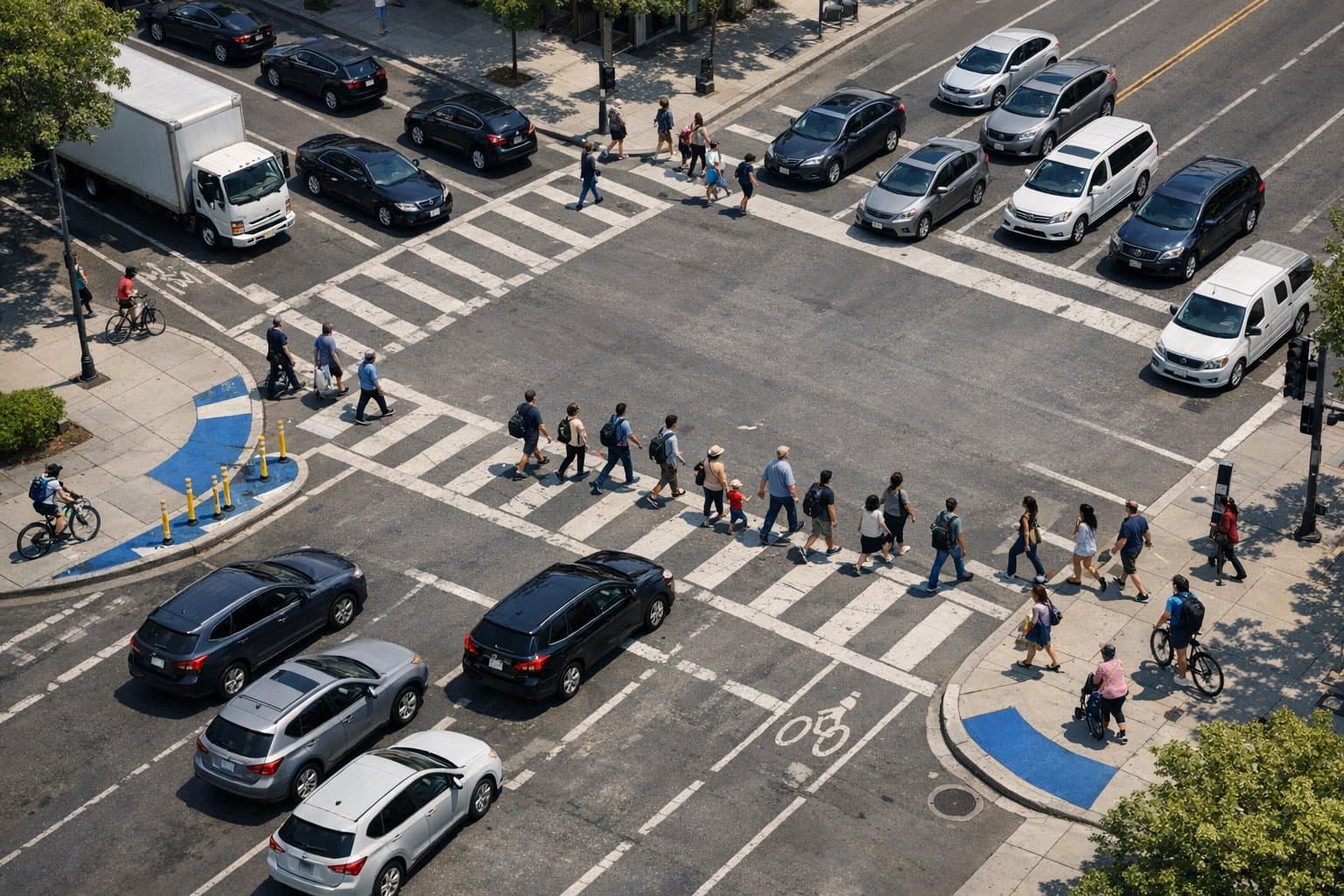
This prioritization of the machine over the human is most devastatingly evident at intersections. Intersections are the ultimate points of systemic conflict—zones where distinct trajectories converge, where pedestrians cross multiple lanes of traffic, and where split-second calculations are demanded from human operators who may be tired, distracted, or operating under the false security of ADAS. When the geometric design of the intersection is fundamentally flawed, the margin for human error disappears, and physics takes over.
Based on comprehensive guidelines from the National Association of City Transportation Officials (NACTO) and extensive urban safety audits across major metropolitan areas, the following are the ten most dangerous intersection design patterns currently plaguing our roadway networks. For the Neighborhood Watch Lead and the daily Commuter, identifying these patterns is the first step toward advocating for change.

1. Prioritizing Vehicular Throughput Over Safety
The foundational flaw in many intersection designs is the core metric by which civil engineers have historically judged them: Level of Service (LOS). Traditional traffic engineering prioritizes moving the absolute maximum volume of cars through an intersection in the shortest amount of time. This philosophy results in sprawling, multi-lane behemoths that demand extended signal times. By prioritizing throughput, designers inherently maximize motor vehicle speed and volume, leaving pedestrians stranded on narrow, unprotected medians and forcing cyclists to navigate expansive, chaotic conflict zones where they are virtually invisible to turning trucks.
2. Unprotected Left Turns and Turning Vehicle Conflicts
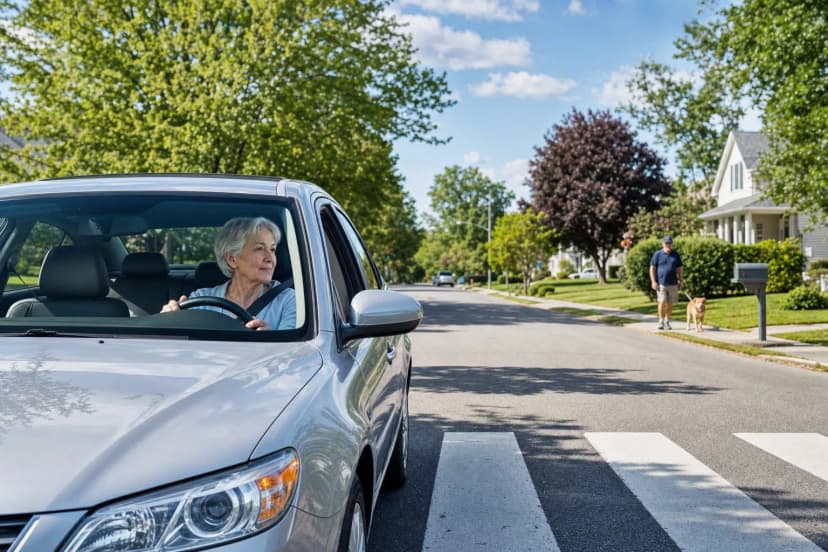
Left-turning motorists represent one of the highest overall risk factors for pedestrians and oncoming traffic. In Chicago, detailed traffic data revealed that 39 percent of all crashes resulting in severe pedestrian injuries or fatalities at intersections involved a left-turning motorist. Left turns are cognitively exhausting and complex. The driver must simultaneously monitor the oncoming lanes, judge the speed and distance of approaching traffic to find a gap, and then verify that the destination crosswalk is completely clear of pedestrians.
This immense cognitive load is exacerbated by the vehicle’s “A-pillar” (the structural steel support between the windshield and the driver’s side window). During a left-hand sweep, the A-pillar can perfectly obscure a pedestrian crossing the street, keeping them in the driver’s blind spot for the entirety of the turn. Furthermore, intersection geometries that allow for wide, sweeping left turns encourage drivers to take the turn at higher speeds, dramatically increasing the kinetic energy transferred during a potential pedestrian impact.
3. High-Speed Merges and “Slip Lanes”
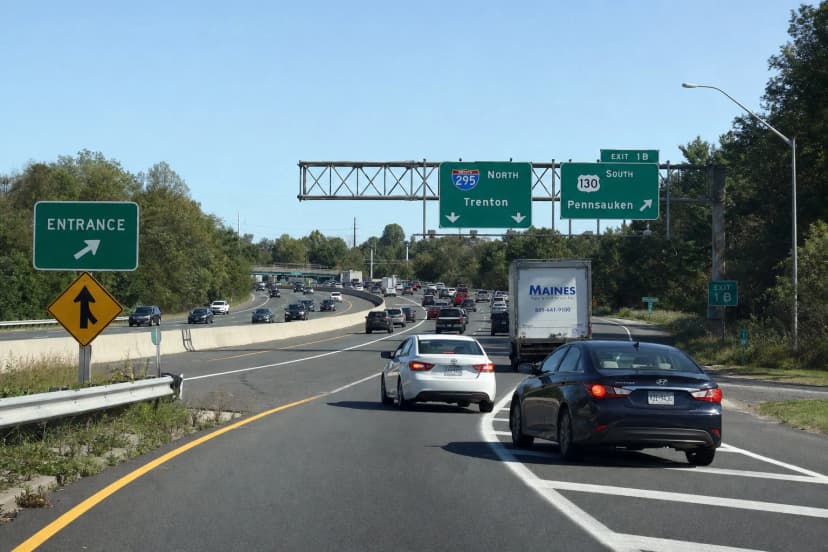
A slip lane (often referred to as a channelized right turn) is a dedicated, sweeping right-turn lane separated from the main intersection by a small, triangular concrete traffic island. Designed explicitly to allow vehicles to turn right without stopping at a red light, slip lanes inherently prioritize speed over safety. They are remarkably dangerous for pedestrians. A slip lane forces a pedestrian to step into a crosswalk where drivers are moving continuously and looking exclusively to their left to find a gap in oncoming traffic—meaning the driver is emphatically not looking right at the crosswalk they are barreling through. Furthermore, slip lanes force cyclists in bike lanes to navigate high-speed merges where heavy vehicles are entering the roadway at dangerous velocities. For a practical guide to handling and fixing these “zipper” conflicts, see Enhancing Road Safety with Zipper Merge and Community Tools.
4. Excessive Crossing Delays
Human behavior is deeply predictable. When an intersection design utilizes excessively long signal cycles to accommodate massive volumes of vehicle traffic from all directions, pedestrians are forced to wait for extended, unreasonable periods on the curb. Excessive delay breeds frustration, impatience, and eventual non-compliance. A commuter rushing to catch a bus, evaluating the long wait against a perceived gap in traffic, will frequently attempt to cross against the light or dash outside the designated crosswalk. Intersection designs that force people to wait unreasonably long periods directly encourage unsafe risk-taking behavior.
5. Lack of Mutual Visibility (Daylighting Failures)
Mutual visibility is a core tenet of the modern Safe System Approach. Designs where people walking, biking, and driving are not immediately mutually visible to one another guarantee collisions. This dangerous pattern is commonly caused by municipal codes allowing street parking directly up to the edge of a crosswalk, or by placing large utility boxes, oversized signage, or overgrown vegetation on street corners. When a driver cannot see a child stepping off the curb until the vehicle is already inside the intersection, ADAS sensors and human reflexes are largely useless due to the lack of reaction time.
6. High Approach Speeds on Arterial Corridors
Urban arterials—wide, multi-lane roads designed to funnel commuters from suburbs into city centers—make up only 15 percent of all urban roads but account for a staggering, disproportionate 67 percent of all urban pedestrian deaths. These roads (often derisively termed “stroads” by urban planners for combining the high speeds of a road with the multiple access points of a street) invite highway speeds in dense, pedestrian-heavy environments. Intersections situated along these high-speed arterials are inherently dangerous because a driver’s field of vision physically narrows as speed increases (tunnel vision), and the stopping distance required to avoid an obstacle grows exponentially. Driving just 5 miles per hour over a 25 mph limit nearly doubles the likelihood that a pedestrian strike will be fatal.
7. High Turn Speeds and Wide Corner Radii
The radius of a street corner mathematically dictates how fast a vehicle can take a turn. Broad, sweeping corners, favored in suburban design to accommodate large delivery trucks, allow everyday cars to maintain speeds of 20 to 30 mph while turning into crosswalks. At these speeds, a pedestrian strike has a very high probability of resulting in a fatality or severe traumatic brain injury. Conversely, compact intersections with tight, 90-degree corners force drivers to slow down to a crawl (under 10 mph) before initiating a turn, significantly reducing both the likelihood of a crash and the severity of conflicts.
8. “Giving Up” at the Intersection
A common, frustrating failure in municipal bike infrastructure is the tendency for city planners to “give up” at the intersection. Cities will frequently spend thousands of dollars installing protected, painted bike lanes along straight, easy road segments, only to have the protective lane abruptly end and merge into mixed vehicle traffic precisely at the intersection—the most complex, high-conflict, and dangerous part of the cyclist’s journey. Leaving cyclists entirely unprotected during complex turn conflicts forces them to negotiate space with heavy vehicles, a scenario that routinely results in severe injuries.
9. Complex, Multi-Lane Geometries
Intersections with multiple dedicated turn lanes, complex merging patterns, offset crosswalks, and confusing lane markings overwhelm human cognitive processing capacities. When a driver is unsure of which lane they should be in to reach the highway on-ramp, their attention is diverted from safety to navigation. Complexity leads to hesitation, last-second lane weaving, late merges, and catastrophic side-impact collisions.
10. Inadequate Signal Phasing and Timing
Standard traffic signals often fail completely to account for the different travel speeds and physical vulnerabilities of various road users. Using signal timing that permits “permissive” left turns (turning left on a solid green ball while yielding to oncoming traffic and parallel pedestrians) creates a high-stress, high-danger conflict zone. Furthermore, failing to provide enough crossing time for elderly, disabled, or very young pedestrians to completely traverse wide, multi-lane arterial roads before cross-traffic is given a green light is a fatal, systemic design flaw.
Case Studies in Crisis: America’s Most Dangerous Hotspots
The theoretical architectural flaws outlined above manifest in devastating, bloody real-world statistics across the country. By looking at specific regional data, we see how these patterns create predictable hazard zones.
Memphis, Tennessee: A spotlight by Smart Growth America’s “Dangerous by Design” report identified Memphis as the new number one most deadly metropolitan area for pedestrians. The pedestrian fatality rate has nearly tripled since 2009, rising to 5.14 deaths per 100,000 people. Between 2018 and 2022, 343 people died while walking, indicating a severe, worsening crisis tied directly to arterial road design.
Phoenix, Arizona: The Maricopa Association of Governments utilized crash data from 2017 to 2022 to identify Phoenix’s wide arterials as some of the most dangerous in the region. These intersections suffer from a lethal combination of extremely high traffic volume (as drivers use surface streets to bypass congested freeways), poor nighttime visibility, and long signal cycles that push drivers to run red lights.
| Top Dangerous Intersections: Phoenix, AZ (2017-2022) | Total Reported Crashes | Key Risk Factors |
|---|---|---|
| 99th Avenue & Lower Buckeye Road | 411 | Heavy commuter traffic, high speeds, complex patterns. |
| 67th Avenue & Indian School Road | 263 | Wide lanes inviting speed, long signal cycles. |
| 67th Avenue & McDowell Road | 251 | Red-light running, high-energy side impacts. |
| 75th Avenue & Indian School Road | 249 | Complex turn lanes, high volume. |
Orange County, California: Southern California’s dense, sprawling commuter networks and massive tourist influxes create intense daily friction points. High-traffic corridors intersecting with beach routes create unique hazards.
| Top Dangerous Intersections: Orange County, CA | Total Accidents | Notable Incidents / Key Risks |
|---|---|---|
| Newport Blvd & Victoria St (Costa Mesa) | Ranked #1 Most Dangerous | Confusing transition from SR-55 to surface streets, lane weaving. |
| Harbor Blvd & Orangethorpe Ave (Fullerton) | 60 (82 Injuries, 1 Death) | High speeds, cyclist conflicts, heavy commercial traffic. |
| Edinger Ave & Beach Blvd (Huntington Beach) | 55 (89 Injuries) | High traffic volume, rear-end collisions during beach traffic. |
| Chapman Ave & Harbor Blvd (Fullerton) | 78 crashes (since 2010) | Red-light running, heavy university area traffic. |
Demonstrating that this is truly a nationwide epidemic, the intersection of Lalor Street & SR-129 in Trenton, New Jersey was recently ranked as the absolute deadliest intersection in the United States for 2025, recording 7 fatal crashes due to a deadly combination of heavy commercial traffic and critically poor visibility. To see how one county is using tech and community organizing to tackle similar hot spots, read OC Road Safety Hub: Community Power Using Carszy App.
Part III: Reclaiming the Asphalt: Low-Cost Tactical Urbanism Fixes
For decades, the traditional municipal approach to fixing dangerous infrastructure has involved agonizingly slow processes: ten-year capital improvement plans, exhaustive environmental impact studies, multiple rounds of bond funding, and multi-million dollar construction budgets requiring heavy machinery. However, an active safety crisis claiming dozens of lives daily demands immediate intervention. Enter the revolutionary concept of Tactical Urbanism (also widely known in planning circles as “Quick-Build” methodology).
Tactical urbanism involves utilizing extremely low-cost, scalable, and flexible materials—such as brightly colored pavement paint, plastic delineator posts, rubber speed humps, and heavy concrete planters—to trial and implement street design changes in a matter of days or weeks. This agile approach allows municipalities to immediately mitigate glaring safety concerns, test the real-world efficacy of a new intersection layout, and gather vital community feedback before committing taxpayer dollars to permanent concrete and asphalt reconstruction.
Citizens, proactive parents, and Neighborhood Watch Leads do not have to accept dangerous streets as an unavoidable reality of modern life. They can effectively lobby their city councils and departments of transportation for the following proven, high-impact, low-cost interventions. For a broader overview of how near-miss data and community reporting feed into these designs, see That Almost Moment: Where Near Misses Hide on Our Roads.

1. Paint and Post Curb Extensions (Bulb-Outs)
One of the most immediate and effective ways to slow turning vehicles and protect pedestrians is to physically narrow the roadway at the intersection, a technique known as a curb extension or “bulb-out.”
How it Works: Using heavy-duty, brightly colored commercial pavement paint and flexible reflective plastic bollards, city workers can create temporary curb extensions that jut out into the parking lane or the edge of an unnecessarily wide travel lane. This simple geometric change achieves three critical safety goals instantly:
- Reduces Crossing Distance: Pedestrians spend significantly less time exposed in the active traffic lanes.
- Daylights the Intersection: The physical barrier prevents cars from parking illegally close to the corner, ensuring clear, mutual visibility between approaching drivers and pedestrians waiting to cross.
- Tightens Turn Radii: It forces right-turning vehicles to take the corner at a much slower, safer speed, eliminating the “sweeping” turn.
Budget Reality: A comprehensive tactical urbanism program to treat multiple dangerous intersections in a neighborhood can be executed for roughly $30,000—a mere fraction of the cost of a single concrete intersection rebuild. The materials required are basic and readily available: commercial-grade porch and floor enamel paint, 3M white traffic tape for outlines, and surface-mounted delineator posts.
2. Leading Pedestrian Intervals (LPIs)
Not all safety fixes require physical materials, paint, or construction; some of the most effective interventions merely require reprogramming software at the traffic control box. A Leading Pedestrian Interval (LPI), also known commonly as a “Pedestrian Headstart,” alters the traffic signal timing to give pedestrians a 3 to 7-second head start to enter the crosswalk before vehicles traveling in the parallel direction are given a green light.
How it Works: By allowing pedestrians to step off the curb and establish themselves fully in the crosswalk first, they move out from behind parked cars and utility poles, becoming highly visible to both right- and left-turning drivers. This simple software adjustment drastically reduces the conflict between a turning vehicle and a crossing pedestrian, essentially eliminating the “A-pillar blind spot” hazard.
The Efficacy: Rigorous traffic studies indicate that LPIs reduce pedestrian-vehicle crashes by an astonishing 58.7 to 60 percent. Because the cost of implementation is essentially zero (requiring only a municipal traffic technician’s time to reprogram the existing signal controller), the economic cost-benefit ratio is massive, making it one of the most efficient safety tools available. San Francisco has aggressively implemented LPIs, placing them at 83 percent of signals on their High Injury Network.
3. Left Turn Traffic Calming (LTTC)
To actively combat the disproportionate danger of unprotected left turns through crosswalks, forward-thinking cities like Chicago have successfully implemented LTTC treatments. This involves “hardening” the centerline of a dangerous intersection using modular raised rubber speed bumps and plastic bollards.
How it Works: The physical rubber and plastic barriers extend outward from the centerline directly into the intersection. This prevents impatient drivers from cutting diagonally across the opposing lanes to beat oncoming traffic. Instead, it forces the driver to navigate deeper into the intersection squarely before initiating the turn, which requires a much sharper, 90-degree turning angle. This sharper angle naturally forces the vehicle to slow down and positions the vehicle squarely, ensuring the driver’s view of the crosswalk is no longer obstructed. Chicago has installed these low-cost treatments at 70 high-risk intersections across the city.
4. Restricted Crossing U-Turns (RCUTs) and Roundabouts
For high-speed rural or suburban multi-lane corridors, simply installing standard traffic lights often exacerbates the problem, leading to high-speed rear-end collisions as drivers slam on the brakes, or severe T-bone collisions when drivers run the red light.
How it Works: An RCUT fundamentally changes the geometry of the intersection. It completely blocks direct left turns and straight-through cross-traffic movements from the minor side streets. Instead, drivers on the minor street are forced to turn right, seamlessly merge into traffic, and then make a safe U-turn at a dedicated, protected median opening a short distance down the road. Alternatively, replacing a traditional signalized intersection with a traffic circle or roundabout forces all approaching traffic to slow down and deflect around a central island, eliminating the possibility of a high-speed, 90-degree T-bone crash.
The Efficacy: Roundabouts physically eliminate left turns across active traffic—which is the primary cause of severe intersection crashes—reducing fatal and serious injury crashes by a staggering 70 to 90 percent. RCUTs show a 30 percent increase in traffic throughput while simultaneously reducing network intersection travel time by 40 percent, proving that safety and efficiency are not mutually exclusive.
Part IV: The Accountability Crisis and The Human Layer
Even with the universal implementation of the most advanced ADAS features in every vehicle, and the flawless geometric redesign of every dangerous intersection in America, the transportation system will never be perfectly, mathematically fail-safe. Mechanical failures will happen. Extreme weather will blind sensors. Human beings will still make catastrophic errors in judgment. Collisions will still occur. However, a deeply disturbing societal trend is emerging in the immediate aftermath of these inevitable collisions: the escalating hit-and-run epidemic. When technology fails to prevent the crash, human accountability is failing in the aftermath.
The Rise of the Hit-and-Run Epidemic
Hit-and-run collisions—defined as incidents where at least one involved party flees the scene of a crash without offering legally required information, identification, or vital medical aid—are escalating at an alarming, unprecedented rate across the United States. In 2016, fatalities resulting from hit-and-runs reached the highest number ever officially recorded by the NHTSA (2,049 deaths), and the rates have only continued to climb steadily in the subsequent years. A hit-and-run crash now occurs somewhere in the U.S. every 43 seconds.
The state of California serves as the grim epicenter of this national crisis, responding to the highest volume of hit-and-run crashes in the country. The state witnesses roughly 40,000 hit-and-run crashes yearly. The justice gap in these chaotic scenarios is profound and deeply discouraging for victims. Statewide, authorities resolve only about 1 in 5 hit-and-run cases, and in some dense, complex urban environments like parts of the Bay Area or New York City, the apprehension rate has plummeted to a dismal 1 in 50 (a 2% solve rate for non-fatal incidents).
The human toll of a hit-and-run extends far beyond the immediate physical impact of twisting metal. Victims suffer significantly worse medical outcomes due to the critical delay in emergency medical response, as there is no one on scene to call 911. Furthermore, families are left grappling with the profound psychological trauma and lack of closure, knowing the perpetrator callously abandoned their loved one on the asphalt. Traditional police investigations—which rely heavily on painstakingly scouring the scene for minimal paint transfers, canvassing neighborhoods for grainy ring-camera footage, and calling local auto repair shops—are slow, methodical processes that often take weeks or months, during which vital leads run cold and the perpetrator repairs their vehicle in secret. If you ever find yourself witnessing such a crash, Witnessed a Crash? Your Smart, Life-Saving Bystander Playbook walks through calm, step-by-step actions that protect both you and the victim.
The Speed of Crowdsourced Data vs. The 911 Paradigm
When a severe collision occurs, human survival is strictly a function of time. The “Golden Hour” in trauma medicine dictates that the faster a victim receives surgical care, the higher their chances of survival. The traditional Emergency Medical Services (EMS) paradigm relies entirely on a bystander or victim being conscious and capable of placing a 911 call, which then filters through centralized dispatch. Conventional EMS units generally take 7 to 14 minutes to arrive on scene after the call is placed.
However, rigorous academic studies utilizing crowdsourced data demonstrate that the collective vigilance of a connected community operates much faster than official, centralized channels. Landmark research conducted by the U.S. DOT Volpe Center and UCLA evaluated massive datasets from the crowdsourced traffic application Waze, comparing user-reported crashes against official California Highway Patrol (CHP) collision reports.
The findings are revolutionary for public safety: crowdsourced crash alerts generated by passing drivers were logged an average of 2 minutes and 41 seconds before the corresponding official CHP report was created. In many instances, the earliest alert in a sequence appeared over 4 minutes prior to official notification. Integrating this real-time, community-generated data into official dispatch systems could theoretically decrease EMS arrival times by 20 to 60 percent. This precious lead time allows trauma centers to prepare life-saving blood transfusions and ready surgical suites well in advance of the ambulance’s arrival, undoubtedly saving lives.
Carszy and the Rise of Human Media™
This empirical data proves a powerful concept: while automotive technology has limits, and infrastructure takes time to rebuild, a connected, highly vigilant community can save lives today. This ethos is the foundational bedrock of emerging driver-to-driver communication and community safety platforms, most notably Carszy.
When a vehicle’s ADAS fails to prevent a crash, and intersection infrastructure fails to protect a pedestrian, accountability, communication, and rapid response time become paramount. Platforms operating on the principles of Human Media™ seek to shift the digital landscape away from toxic, passive social media consumption and toward tangible, real-world impact. By utilizing a vehicle’s publicly visible license plate as a secure, unique identifier, these platforms offer powerful tools that directly combat everyday roadway dangers and the insidious hit-and-run epidemic.
- Proactive Prevention via License Plate Messaging: ADAS sensors are incredible, but they cannot tell a driver that their taillight is burnt out, that a tire is dangerously underinflated, or that they left their coffee cup on the roof. More critically, technology cannot alert a distracted parent that their toddler or dog is locked in a rapidly heating car. Carszy provides a secure platform that allows any bystander to safely text or call a driver using only their license plate number. This bridges the communication gap on the road, enabling proactive, neighborly safety warnings before a tragedy or crash occurs. It also dovetails with the strategies in Preventing Child and Pet Heatstroke in Vehicles in 2026, which explains why quick human alerts are so critical.
- Rapid Response via VOIS™ (Vehicle of Interest Search): In the chaotic, adrenaline-fueled minutes following a hit-and-run, traditional law enforcement is inherently steps behind the fleeing suspect. A community-driven alert system empowers citizens to mobilize instantly. If a hit-and-run, reckless driving incident, or even an abduction occurs, surrounding app users can be immediately alerted via geolocation to watch for a specific vehicle description and plate number. This drastically shrinks the geographic window a suspect has to escape, effectively crowdsourcing the investigation to thousands of vigilant eyes on the road and significantly reducing law enforcement response times.
Crucially, for the Tech-Savvy Driver concerned about data harvesting, these tools operate with a strict focus on privacy, utilizing secure, US-based servers to ensure that personal identities remain protected while vehicle accountability is established. They represent a fundamental, necessary shift in how we view road safety: moving from a passive reliance solely on state infrastructure and automotive algorithms, to actively empowering neighborhoods to hold each other accountable and keep each other safe. For a broader roadmap of how dashcams, AI, and license-plate tools together form “silent witnesses,” explore Silent Witnesses: Dashcams and the Fight for Safer Streets.
Conclusion: Engineering the Safe System
The quest for zero traffic fatalities—the ultimate goal of the Vision Zero movement—will never be won by a single technological silver bullet. It requires a layered, holistic, and somewhat uncompromising methodology known as the Safe System Approach.
First, as everyday drivers and consumers, we must acknowledge both the incredible capabilities and the strict boundaries of vehicle technology. Advanced Driver Assistance Systems, particularly Automatic Emergency Braking and Rear Cross-Traffic Alerts, are proven, statistical life-savers that belong in every vehicle. However, treating Level 2 partial automation as a self-driving panacea breeds a lethal complacency that actively endangers the public. We must remain the vigilant pilots of our machines.
Second, we must urgently retrofit our physical infrastructure. The ten dangerous intersection patterns outlined in this report—from sweeping slip lanes to unprotected left turns—are not accidents of nature; they are deliberate engineering failures that prioritize vehicle throughput over human life. But communities do not need to wait for decade-long, multi-million dollar capital projects to enact meaningful change. By aggressively advocating for low-cost tactical urbanism solutions like Paint and Post bulb-outs and Leading Pedestrian Intervals, neighborhood watch leads and city councils can immediately and dramatically transform a community’s safety profile. To see how everyday “near misses” and weather hazards fit into this bigger picture, read Reducing Road Collisions: Strategies for Safer Communities.
Finally, we must actively cultivate community accountability. When automated systems fail, and when infrastructure proves inadequate, human vigilance remains the ultimate safety net. The alarming, nationwide rise in hit-and-run collisions demands a rapid, connected response that outpaces traditional law enforcement timelines. By utilizing crowdsourced data and modern driver-to-driver communication networks, we can drastically reduce emergency response times, prevent accidents before they happen, and ensure that dangerous driving does not go unchecked in our neighborhoods.
Automotive technology will undoubtedly continue to evolve, and our city roads will gradually be redesigned to prioritize human life. But in the interim, the profound responsibility for safe streets falls squarely upon us. We must be the sensors, the advocates, and the safety net. Download the app to stay connected, stay vigilant, and actively protect your community: carszy.com.