Navigating the Modern Roadway: Debunking Hydroplaning Myths, Fixing Dangerous Intersections, and Empowering Community Safety
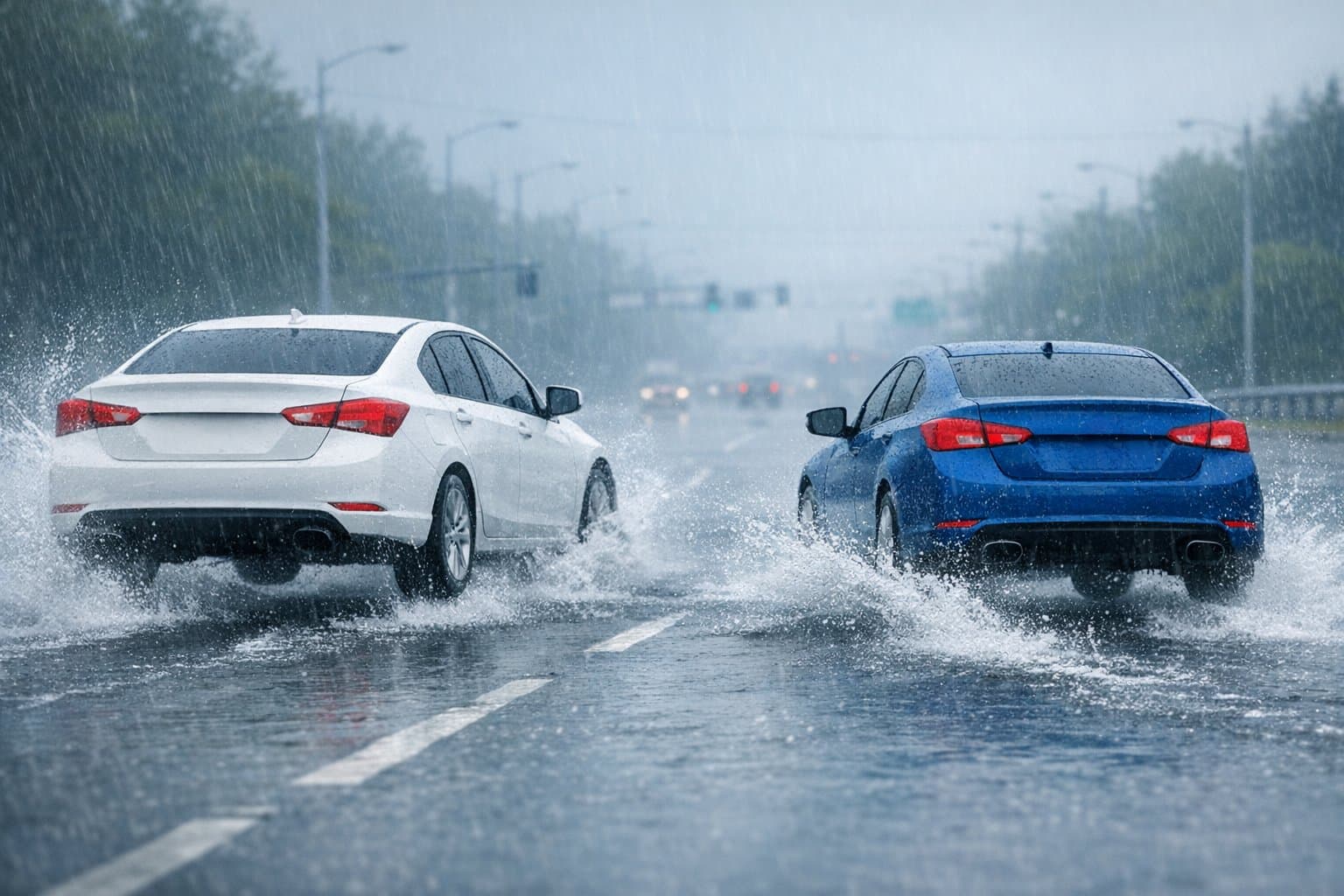
The daily commute is an intricate dance of physics, civil engineering, and human psychology. For the modern driver, the safety-conscious parent, and the neighborhood watch advocate, the roadway represents a vital artery of daily life, yet it remains fraught with hidden and overt dangers. When the sky darkens and a torrential downpour obscures the windshield, the sudden sensation of the steering wheel going completely light triggers a primal panic. In an instant, the vehicle disconnects from the asphalt, transitioning the driver from an active operator to a helpless passenger in a two-ton projectile. This terrifying phenomenon, known as hydroplaning, is responsible for hundreds of thousands of accidents annually.
However, while motorists hyper-focus on the uncontrollable forces of severe weather, an equally deadly threat lies quietly in the built environment: the very intersections traversed every day on the way to schools, offices, and grocery stores. Roadways are inherently hazardous, but these risks multiply exponentially when severe weather meets outdated, poorly designed municipal infrastructure. Intersections alone account for roughly one-quarter of all traffic fatalities and one-half of all traffic injuries in the United States. Furthermore, when these collisions occur—whether driven by a loss of traction or a poorly designed crosswalk—a sinister behavioral trend known as the hit-and-run epidemic leaves victims stranded, challenging the limits of traditional law enforcement response.
Addressing these intertwined crises requires a comprehensive, multi-disciplinary understanding of vehicular physics, a critical evaluation of urban road design, and the deployment of modern, community-driven communication technology. This exhaustive report dissects the scientific realities of hydroplaning to dispel dangerous driving myths. It further identifies the ten most dangerous intersection design patterns currently threatening pedestrian and motorist safety, detailing low-cost, high-impact countermeasures that neighborhood advocates can champion. Finally, the analysis explores how innovative driver-to-driver communication platforms are revolutionizing community safety, transforming passive bystanders into an active network of accountability and slashing emergency response times.
The Physics and Reality of Hydroplaning: What Actually Happens?
At its core, hydroplaning—often referred to as aquaplaning in international engineering contexts—is a complete loss of vehicular traction that occurs when a layer of water builds between the tires of a vehicle and the road surface. The result is a total loss of lateral and longitudinal grip, rendering steering, braking, and accelerating entirely ineffective.
The Mechanics of Water Displacement
Automotive tires are engineered with complex tread patterns featuring grooves, sipes, and channels designed to act as miniature aqueducts. The primary function of these patterns on a street tire is not necessarily to grip dry asphalt, but to aggressively expel water. At 50 miles per hour, a single new passenger car tire can disperse nearly eight gallons of water per second. The contact patch—the precise area where the rubber physically meets the tarmac—is roughly the size of an adult's outstretched hand.
When the volume of water on the road exceeds the tire's volumetric capacity to channel it away, the fluid pressure forces a wedge under the leading edge of the tire. The tire is subsequently lifted off the pavement, floating entirely on a micro-layer of fluid. Because liquids do not compress, the water effectively acts as a solid physical barrier between the vehicle and the earth.
Three Distinct Modes of Hydroplaning
Hydroplaning is not a singular event; rather, it manifests in three distinct physical phenomena, each triggered by different environmental variables and road conditions:
- Dynamic Hydroplaning: This is the most common form experienced by everyday commuters. It requires a standing water depth of at least one-tenth of an inch. As vehicle speed increases, the surface tension of the water resists penetration by the tire, forming a hydrodynamic wedge in front of the contact patch. Once this wedge lifts the tire, dynamic hydroplaning can persist even as the vehicle begins to decelerate, making it incredibly difficult to recover from at highway speeds.
- Viscous Hydroplaning: This highly dangerous mode requires only a microscopic film of water—often as little as one-thousandth of an inch. It occurs most frequently during the first ten to fifteen minutes of a light rain shower, when newly fallen precipitation mixes with accumulated road oils, grease, and vehicle exhaust dust to create a highly lubricated, viscous surface. Viscous hydroplaning happens at much lower speeds than dynamic hydroplaning and effectively mimics the sensation of driving on black ice. Drivers often misidentify this as a simple loss of grip, but it is a distinct fluid dynamics failure.
- Reverted Rubber Hydroplaning: Typically occurring during severe emergency braking scenarios, reverted rubber hydroplaning happens when a tire locks up and skids across a wet surface. The intense friction generates enough heat to instantly turn the surface water into high-pressure steam. This steam literally melts (reverts) the tire rubber, creating a tacky seal that traps the high-pressure steam beneath the tire. The vehicle then rides on a cushion of steam, resulting in a prolonged, frictionless skid that leaves distinct, steam-cleaned marks on the pavement.
The Mathematical Threshold of Loss of Control
A widely cited formula originally developed by NASA researcher Albert Horne establishes the baseline speed at which a tire will begin to dynamically hydroplane. The formula dictates that the theoretical hydroplaning speed in miles per hour (mph) is equal to 10.35 multiplied by the square root of the tire's inflation pressure in pounds per square inch (PSI).
For a standard passenger vehicle with tires inflated to 32 PSI, dynamic hydroplaning can theoretically begin at approximately 58 mph. However, this mathematical formula assumes an ideal, theoretical scenario where the water depth entirely exceeds the tire's tread depth capability. In reality, safety experts and the National Highway Traffic Safety Administration (NHTSA) warn that hydroplaning conditions can easily manifest at speeds as low as 35 mph, particularly on roads with poor drainage, deep rutting, or in vehicles operating with worn tires.
| Tire Inflation Pressure (PSI) | Theoretical Minimum Hydroplaning Speed (mph) | Real-World Risk Threshold (mph) |
|---|---|---|
| 25 PSI (Under-inflated) | 51.7 mph | ~30 - 35 mph |
| 30 PSI (Standard) | 56.6 mph | ~35 - 40 mph |
| 35 PSI (Standard) | 61.2 mph | ~40 - 45 mph |
| 40 PSI (Over-inflated) | 65.4 mph | ~45 - 50 mph |
Note: The real-world risk threshold accounts for variations in asphalt porosity, tread wear, and viscous fluid dynamics, demonstrating that drivers should never rely solely on theoretical mathematical limits.
Debunking the Most Dangerous Hydroplaning Myths
Misconceptions regarding wet-weather driving are pervasive. Relying on outdated advice, anecdotal folklore, or a fundamental misunderstanding of modern vehicle technology frequently leads to catastrophic outcomes. To promote genuine community safety, these myths must be systematically dismantled. For a broader, year-round look at bad-weather hazards and extreme conditions like smoke and flooding, see this guide to driving safely in extreme weather and dangerous intersections.
Myth 1: All-Wheel Drive (AWD) Makes a Vehicle Immune to Hydroplaning
A prevailing and highly dangerous belief among tech-savvy drivers and protective parents is that vehicles equipped with all-wheel drive (AWD) or four-wheel drive (4WD) systems are virtually immune to hydroplaning. The reality is starkly different. AWD systems are engineered to optimize the distribution of engine torque to the wheels that currently possess mechanical traction with the ground.
If all four tires are suspended on a hydrodynamic layer of water, the vehicle's drivetrain configuration becomes entirely irrelevant. Zero multiplied by four still equals zero. In fact, AWD vehicles may actually be more susceptible to unpredictable, violent behaviors during a hydroplane event. As traction is lost, the vehicle's computerized differentials may frantically shift power between the front and rear axles in a futile search for grip. This sudden transfer of torque to a floating wheel can exacerbate the slide and cause the vehicle to spin much faster than a standard two-wheel-drive vehicle.
Myth 2: Heavy Vehicles and SUVs Do Not Hydroplane
While it is physically true that a heavier vehicle exerts more downward force and requires slightly more hydrodynamic fluid pressure to lift off the road surface, gross vehicle weight is not the primary preventative factor. The size of the tire's contact patch, the tire's internal air pressure, and the depth of the tread easily override the gross weight of the vehicle.
A 5,000-pound luxury SUV driving on under-inflated, wide, bald tires is at a significantly higher risk of hydroplaning than a 2,500-pound compact commuter car equipped with properly inflated, brand-new rain tires. The assumption of invincibility in heavy trucks and SUVs often leads to overconfident driving in severe weather. When these massive vehicles do inevitably break traction, their extreme kinetic energy results in high-speed, high-mass collisions that cause devastating damage to community infrastructure and other road users.
Myth 3: Cruise Control Causes Unintended Acceleration in the Rain
A widespread internet rumor, often circulated in community forums and chain emails, suggests that if a vehicle hydroplanes while cruise control is engaged, the tires leaving the ground will cause the car to rapidly accelerate and "take off like an airplane". This is a fundamental misunderstanding of automotive computing.
Modern cruise control systems monitor wheel speed. If a vehicle hydroplanes and the drive wheels suddenly lose rolling resistance, they may spin faster for a fraction of a second. The engine's computer quickly detects that the vehicle's speed has exceeded the target setpoint and will automatically reduce the throttle. The cruise control system does not intentionally launch the vehicle.
However, using cruise control in wet conditions remains incredibly dangerous. It physically and mentally disconnects the driver from the tactile feedback of the road. It delays the driver's natural reaction to decelerate when hitting a puddle. By the time the driver recognizes the loss of traction, mentally processes the event, physically moves their foot to the brake pedal, and taps the brakes to disengage the cruise control system, the sudden shift in vehicle balance may throw the car into an irrecoverable spin. Manual control is strictly required in wet weather.
Myth 4: Tread Depth and Pattern Are Secondary to Driving Skill
Some automotive purists argue that the coefficient of friction relies solely on the chemical makeup of the rubber compound, dismissing tread patterns as mere aesthetic marketing. While soft rubber compounds are vital for dry performance, the primary physical function of street tire tread is aggressive water evacuation.
Deep, repeating "V" shaped directional treads are scientifically proven to offer superior resistance to hydroplaning by channeling water outward from the center of the tire, rather than pushing it forward into a wedge. Furthermore, tire tread depth is the single most critical mechanical factor in preventing hydroplaning. A tire with insufficient tread depth acts as a slick racing tire, which is lethal on wet civilian roads.
| Tread Depth Condition | Measurement | Hydroplaning Risk Profile | Wet Road Stopping Capability |
|---|---|---|---|
| Brand New Tire | 10/32" to 11/32" | Very Low | Optimal water evacuation |
| Recommended Minimum | 4/32" (approx. 3.2 mm) | Moderate Risk | Reduced efficiency, but safe |
| Legal Safety Minimum | 2/32" (approx. 1.5 mm) | Extremely High Risk | Severely compromised |
| Bald / Worn Tire | < 2/32" | Inevitable at > 35 mph | Highly dangerous / Prone to sliding |
Note: Safety experts strongly advise replacing tires when they reach 4/32 of an inch, long before they hit the legal minimum of 2/32 of an inch, to maintain a safe margin against viscous and dynamic hydroplaning.
The Expert Guide to Regaining Control in a Hydroplane
When the steering wheel goes unnervingly light and the distinct sound of tire road noise suddenly vanishes, the vehicle has entered a hydroplane. At this precise moment, human biomechanical instincts prompt an immediate, forceful depression of the brake pedal and a sharp, panicked turn of the steering wheel away from the hazard. Both of these instinctual actions are mathematically incorrect and highly dangerous.
Traffic safety experts and advanced dynamic driving instructors mandate a specific, counter-intuitive protocol to regain control and settle the vehicle:
- Suppress the Instinct to Brake: Slamming on the brakes abruptly halts the forward rotation of the tires. A locked, non-rotating tire acts as a rubber snowplow, pushing a wall of water ahead of it and completely destroying any remaining chance of the tread evacuating fluid. Braking while floating guarantees a total loss of directional control.
- Ease Off the Accelerator: Smoothly and gradually lift the right foot from the gas pedal. This initiates a process called natural engine braking. It shifts the dynamic weight of the vehicle forward, pressing the front tires downward and helping the tread cut through the hydrodynamic wedge of water.
- Steer Into the Skid: The steering wheel should be held firmly, but not with a rigid death grip. If the rear of the vehicle begins to slide out to the right, the steering wheel must be gently turned to the right. This essential step ensures that when the tires inevitably slice through the water and regain contact with the pavement, they are pointed in the actual direction of travel. Overcorrecting or jerking the wheel in a panic will result in a violent phenomenon known as "snap-oversteer" the moment traction is restored, immediately spinning the vehicle entirely off the roadway and into oncoming traffic or barriers.
- Wait for Tactile Reconnection: A hydroplaning event typically lasts only one to three seconds. The driver will feel a distinct shudder or a heavy jolt in the steering column as the tires slice through the water layer and forcefully reconnect with the asphalt. Only after this tactile feedback is clearly received should the driver apply light, pumping pressure to the brakes to safely reduce speed. If the vehicle features an Anti-lock Braking System (ABS), steady pressure can be applied, allowing the computer to manage the brake pulsing.
To mitigate these risks before they even occur, motorists are universally advised to practice proactive defensive driving. This includes reducing travel speeds by at least 5 to 10 mph during rainstorms, increasing following distances from the standard two seconds to a minimum of four to five seconds, and actively aligning the vehicle within the tire tracks left by the preceding car, as that vehicle has already performed the heavy lifting of dispersing the standing water. For more science-backed techniques to cut risk when visibility is low and roads are slick, explore this nighttime driving safety guide.
The Built Environment: America’s 10 Most Dangerous Intersection Patterns
While severe weather conditions and vehicle physics dictate the limits of tire traction, the foundational design of the roadway dictates the likelihood of human conflict. Intersections are, without question, the most complex and hazardous points in any municipal transportation network. Annually, roughly one-quarter of all traffic fatalities (exceeding 10,000 deaths) and one-half of all traffic injuries in the United States occur at intersections.
The Federal Highway Administration (FHWA) and the National Association of City Transportation Officials (NACTO) have consistently pointed out that many modern streets are fundamentally "dangerous by design." The mid-20th century saw the rapid expansion of the interstate highway system, which prioritized moving vehicles at maximum speeds over long distances. Tragically, civil engineers applied these same high-speed, wide-lane highway design principles directly into dense urban and suburban environments. This prioritization of vehicle throughput came at the direct expense of safety for pedestrians, cyclists, and the surrounding community.
Based on a comprehensive analysis of federal traffic safety data, localized crash reports, and municipal engineering audits, the following ten intersection design patterns emerge as the most consistently dangerous environments in the country. If you want a broader, human-centered view of how design choices harm people on foot and on bikes, see this analysis of pedestrian and cyclist safety.

1. High-Speed, Unsignalized Rural Crossings
Despite handling significantly lower overall traffic volumes, rural roads account for a massive, disproportionate amount of vehicular fatalities. Over 80 percent of rural intersection deaths occur at unsignalized, stop-controlled crossings. These intersections typically feature a high-speed main artery intersecting with a minor local road. The massive speed differentials mean that any failure to yield, or a slight misjudgment of the gap distance by the stopped driver, results in a catastrophic, high-velocity right-angle (T-bone) collision. The impact forces in these crashes almost always result in severe trauma or death.
2. Skewed Angle Intersections
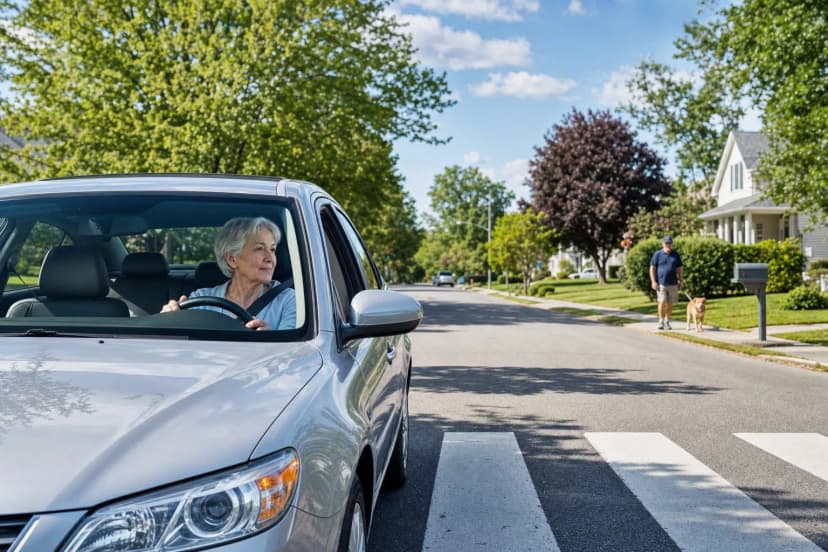
Traditional, safe intersections meet at neat, predictable 90-degree angles. Skewed intersections, however, meet at oblique angles (for example, 60 degrees or 120 degrees) due to topographical challenges or historical property lines. This geometric anomaly dramatically increases the diagonal crossing distance for pedestrians, leaving them exposed in the roadway for longer periods. For drivers, the oblique angle creates severe, unnatural blind spots. It forces motorists to crane their necks deeply over their shoulders to check for oncoming traffic. This pattern is particularly lethal for aging drivers who may suffer from decreased head and neck mobility, leading them to pull out blindly into high-speed traffic.
3. Wide Turning Radii and Slip Lanes
For decades, intersection corners were designed with wide, sweeping, curved radii. The explicit goal was to allow vehicles—particularly large commercial trucks and delivery vans—to execute right turns without significantly reducing their cruising speed. Often accompanied by dedicated "slip lanes" separated by a painted or slightly raised island, this design actively encourages passenger vehicles to roll through pedestrian crosswalks at speeds exceeding 20 to 25 mph. The sweeping turn significantly increases the severity of any pedestrian impacts. Furthermore, the angle forces drivers to look exclusively to their left for oncoming traffic while actively driving to the right, steering their multi-ton vehicles directly into pedestrians legally using the crosswalk.
4. Unprotected Left Turns Across Multiple Lanes
In urban and heavily developed suburban environments, intersections that require drivers to make a left turn across three or more lanes of opposing, high-speed traffic without the aid of a dedicated green-arrow signal are notoriously dangerous. Drivers are cognitively overloaded. They must simultaneously monitor multiple lanes of oncoming traffic for a gap, watch for changing traffic light cycles, and check the destination crosswalk for pedestrians. In major metropolitan areas like Chicago, nearly 40% of all severe pedestrian injuries and fatalities at intersections involve a left-turning motorist who cuts the corner too sharply while trying to beat oncoming traffic. The vehicle's structural "A-pillar" often completely obscures the driver's view of the pedestrian until the moment of impact.
5. "Multiple-Threat" Crosswalks on Multi-Lane Roads
A multiple-threat crash is a specific, highly lethal scenario that occurs at unsignalized crosswalks spanning multiple lanes traveling in the same direction. When a vehicle in the lane closest to the pedestrian stops to legally yield, its bulk creates a massive visual blockade. A driver approaching from the rear in the adjacent left lane cannot see the pedestrian crossing in front of the stopped vehicle, and conversely, the pedestrian cannot see the approaching car. Assuming the stopped car is merely waiting to turn or parallel park, the second vehicle proceeds through the intersection at full speed, resulting in a severe, unbraked pedestrian impact.
6. Poor Daylighting (Obscured Intersection Visibility)
"Daylighting" is an urban design term that refers to the clear line of visibility at the corners of an intersection. Many cities maximize parking revenue by permitting parallel parking right up to the literal edge of the crosswalk. This effectively blinds drivers and pedestrians to one another's presence. A driver attempting to enter the intersection from a side street must inch their vehicle's nose entirely into the active crosswalk just to see past parked SUVs and panel vans. This inherently dangerous design puts vulnerable road users directly in the vehicle's crush zone before the driver can even verify if the intersection is clear.
7. Complex Arterial Transitions (Gateway Zones)
These are transitional zones where high-speed divided highways or rural routes abruptly enter commercial corridors or residential city streets. Without significant physical traffic calming measures, drivers suffering from "speed adaptation" (velocitization) fail to psychologically recognize the environmental shift. Their brains have adapted to traveling at 65 mph, making 45 mph feel agonizingly slow. Consequently, they routinely carry highway speeds deep into pedestrian-heavy retail zones, leading to severe rear-end collisions at newly introduced traffic lights and fatal pedestrian strikes.
8. Mega-Intersections (Multi-Lane Arterial Crossings)
Sprawling intersections where massive six-to-eight-lane suburban arterials cross one another create vast, intimidating expanses of asphalt. These environments require excessively long pedestrian crossing times. Even able-bodied adults must sprint to beat the countdown timer, while vulnerable individuals are frequently left stranded in the middle of the road as the light changes to green for cross traffic. Furthermore, the sheer width of the intersection encourages drivers entering on a yellow light to accelerate heavily to "beat the light" across the vast expanse, resulting in catastrophic, high-speed, multi-vehicle T-bone collisions.
9. Lack of Pedestrian Refuge Islands
Directly related to the dangers of the mega-intersection, the absence of a raised, protected median in the center of a wide roadway forces pedestrians to cross massive distances in a single, unbroken maneuver. For children, the elderly, or those with mobility impairments, the lack of a refuge island guarantees prolonged exposure to moving traffic. When intersections omit this critical piece of infrastructure, they prioritize unimpeded vehicle flow over basic human survival. School zones are especially vulnerable; for a deeper dive into how design, timing, and driver behavior intersect around children, see this guide to protecting kids in school zones.
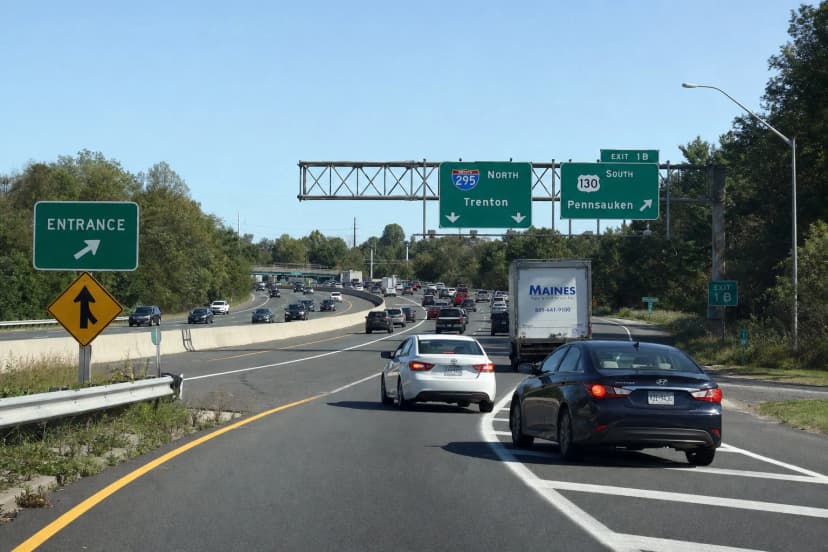
10. Complex Freeway Off-Ramp Terminals
Intersections where high-volume freeway off-ramps merge directly with local surface streets present unique, chaotic dangers. The volatile mixture of rapidly decelerating highway traffic, complex lane assignments, confusing signage, and aggressive jockeying for position leads to immense driver confusion. A prime example is the intersection of Newport Blvd & Victoria St in Costa Mesa, California, which is frequently ranked among the state's absolute most dangerous junctions. The chaotic transition from the SR-55 freeway directly into a dense surface street grid causes endless rear-end collisions, side-swipes, and instances of road rage.
Statistical Snapshot: The Deadliest Intersections in 2025
Recent data analysis aggregating federal and state traffic reports, including the Fatality Analysis Reporting System (FARS), highlights the devastating, localized toll of specific, poorly designed intersections across the country.
| National Rank (2025) | Intersection Location | Fatal Crashes (2025) | Primary Risk Factors / Design Flaws |
|---|---|---|---|
| 1 | Lalor Street & SR-129 (Trenton, NJ) | 7 | Heavy traffic, poor visibility, high-speed arterial transition |
| 2 | Route 7 & Hickory Road (Niskayuna, NY) | 5 | Unsignalized pedestrian danger, multiple-threat crosswalk, lack of refuge islands |
| 3 | Flamingo Rd & S. Decatur Blvd (Las Vegas, NV) | 4 | Severe tourist congestion, massive mega-intersection span, wide turning radii |
| 4 | I-70 & Jennings Station Road (St. Louis, MO) | 3 | Freeway off-ramp complexity, aggressive speed merging issues |
| 5 | US-19 & Gulf-to-Bay Blvd (Clearwater, FL) | 2 | Massive multi-lane crossings, crosswalk dangers, severe red-light violations |
Data sourced from the National Highway Traffic Safety Administration (NHTSA) and regional Department of Transportation audits.
Low-Cost Intersection Fixes Communities Can Advocate For
Historically, fixing a dangerous intersection was viewed as an insurmountable municipal hurdle, involving decade-long planning phases, environmental impact studies, and multi-million dollar concrete reconstruction projects. However, the modern Safe System Approach emphasizes immediate, highly effective, low-cost "quick build" countermeasures.
These strategies utilize high-visibility paint, heavy-duty modular plastics, and intelligent signal reprogramming to physically and psychologically alter driver behavior without waiting for major capital budgets. Neighborhood watch leads, protective parents, and community safety advocates possess tremendous power to lobby city councils and local Departments of Transportation to implement the following cost-effective solutions. For a fuller playbook of how local residents can push for safer design, see this overview of community-led road safety interventions.
1. Intersection Daylighting
The Fix: Daylighting involves restricting vehicle parking within 20 to 30 feet of an intersection corner or crosswalk approach. Instead of pouring expensive new concrete curbs to widen the sidewalk, cities can rapidly implement daylighting using thick painted lines, vibrant striping, and flexible plastic bollards (flex posts) to reclaim the asphalt from parked cars. The Impact: Daylighting instantly removes the blind spots caused by parked SUVs and delivery trucks, ensuring pedestrians and approaching drivers have clear, unobstructed sightlines to make eye contact. The FHWA notes that simple daylighting interventions can reduce pedestrian crashes by an astounding 30%. It is the ultimate low-hanging fruit of urban safety.
2. Left-Turn Traffic Calming (Hardened Centerlines)
The Fix: This involves installing modular, low-profile rubber speed bumps and vertical plastic bollards along the painted centerline of the intersection, specifically targeting and encroaching upon the path of left-turning vehicles. The Impact: This simple, physical barrier prevents drivers from taking a "lazy," sweeping left turn that cuts across the opposing crosswalk at high speeds. It forces the driver to navigate their vehicle much deeper into the intersection center and execute a sharp, deliberate, 90-degree turn at a significantly reduced speed. This geometry drastically improves the driver's ability to spot pedestrians in the crosswalk, effectively neutralizing the A-pillar blind spot.
3. Advance Yield and Stop Lines
The Fix: Painting a thick, highly visible stop bar or a row of yield triangles (often called "shark's teeth") 15 to 30 feet in advance of an uncontrolled crosswalk, accompanied by prominent "Stop Here for Pedestrians" signage. The Impact: This incredibly cheap intervention effectively eliminates the deadly "multiple-threat" crash pattern. By legally obligating the first vehicle to stop significantly farther back from the crosswalk, the sightlines remain completely open for vehicles approaching from the rear in the adjacent lanes. This gives approaching drivers ample time and distance to recognize the crossing pedestrian, realize why the first car is stopped, and brake safely.
4. Leading Pedestrian Intervals (LPIs)
The Fix: This is a purely digital upgrade requiring absolutely zero physical construction or asphalt disruption. Traffic engineers simply reprogram the intersection's signal timing software to give pedestrians a "Walk" signal 3 to 7 seconds before parallel vehicle traffic receives a green light. The Impact: The LPI allows pedestrians to step off the curb and establish a dominant, physical presence directly in the crosswalk before turning vehicles are allowed to move. This simple software tweak guarantees pedestrians are in the driver's direct, central field of vision rather than lingering in peripheral blind spots, reducing vehicle-pedestrian collisions by up to 60% at a negligible cost to the municipality.
5. Mini-Roundabouts
The Fix: Replacing a dangerous, high-speed, stop-controlled intersection with a small, highly visible circular island. Rather than massive earth-moving, mini-roundabouts can be constructed entirely from stamped epoxy, heavy-duty paint, and mountable rubber curbs directly within the existing intersection footprint. The Impact: Mini-roundabouts force all approaching traffic to physically navigate around the center island, reducing vehicle speeds to a highly survivable 15-20 mph. Because traffic flows in a continuous circle, they practically eliminate the geometric possibility of fatal right-angle (T-bone) collisions and left-turn head-on crashes. Because they fit within the existing right-of-way and do not require acquiring new commercial or residential land, they can be deployed for a fraction of the cost of a traditional concrete roundabout (25,000–50,000 compared to millions of dollars).
6. Retroreflective Signal Backplates
The Fix: Adding a highly visible, 3-to-4-inch yellow retroreflective border around the dark rectangular backplates of existing traffic lights. The Impact: This unbelievably cheap and fast modification ensures that traffic signals are highly visible during daytime glare, against bright neon city lights at night, during power outages, and most importantly, during heavy rainstorms that obscure visibility. FHWA data proves this simple reflective border draws the driver's eye effectively enough to reduce total intersection crashes by a proven 15%.
| Low-Cost Countermeasure | Implementation Strategy | Primary Safety Benefit | Estimated Crash Reduction |
|---|---|---|---|
| Intersection Daylighting | Paint & Flex Posts | Removes parked car blind spots | 30% reduction in pedestrian crashes |
| Hardened Centerlines | Rubber Curbs & Bollards | Forces slow, 90-degree left turns | Significantly reduces left-turn pedestrian strikes |
| Advance Yield Lines | Painted Stop Bars (15-30 ft back) | Eliminates multiple-threat visual blockades | Major reduction in multi-lane crosswalk incidents |
| Leading Pedestrian Intervals | Signal Timing Reprogramming | Establishes pedestrian visibility in crosswalk | Up to 60% reduction in vehicle-pedestrian crashes |
| Mini-Roundabouts | Stamped Epoxy & Mountable Curbs | Eliminates high-speed T-bone collision geometry | Vast reduction in fatal/severe injury collisions |
| Retroreflective Backplates | Yellow Reflective Border Tape | Increases traffic signal visibility in poor weather | 15% reduction in total intersection crashes |
The Hit-and-Run Epidemic and the Rise of "Human Media"
Despite dramatic improvements in modern vehicular safety systems and the deployment of intelligent intersection design, a sinister behavioral trend threatens the integrity of American roads: the hit-and-run epidemic. When collisions occur—whether due to a vehicle hydroplaning out of control in a sudden storm or a conflict at a poorly designed, wide-radius intersection—accountability is the foundational cornerstone of both emergency medical response and civil justice. When drivers choose to flee, that foundation crumbles.
The Statistics of Evasion and Institutional Strain
Data released by the AAA Foundation for Traffic Safety reveals a terrifying trajectory regarding driver accountability. In 2023, an astounding 15% of all police-reported motor vehicle crashes involved a driver who actively fled the scene. These hit-and-run incidents resulted in over 240,000 injuries and 2,872 fatalities. The brutal burden of hit-and-run crashes falls disproportionately on the most vulnerable road users; roughly one in four pedestrians and cyclists killed in traffic collisions are the victims of fleeing, unaccountable drivers.
Compounding the tragedy of the initial impact is the abysmally low rate of apprehension. Traditional policing models struggle immensely to close these cases due to a severe lack of immediate forensic evidence, fleeting eyewitness memory in chaotic situations, and a general psychological diffusion of responsibility among bystanders. Studies tracking hit-and-run clearance rates indicate that police successfully solve less than 10% of these crimes nationally. In sprawling urban centers grappling with severe municipal resource shortages, the clearance rate can be horrifyingly low. For example, exhaustive investigations into Chicago’s traffic data revealed that out of 37,226 hit-and-run crashes recorded in a single calendar year, police made only 306 arrests—a clearance rate of a mere 0.8%.
The Crisis of Emergency Response Times
When a driver flees the scene of a severe collision, the critically injured victim is left relying entirely on the chance that passing bystanders will notice the accident, stop safely, and contact 911. Every minute of delay geometrically increases the risk of mortality. A comprehensive longitudinal analysis of the Fatality Analysis Reporting System (FARS) highlights critical, systemic gaps in Emergency Medical Services (EMS) response.
While affluent, dense urban centers manage an average detection and response time of roughly 12 minutes, rural crashes languish with an average response time exceeding 22 minutes. In situations involving severe internal trauma, this delay easily surpasses the "golden hour" of emergency medicine, practically guaranteeing a fatal outcome. Furthermore, response times are highly correlated with socioeconomic status and neighborhood historical demographics. FARS data analysis demonstrates that EMS arrival times are 11.8% faster in higher-income counties compared to the lowest-income areas, highlighting a stark, systemic inequity in post-crash medical care. For people who witness a crash and want to help without putting themselves in danger, this bystander crash response playbook lays out clear, step-by-step actions.
Driver-to-Driver Communication and the Mobilization of the Community
Addressing the twin crises of microscopic hit-and-run clearance rates and lethally lagging emergency response times requires a radical paradigm shift. Traditional "Social Media" platforms, flooded with algorithms designed for endless scrolling and advertising, have largely failed to provide actionable, real-world utility in localized emergency scenarios. Instead, the focus must shift to what is rapidly being categorized as Human Media™—a community-driven, digitally connected ecosystem utilizing technology to generate immediate, life-saving, real-world impact on the streets we share.
The integration of advanced driver-to-driver communication systems stands to radically alter the roadway safety landscape. By utilizing a vehicle's license plate as a unique, secure, and universally visible identifier, modern platforms enable motorists to communicate vital alerts seamlessly. If a tech-savvy driver observes a vehicle operating with broken taillights in a blinding rainstorm, spots an erratic driver exhibiting signs of extreme road rage, or notices a dog left in a dangerously hot car in a retail parking lot, a secure message can be routed directly to the owner using License Plate Messaging. For real-world examples of how license-plate-based alerts and reporting tools are already helping communities push back on chaos, see this overview on how to report dangerous drivers and reclaim your intersection.
More critically, this technology serves as the ultimate countermeasure to the hit-and-run epidemic. Features such as the Vehicle of Interest Search (VOIS™) actively leverage the collective eyes of the entire community. When a critical incident—such as an amber alert abduction, a human trafficking scenario, or a felony hit-and-run—occurs, real-time geolocation alerts mobilize the community instantly. Rather than waiting hours or days for police to pull grainy security camera footage, thousands of connected commuters can flag suspect vehicles in real time.
Bridging the Data Gap to Save Lives
Crowdsourced traffic data has already proven its absolute superiority in speed and detection. Research evaluating crowdsourced reporting applications against traditional Highway Patrol and 911 dispatch data found that civilian-generated crash alerts appeared, on average, 2 minutes and 41 seconds before the first official police report was logged. In some instances, the earliest community alerts preceded official notification by over 4 minutes.

By cutting the detection time by critical minutes, community-driven Driver Alerts allow EMS to dispatch significantly faster, directly bypassing the delays that contribute to high mortality rates in severe collisions. Furthermore, when thousands of commuters are empowered to log and track erratic drivers or fleeing vehicles through secure, privacy-focused, US-based servers, the dark cloak of anonymity that hit-and-run perpetrators desperately rely upon simply evaporates. The integration of driver-to-driver alerts transforms passive, disconnected bystanders into an active, accountable neighborhood watch network operating at highway speeds. Dashcams are a powerful part of this ecosystem too; if you want to configure yours to capture useful, shareable evidence, this guide to using dashcams as “silent witnesses” is a strong next step.
Conclusion: Building a Safer Commute Together
Roadway safety is a profoundly multifaceted discipline, requiring a complex synthesis of individual driver responsibility, intelligent municipal civil engineering, and proactive, technology-driven community engagement. Motorists must fiercely respect the unforgiving physics of driving in heavy rain. This requires meticulously maintaining proper tire tread depth, radically adjusting speeds during wet weather to avoid crossing the hydroplaning threshold, and overriding dangerous human instincts to slam the brakes should a loss of traction occur.
Simultaneously, the burden of public safety cannot rest solely on the shoulders of the individual driver. Communities must aggressively audit their local infrastructure, identifying the high-risk, "dangerous by design" intersection patterns that manufacture fatal outcomes on a daily basis. By boldly advocating for proven, low-cost "quick build" countermeasures—such as intersection daylighting, advance yield lines, and leading pedestrian intervals—neighborhood watch leads, protective parents, and active citizens can drastically alter the physical landscape to protect vulnerable road users. For everyday drivers who want a simple, action-focused checklist they can use right now, this modern driver’s guide to staying safe is a practical companion to everything covered here.
Finally, as traffic volumes continue to swell and traditional enforcement mechanisms struggle under the weight of abysmally low hit-and-run clearance rates and delayed emergency response times, the future of road safety relies heavily on digital connectivity. Embracing the concept of Human Media™ shifts the balance of power back to the community. By utilizing secure license plate messaging and real-world incident reporting, drivers can drastically reduce emergency response times, deter road rage, and ensure absolute accountability on the asphalt. The transition from isolated drivers to a connected community of guardians is not just possible; it is essential. Download the app to stay connected at carszy.com and take an active role in revolutionizing the safety of your neighborhood's streets.