The Modern Roadway Crisis: Highway Breakdowns, Dangerous Intersections, and the Dawn of Connected Community Safety
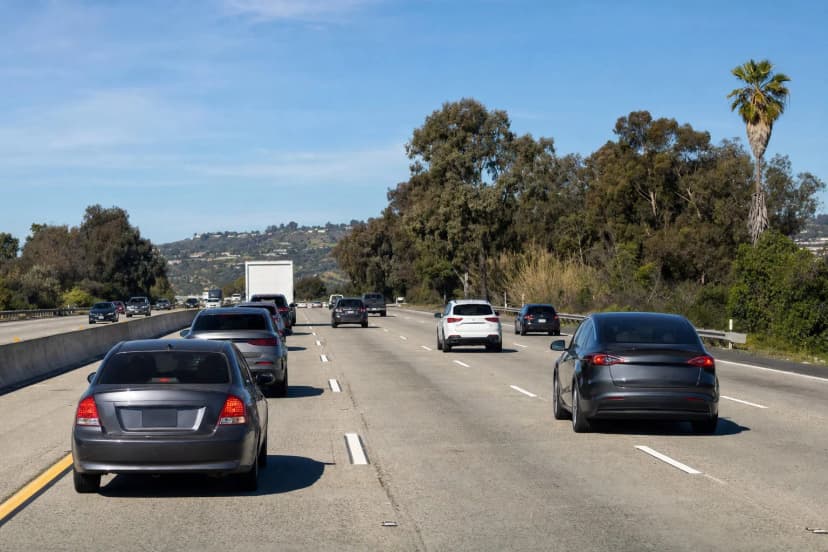
The modern roadway is a complex, high-velocity ecosystem defined by immense kinetic energy, vulnerable human psychology, and aging urban infrastructure. While vehicles themselves have evolved at a staggering pace, fortified with advanced driver assistance systems, sophisticated crumple zones, and autonomous emergency braking, the environment in which they operate remains inherently volatile and unforgiving. A sudden mechanical failure at highway speeds, or the daily navigation of a poorly designed, multi-lane urban intersection, presents profound and immediate risks to everyday drivers, safety-conscious parents, and neighborhood commuters. The margin between a minor vehicular inconvenience and a catastrophic, life-altering event is frequently measured in fractions of a second and mere inches of asphalt.
Historically, the approach to road safety has relied heavily on passive infrastructure and reactive emergency medical services. However, a sweeping paradigm shift is currently underway. The integration of community-driven safety reporting, localized infrastructure advocacy, and revolutionary driver-to-driver communication technologies is fundamentally transforming how communities protect their most vulnerable road users. This comprehensive analysis explores the critical, step-by-step survival protocols for highway breakdowns, deconstructs the architectural flaws that define the nation's most dangerous intersections, highlights the evidence-based, low-cost countermeasures communities can successfully champion, and details the emerging connected technologies that are redefining incident response, personal privacy, and accountability on the road. For a broader look at how community tools and smarter street design fit together, see our overview of community-led tech interventions in road safety.
The Anatomy of a Highway Breakdown: Step-by-Step Survival Protocols
When a vehicle experiences catastrophic mechanical failure—whether stemming from a sudden tire blowout, a severed serpentine belt, a fuel delivery failure, or a total electrical system fault—while traveling at highway speeds, the driver is thrust into a high-stress, rapidly evolving scenario that demands immediate, calculated action. The primary objective of the driver must shift instantaneously from navigation to sheer survival, focusing entirely on vehicle control and visibility.
Immediate Vehicle Control and Strategic Positioning
The initial moments of a mechanical failure are the most critical. Drivers must maintain as much control of the vehicle as possible, fighting the instinct to crank the wheel or slam on the brakes, which can induce an uncontrollable skid or rollover, particularly if a tire has blown or traction is already compromised. Turning on the vehicle's hazard lights right away is the crucial first line of defense, serving as a universal visual cue to trailing motorists that the vehicle is experiencing a problem and is rapidly slowing down.
The driver's immediate goal must be to remove the vehicle from the active lanes of traffic as quickly and safely as possible. Safe positioning means moving completely off the travel lane onto the right shoulder, seeking level ground to prevent the disabled vehicle from rolling, and aligning the vehicle parallel to the roadway to make it easier for a tow truck or roadside assistance to reach you later. In situations where the vehicle loses power in the center or left lanes of a heavily congested, high-speed multi-lane highway, reaching the right shoulder may be physically impossible before momentum is lost. In these extreme, high-jeopardy cases, drivers are strongly advised to stay in their lane with hazard lights on rather than attempting the highly lethal move of crossing active, high-speed traffic lanes on foot. Furthermore, automotive safety experts emphasize that the preservation of human life always comes before the preservation of property; drivers are told to sacrifice a tire or a wheel rim by carefully driving on it if that is what it takes to limp the vehicle onto a secure shoulder.
Enhancing Conspicuity and Environmental Awareness
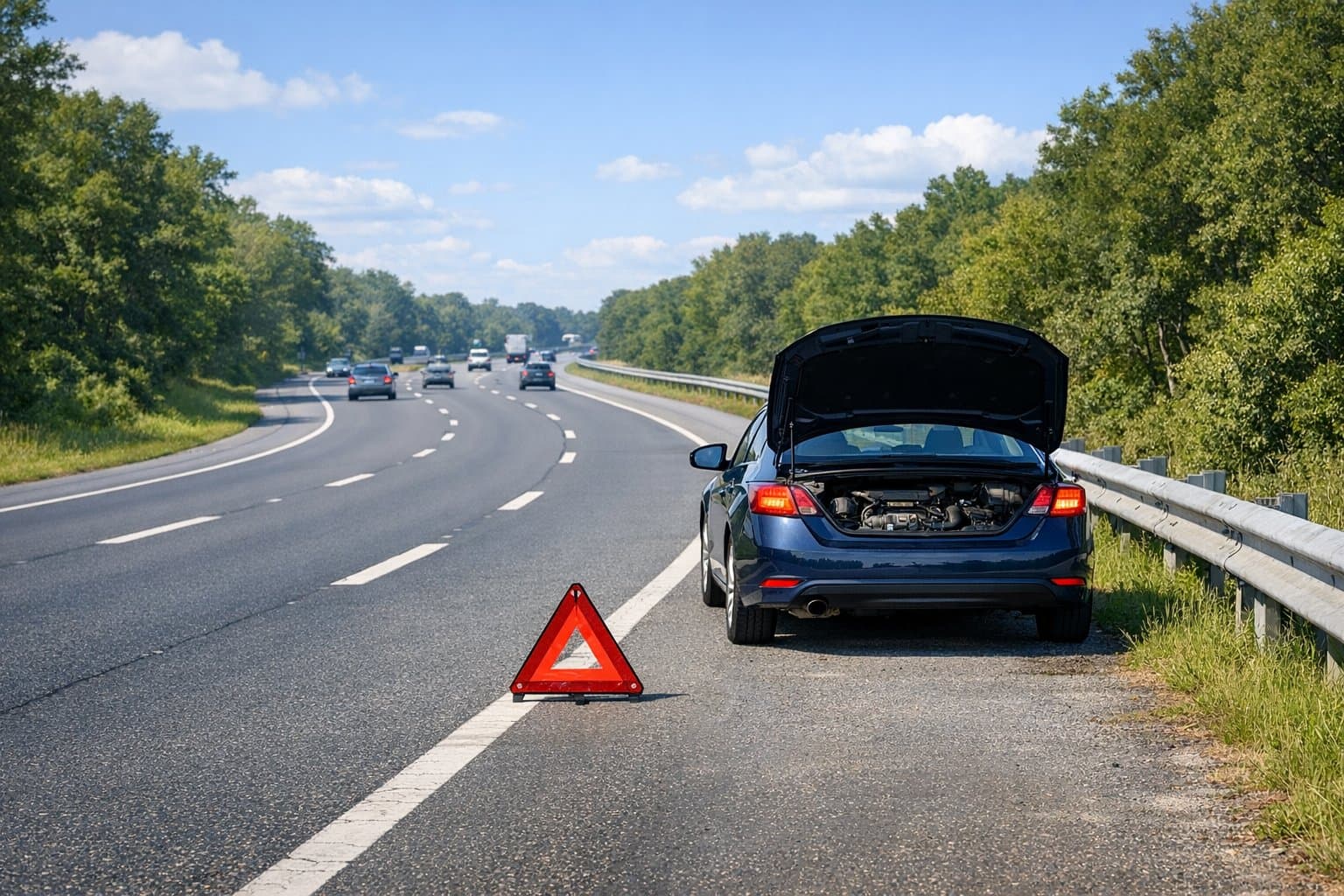
Once the vehicle is stopped on the shoulder, making it highly visible to approaching traffic becomes the top priority. If weather conditions permit and it is safe to briefly crack the driver's side window or open the door slightly during a lull in traffic, popping and raising the hood is a universally recognized signal to passing law enforcement and motorists that the vehicle is disabled and needs help.
The use of reflective triangle warning devices or emergency illuminating flares is highly recommended to create a visual buffer zone, but these safety devices should only be deployed if the driver can exit and re-enter the vehicle without stepping into the path of oncoming traffic. Nighttime breakdowns introduce serious visibility challenges; drivers should pull as far to the right as physically possible, keep interior cabin lights illuminated to signal that people are inside, and rely on hazard lights while they wait for roadside assistance or tow services. If cellular service is unavailable, drivers should attempt to position their vehicle near a designated emergency highway call box, provided one is visible and safely accessible.
The Critical Stay Versus Exit Calculus
Perhaps the most dangerous and debated decision a stranded motorist faces is whether to remain inside the disabled vehicle or to exit and seek refuge elsewhere. The statistical consensus among safety advocates, emergency responders, and personal injury analysts is clear: staying inside the vehicle with your seatbelt securely fastened and all doors locked is usually the safest option. Modern passenger vehicles act like engineered safety cages, equipped with energy-absorbing crumple zones, reinforced steel pillars, and side-impact curtain airbags designed specifically to absorb the force of a collision. A human standing exposed on a highway shoulder has none of these protections and is almost invisible to distracted drivers traveling at 70 miles per hour, especially at night or in bad weather.
However, specific environmental factors and catastrophic vehicle conditions do require an immediate evacuation. If the disabled vehicle presents an imminent, life-threatening hazard—such as smoke pouring from the hood, an active fire, the overwhelming smell of raw fuel, or immersion in water—occupants must exit without hesitation.
When an exit is mandatory because of these extreme situations, everyone should exit from the passenger side of the vehicle, stepping away from the active flow of highway traffic. A critical safety threshold dictates that people should move a minimum of 40 feet away from the disabled vehicle, positioning themselves well behind a protective guardrail or concrete barrier if one is nearby. This 40-foot distance is meant to keep former occupants out of the immediate, deadly debris field if the disabled vehicle is struck at speed by an inattentive passing motorist.
The Cascading Threat: The Mechanics of Secondary Crashes
The extreme urgency of clearing a disabled vehicle from the roadway is underscored by the severe, compounding risk of secondary crashes. The Model Minimum Uniform Crash Criteria (MMUCC) officially defines a secondary crash as a motor vehicle traffic crash that occurs within the immediate scene of a prior traffic incident or within the resulting traffic queue in either direction of travel. Secondary crashes represent a massive failure of traffic flow and are exceptionally lethal, as they often involve high-speed vehicles slamming into the rear of stationary or heavily braked traffic queues. Many of the same patterns also show up at dangerous intersections and during extreme weather, where sudden slowdowns and poor visibility collide.
Statistical Probabilities and Shockwave Dynamics
Extensive research into highway incident data reveals that secondary crashes account for approximately one in every ten total collisions, meaning 10% of all vehicle crashes are the direct result of a preceding incident or disabled vehicle on the roadway. Even worse, 6.2% of these secondary crashes trigger tertiary crashes, creating chain-reaction pileups that can completely shut down a highway.
The physical mechanics of secondary crashes are driven by kinetic "shockwaves" in traffic flow—sudden, violent ripples of hard braking that travel backward through a line of approaching vehicles faster than human reaction times can handle. Connected Vehicle (CV) trajectory data analyzed across a diverse mix of interstate locations used deceleration rates to estimate these dangers. Trajectory waypoints indicating deceleration rates greater than or equal to 0.25 g were classified as hard braking events.
The analysis is sobering: it is about 62 times more likely that a driver will experience a severe hard braking event when approaching queued traffic linked to a primary crash or breakdown, compared with driving in normal, free-flowing conditions. In one focused study looking at 47 primary crashes, researchers documented 762 hard braking events in the wake of those incidents, creating a minefield of potential collisions for other drivers.
The Temporal Risk Factor
The risk of a secondary crash is not static; it changes by the minute and escalates the longer a disabled vehicle or crash scene remains in place.
| Secondary Crash Dynamics | Statistical Probability / Measure |
|---|---|
| Overall Frequency | 1 in 10 Total Crashes (10%) |
| Tertiary Crash Escalation | 6.2% of Secondary Crashes |
| Hard Braking Likelihood | 62x Higher than Free-Flow Traffic |
| Temporal Escalation Rate | +2.8% increased risk per minute |
| Occurrence Timeline | ~50% occur within 20 minutes of primary incident |
Table 1: The statistical probabilities and temporal dynamics of secondary highway crashes.
The likelihood of a secondary crash increases by an alarming 2.8% for every minute the primary incident remains a hazard on or beside the roadway. This rising risk endangers the stranded driver, nearby motorists, and the emergency responders trying to get to the scene. Roughly half of all secondary crashes occur within a tight 20-minute window immediately after the first breakdown or collision, highlighting how crucial rapid reporting, detection, and clearance really are. If you witness a crash but are unhurt yourself, following a structured bystander response playbook can help you call for help, stay safe, and reduce the chance of being part of a secondary collision.
Even when a disabled vehicle is successfully moved to the far right shoulder and out of the travel lanes, it still creates a serious cognitive hazard. The visual distraction of a flashing vehicle and emergency responders—often called "rubbernecking"—leads to erratic speeds, phantom traffic jams, and unsafe following distances in nearby lanes. This distraction directly contributes to the fact that "struck-by" incidents, where responders are hit by passing vehicles, are the second leading cause of accidental death for law enforcement officers and account for 20% of all on-duty firefighter fatalities each year.
Architectural Flaws: The 10 Most Dangerous Intersection Patterns

While high-speed highway breakdowns represent an acute, unpredictable crisis of pure speed, the urban and suburban intersection represents a daily, grinding crisis of complex geometry, competing user needs, and conflicting traffic movements. Intersections are the focal point of the modern city streetscape, yet they account for nearly 25% of all fatal crashes in the United States.
The Federal Highway Administration (FHWA), alongside organizations like the National Association of City Transportation Officials (NACTO), has studied the structural flaws that turn specific, ordinary-looking intersections into deadly corridors. Identifying a truly "deadly intersection" relies on analyzing the dense clustering of severe, multi-fatality incidents. Nationwide, there are over 15.8 million intersections; however, less than 0.01% (roughly 1,828 locations) experience three or more fatal crashes over a sustained period, proving that specific design and operational patterns—not random bad luck—are to blame. If you walk or bike regularly, you may already feel these risks; our guide on pedestrian and cyclist safety explains how poor visibility and bad geometry combine to create those "they came out of nowhere" moments.
An in-depth analysis of national crash databases, municipal records, and focused local studies in high-density regions like Orange County, California, reveals ten distinct design patterns that make intersections especially dangerous.
1. The High-Speed Transition Zone
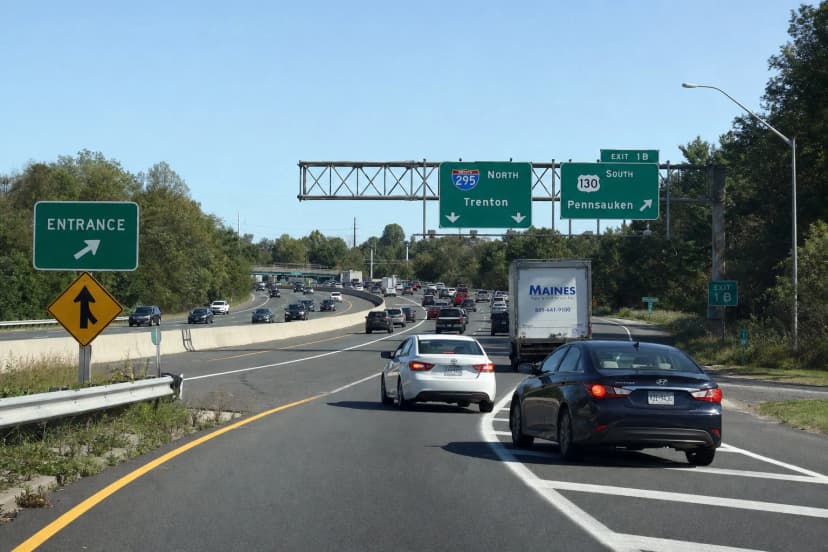
Intersections located where high-speed highways, freeways, or state-owned arterials suddenly end or meet local, signalized surface streets are notoriously deadly. Drivers leaving long stretches of freeway often suffer from "velocitization"—a sensory and mental adjustment to high speeds that makes 45 miles per hour feel painfully slow. When these drivers suddenly meet a traffic signal or a line of stopped local traffic, rear-end crashes and high-speed right-angle crashes spike.
2. Multi-Lane Pedestrian Crossings (The "Multiple Threat")
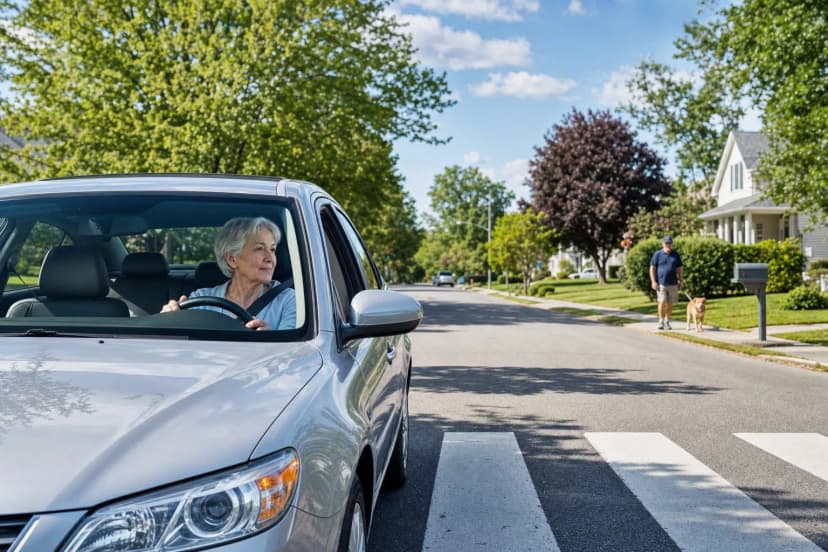
Roadways with three or more lanes of traffic in one direction pose a serious hazard to people trying to cross. Data shows that locations where pedestrians are most often struck and killed share stark traits: 97% of these fatal sites feature three or more lanes, and 70% force people to cross five or more total lanes to reach the other side. This layout creates a deadly "multiple threat" situation. In this pattern, a vehicle in the far right lane may correctly yield to a pedestrian in the crosswalk, but a vehicle in the next lane fails to see that person because the yielding vehicle blocks the view. The result is a high-speed, side-impact strike.
3. Unsignalized Complex Geometry
Intersections without traffic signals—especially where small rural roads intersect wide, high-speed major arterials—force drivers to judge the speed and distance of cross-traffic on their own, with no automated help. Limited sight distance caused by sharp curves, hills, or overgrown vegetation cuts down on the time a driver has to react, increasing the risk of lethal side-impact (T-bone) crashes.
4. Flawed Signal Timing and Short Yellow Cycles
Traffic signals with short or poorly timed yellow intervals fail to account for the physics of the "dilemma zone." The dilemma zone is the stretch of roadway where a driver going the speed limit can neither stop safely before the stop line nor clear the intersection before the light turns red. This design flaw forces drivers into a split-second guessing game, which leads to frequent red-light running and catastrophic crashes. In many cities, simply retiming signals and adding leading pedestrian intervals has helped reduce these conflicts; you can see how this fits into a broader intersection and merge-safety strategy that also tackles road rage and lane wars.
5. Inadequate Daylighting and Poor Visibility
"Daylighting" is an urban design principle that focuses on keeping sightlines at intersection corners clear. Intersections that allow legal street parking right up to the edge of the crosswalk completely block the view between turning drivers and people stepping off the curb. Without a clear view, drivers often have to edge their heavy front bumpers into the crosswalk just to see whether traffic is clear, and in doing so they can strike pedestrians, cyclists, or people using mobility devices.
6. Wide Curb Radii and High-Speed Turns
Intersections engineered with wide, sweeping corners were historically designed to prioritize fast turning movements, especially for large trucks. But these wide turns tempt passenger vehicles to take right-hand turns at dangerous speeds, leaving almost no time to react if someone is still crossing the street.
7. Complex, Confusing Lane Assignments
Junctions with dual or triple left-turn lanes combined with unclear, faded, or contradictory pavement markings overload drivers mentally. The pressure of navigating confusing lane options during rush hour leads to sudden lane changes, sideswipes, and panic braking.
8. The Legacy State-Owned Arterial
Nearly two-thirds of all U.S. traffic deaths occur on state-managed arterials, even though these roads make up only 14% of the entire roadway network. These older highways were built decades ago to move vehicles quickly between towns, but suburban growth has turned many of them into commercial main streets. Their original high-speed design clashes with their current use, where 50 mph through-traffic mixes with frequent turns, driveway access, and people walking or biking.
9. The Lack of Pedestrian Refuge Islands
At huge intersections that span six to eight or more lanes, the signal timing often fails to account for the slower walking speeds of older adults, children, or people with disabilities. Without a raised concrete median or pedestrian refuge island in the middle, these vulnerable users can be left stranded in live traffic if the signal changes before they finish crossing.
10. High-Volume Commercial Nodes
Intersections serving massive retail centers, tourist attractions, or dense commercial districts suffer from constant friction as vehicles enter and exit nearby driveways. When these driveways sit too close to the main intersection, they break up the smooth flow of traffic, creating a tangle of conflict points, sudden stops, and frequent rear-end crashes.
| National Rank | Deadly Intersection Location | Fatal Crashes (2025) | Primary Risk Factors Identified |
|---|---|---|---|
| 1 | Lalor Street & SR-129 (Trenton, NJ) | 7 | Heavy traffic, poor visibility, high speeds |
| 2 | Route 7 & Hickory Road (Niskayuna, NY) | 5 | Extreme pedestrian danger, lack of signals |
| 3 | Roosevelt Boulevard (Philadelphia, PA) | 75+ (Historical) | Multiple lanes, high speeds, massive span |
| 4 | Flamingo Road & S. Decatur Blvd (Las Vegas, NV) | 4 | Heavy tourist congestion, wide lane spans |
| 5 | I-70 & Jennings Station Road (St. Louis, MO) | 3 | High-speed merging and transition issues |
Table 2: Representative sample of the most dangerous intersections in the United States and their defining architectural risk factors.
An intensive analysis of municipal crash statistics from Orange County, California, perfectly illustrates how these design factors stack up to create local danger zones. Between 2010 and 2019, Orange County recorded nearly 60,000 intersection collisions, resulting in 328 deaths. The intersection of Alicia Parkway and Jeronimo Road in Mission Viejo saw 66 crashes and 84 injuries during that time, driven by heavy traffic and complex routing, giving it the highest "Crash Risk Index" in the county.
Interestingly, the Orange County data shows that overall crash volume alone does not predict fatality rates. Cities like Anaheim reported very high overall accident counts (over 6,400 crashes) without a single intersection in the top 50 most dangerous list. In contrast, the city of Fullerton had fewer total crashes but 18 of the top 50 most deadly intersections. This proves that specific, local designs—rather than just traffic volume—determine how deadly a roadway becomes. For drivers who have experienced an intersection near-miss, learning how to document and report those locations is a powerful way to push for fixes before tragedies occur.
| Orange County Jurisdiction | Total Crash Volume Trend | Severe Intersection Risk Concentration |
|---|---|---|
| Anaheim | Highest total volume (6,457) | Zero intersections in Top 50 most dangerous |
| Fullerton | Lower total volume (4,383) | 18 intersections in Top 50 most dangerous |
| Huntington Beach | Moderate volume | 13 intersections in Top 50 most dangerous |
| Mission Viejo | Isolated high volume | Holds #1 most dangerous intersection in county |
Table 3: The disparity between total crash volume and intersection lethality in Orange County, California.
Community Advocacy and Low-Cost Engineering Fixes
The old approach to fixing dangerous intersections relied on massive, multi-million-dollar projects that took years of environmental review, civil engineering work, and often ugly legal fights over property. Today, modern traffic engineering—led by FHWA and NACTO—leans toward a systemic approach that uses highly effective, low-cost countermeasures that city crews can deploy quickly.
Neighborhood watch leaders, school safety advocates, and concerned parents hold enormous, often untapped power to reshape local streets. By coming to city councils with specific, evidence-based requests, they can accelerate change and make daily trips safer for everyone. In Orange County and beyond, communities using the Carszy model described in the OC Road Safety Hub playbook have shown how hyper-local data and organized residents can push these projects from idea to paint on the ground.
Quick-Build Interventions and Tactical Urbanism
"Quick-build" projects are the front line of community safety. These projects use flexible, low-cost materials—like durable paint, high-visibility plastic posts (bollards), and large planters—to reshape intersections in days, not years, and without tearing up asphalt or pouring new concrete.
One of the most effective quick-build tools is the painted corner extension, or bump-out. By visually extending the curb out into the roadway with paint and vertical posts, cities narrow the crossing distance for people walking and force turning vehicles to slow down to make the tighter turn. In Winterville, North Carolina, a smart quick-build project near two schools used just 17 volunteers to paint large bump-outs over a single week. Data from nearly 100,000 vehicles after the project showed a clear drop in high-end speeds and a big increase in drivers yielding to pedestrians.
Daylighting is another almost zero-cost fix that communities can push for immediately. Neighbors can lobby to remove just one or two parking spaces next to a crosswalk, replacing them with bike corrals, planters, or brightly painted barriers. This simple change instantly restores the blocked sightlines between turning drivers and people stepping into the street, cutting down on "I never saw them" crashes.
The Systemic Approach for Stop-Controlled Intersections
For rural and unsignalized suburban intersections, FHWA recommends a systemic bundle of low-cost countermeasures. Instead of waiting for a particular intersection to pile up fatal crashes, agencies can treat dozens of similar locations at once.
Safety advocates can push their local transportation departments to roll out a standard package of upgrades that offers an impressive 12:1 cost-benefit ratio. These upgrades include:
- Doubled-up Oversized Warning Signs: Installing large "Stop Ahead" and "Intersection Ahead" signs on both sides of the road so that even distracted drivers are more likely to notice them.
- Retroreflective Sheeting: Adding highly reflective tape to signposts themselves to boost visibility at night and in bad weather.
- Transverse Rumble Strips: Milling shallow, horizontal grooves into the pavement ahead of a stop sign. These grooves create sound and vibration that jolt distracted, tired, or speeding drivers out of "highway hypnosis." Studies show transverse rumble strips have a Crash Modification Factor (CMF) of 0.72, which means a 28% reduction in certain crash types.
- Enhanced Pavement Markings: Painting the word "STOP" in huge letters directly on the pavement before the stop line, creating a second, hard-to-miss visual cue.
| FHWA Low-Cost Countermeasure | Crash Modification Factor | Expected Crash Reduction | Typical Installation Cost |
|---|---|---|---|
| Transverse Rumble Strips | 0.72 CMF | 28% Reduction | 3,000 to 10,000 |
| "Stop Ahead" Pavement Markings | 0.85 CMF | 15% Reduction | Less than $1,000 |
| Daylighting / Vegetation Removal | Site Specific | Major visibility gain | Less than $1,000 |
| Leading Pedestrian Interval (LPI) | ~0.40 CMF (Pedestrians) | 60% Reduction in vehicle-ped conflicts | Minimal (Software update) |
Table 4: Efficacy and cost analysis of FHWA recommended systemic intersection countermeasures.
Right-Sizing and Intelligent Speed Management
Communities overwhelmed by speeding can advocate for "right-sizing" or "road diets." In a road diet, a wide, dangerous roadway is re-striped to reduce the number of general-purpose travel lanes, often turning a chaotic four-lane undivided road into a calmer three-lane street with a center turn lane and protected bike lanes. In Santa Rosa, California, a right-sizing project near a busy school zone reallocated a vehicle lane for walking and biking, leading to a 17% drop in peak vehicle speeds. In Cincinnati, a similar project aimed at protecting children cost just $15,000 and took two days to build.
Signal retiming is an invisible but incredibly effective safety tool. Communities can push for the use of a Leading Pedestrian Interval (LPI). An LPI changes the signal software so that pedestrians get a 3- to 4-second head start into the crosswalk before parallel traffic gets a green light. This short head start allows people to become clearly visible in the crosswalk, sharply reducing conflicts with turning drivers.
The Golden Minutes: Emergency Response Logistics and Survivability
Whether responders are heading to a high-speed secondary crash on the freeway or a terrible intersection collision, the speed of emergency medical services (EMS) is the ultimate factor in survival. Trauma doctors and paramedics rely on the concept of the "Golden Hour"—the critical window during which serious injuries like internal bleeding, brain trauma, or blocked airways must be treated, ideally in a trauma center, to prevent death.
The Anatomy of the 50-Minute EMS Timeline
National data and large-scale studies show that the average time from a crash to the patient's arrival at a hospital or trauma center is about 50 minutes. That window covers several different stages: the crash itself, recognition of the incident, the 911 call, EMS dispatch, travel time to the scene, on-scene stabilization and any needed extrication, and finally transport to the hospital.
The first stage—incident recognition and notification—is especially vulnerable to human delay. In the chaos after a major crash, victims and witnesses often experience the "bystander effect," assuming someone else has already called 911. Victims may also be trapped and unable to reach a phone. These delays in that very first call can cost lives. Studies estimate that typical EMS arrival times range from about 7 to 14 long minutes after the emergency call is finally placed.
These response times are not evenly spread across the country. Geography and income levels both play a major role. Research shows EMS arrival times are 11.8% faster in high-income counties than in the lowest-income counties, saving nearly 2 critical minutes. Rural and tribal communities also face much longer response times because of longer distances to trauma centers and limited air-medical resources. For families in these areas, knowing how to cut risk during night driving or on isolated roads can make the difference between a near-miss and a life-threatening crash.
The medical benefit of shaving even a few minutes off the response timeline is significant. Survival analyses applied to thousands of crash cases show that speeding up notification and arrival times by just 1 to 2 minutes can reduce fatality rates by 1.5% to 2.0% in the first six hours after a crash.
The Lifesaving Impact of Crowdsourced Traffic Data

The built-in delay in traditional 911 reporting and dispatch is now being challenged by the rise of crowdsourced traffic apps and community safety platforms. Academic studies comparing huge sets of user-generated incident reports to traditional Highway Patrol logs show that connected drivers can dramatically speed up incident awareness.
A major pilot study led by the University of California, Irvine, analyzed 7,776 California Highway Patrol collision reports alongside 406,559 user reports on the Waze platform. The results were striking: user-generated crash alerts appeared, on average, 2 minutes and 41 seconds before the official law enforcement dispatch reports.
| Emergency Notification Method | Average Advantage / Delay | Impact on Survivability |
|---|---|---|
| Traditional 911 Call / Dispatch | Baseline (7-14 min arrival) | Standard Mortality Risk |
| Crowdsourced App Alert (UC Irvine Study) | 2 minutes 41 seconds faster | 1.5% - 2.0% Fatality Reduction |
| Integrated CAD / Waze (North Texas) | 5 minutes faster (40% of time) | Massive acceleration of care |
| High-Income County EMS Response | 11.8% faster (vs Low-Income) | Enhanced survival probability |
Table 5: Comparative analysis of emergency notification methods and EMS response times.
In especially forward-thinking regions like Dallas–Fort Worth, 9-1-1 dispatchers have integrated crowdsourced data directly into their public safety answering systems. They found that about 40% of the time, digital citizen reports arrived nearly five minutes before traditional 911 calls. By feeding this crowdsourced data straight into Computer-Aided Dispatch (CAD) systems or Advanced Traffic Management Systems (ATMS), trauma teams can be alerted sooner, EMS units can be routed around secondary-crash zones, and the overall number of severe secondary crashes can drop. This same mindset underpins Carszy’s use of near-miss and incident reports to build predictive "Sentiment Heatmaps," as described in our deep dive on where near-misses hide on our roads.
Technological Paradigms in Connected Safety: Overcoming the Communication Void
Even though GPS-based reporting and crowdsourced hazard pins greatly reduce dispatch times, they do not fix the immediate communication breakdown that happens every day between human drivers. For decades, road users have relied on an informal, clumsy system of nonverbal signals—brief eye contact, hand waves, flashing headlights, and horn taps—to express intent, negotiate four-way stops, or warn others of danger.
But informal communication is subjective and easy to misread, which leads to tragic misjudgments at intersections, flare-ups of road rage, and botched lane merges. The explosion of smartphone distraction, alongside early autonomous vehicles (which cannot read a hand wave or a nod), has made this informal language even less reliable. To stay calm and protected in these tense moments, it helps to understand the difference between ordinary mistakes and truly dangerous behavior; see our guide to spotting negligence, recklessness, and road rage and how to document it safely.
Automated License Plate Recognition (ALPR) technology has long been used by law enforcement and tolling agencies to track stolen vehicles, issue citations, and manage AMBER alerts. ALPR systems scan plates at extremely high speeds, comparing them against active criminal databases to intercept threats. But the growth of state-run ALPR networks has sparked fierce debates about mass surveillance, the storage of innocent drivers' location data, and serious privacy risks. These municipal systems are top-down and enforcement-focused, limited by where cameras are installed and by tight budgets.
Carszy and the Future of Driver-to-Driver Networking
To solve this communication void without falling into the privacy traps of mass surveillance, new technology platforms are building secure, direct driver-to-driver networks. Platforms like Carszy operate on a simple but powerful idea: using the vehicle's public license plate as a unique, secure digital identifier.
Instead of relying on frantic honking to tell another driver their taillights are out, their rear tire is close to blowing, or that a pet or child seems distressed in a locked car, a bystander can use License Plate Messaging to send a direct, encrypted text or voice alert to the vehicle's owner. When you pair this with modern dashcam tools like the ones explored in our feature on AI-powered dashcams, even a single concerned driver can collect clear evidence and send targeted, private alerts that actually help.
This capability turns the hostile, anonymous highway—where drivers feel sealed off in metal boxes—into a connected, supportive community. During a frightening highway breakdown, it allows stranded motorists to send clear, specific messages (for example, "My engine died, calling a tow, please merge left") to passing community members without ever stepping out of their locked vehicle, directly reducing the risk of secondary crashes and pedestrian strikes.
Privacy, Security, and DPPA Compliance
The power to contact a driver via their license plate naturally raises questions about privacy, tracking, and data security. Unlike malicious actors or shady databases that might try to trace plates illegally, well-designed driver-to-driver platforms stay strictly within the federal Driver's Privacy Protection Act (DPPA).
The DPPA bans unauthorized access to sensitive personal information in motor vehicle records, including Social Security numbers, home addresses, and driver’s license details. Platforms that enable license plate messaging act as secure middlemen; they route messages based on the plate number but never reveal the recipient's phone number, real name, or exact location to the sender. By using secure, US-based servers and end-to-end encrypted routing, these systems ensure that the communication remains focused solely on roadway safety and awareness, preventing doxing, stalking, or harassment.
VOIS™ and the Power of Human Media™
This community-driven approach decentralizes safety. Features like Vehicle of Interest Search (VOIS™) allow everyday drivers to form a wide, real-time safety net. If a child is abducted, a vehicle is involved in a hit-and-run, or human trafficking is suspected, users can generate local, urgent alerts. Suddenly, regular drivers become active search partners, outnumbering law enforcement vehicles and cutting down the critical minutes it takes to locate a vehicle in crisis. For car theft and recovery, the same Human Media™ network that supports VOIS™ also strengthens anti-theft tactics like those described in our analysis of UWB and relay-attack defenses.
This entire ecosystem marks a shift toward what we call "Human Media™"—a move away from passive scrolling, endless outrage, and vanity metrics, and toward practical tools that change real-world safety. By giving people a dedicated, secure channel to report aggressive driving, terrifying road rage, and immediate infrastructure hazards tied to specific vehicles or locations, the community builds a culture of accountability. Peer-to-peer accountability has been shown in behavioral studies to significantly deter reckless behavior, serving as a powerful, everyday backup to traditional police enforcement.
Conclusion
The dynamics of modern road safety are shifting from passive dependence on aging infrastructure and delayed emergency response to an era of active, connected, community-led protection. Surviving a highway breakdown demands clear, practiced safety habits—maximizing visibility, positioning your vehicle wisely, and resisting the urge to step into fast-moving traffic—because the risk of lethal secondary crashes is far higher than most people realize.
At the same time, tackling the built-in dangers of complex, multi-lane intersections requires persistent, local advocacy for systemic, low-cost engineering fixes. Neighborhood groups and parents can call for painted bump-outs, daylighting, transverse rumble strips, and smarter LPI signal timing to protect people walking and to reduce severe right-angle crashes. In school zones and child-heavy areas, pairing these design fixes with the school-zone strategies in our guide to the 2026 pedestrian safety crisis creates a much stronger shield around kids.
The real future of traffic safety, however, lies in closing the communication gap that keeps drivers isolated. The data is clear: reducing incident notification times by even a few minutes saves lives and prevents chain-reaction tragedies. By embracing crowdsourced reporting and secure, license-plate-based driver-to-driver communication, the driving public is no longer just a crowd of bystanders. Instead, they become an active, coordinated network that can prevent crashes, locate vehicles of interest in real time, and hold one another accountable on the road.
Drivers, neighborhood watch leaders, and safety-focused parents who want to be part of this next generation of roadway safety are encouraged to download the app and join the connected community at carszy.com, taking the first step toward a safer, more communicative, and strongly protected driving experience.