What to Do After a Near-Miss: A 5-Step Safety Checklist and Community Action Guide
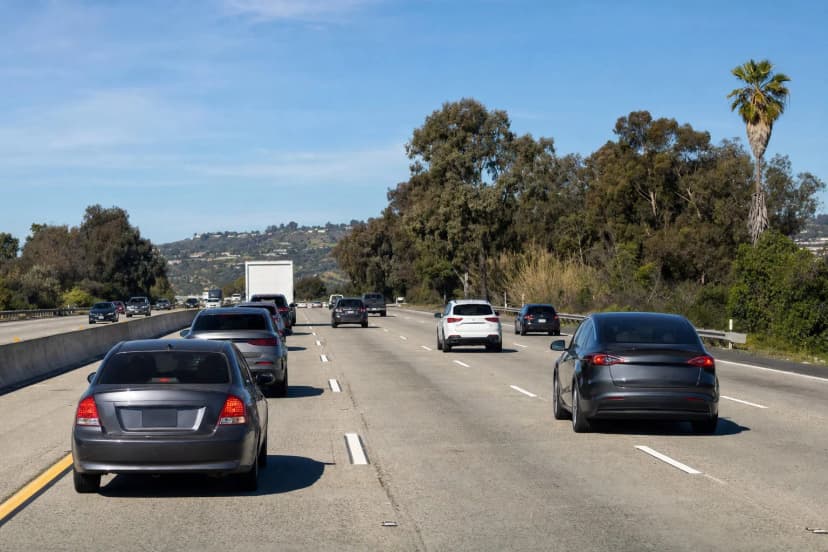
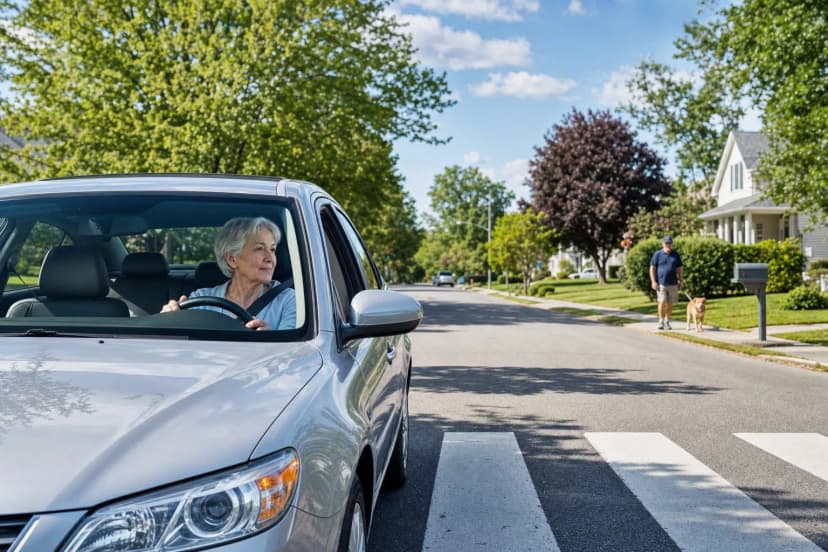
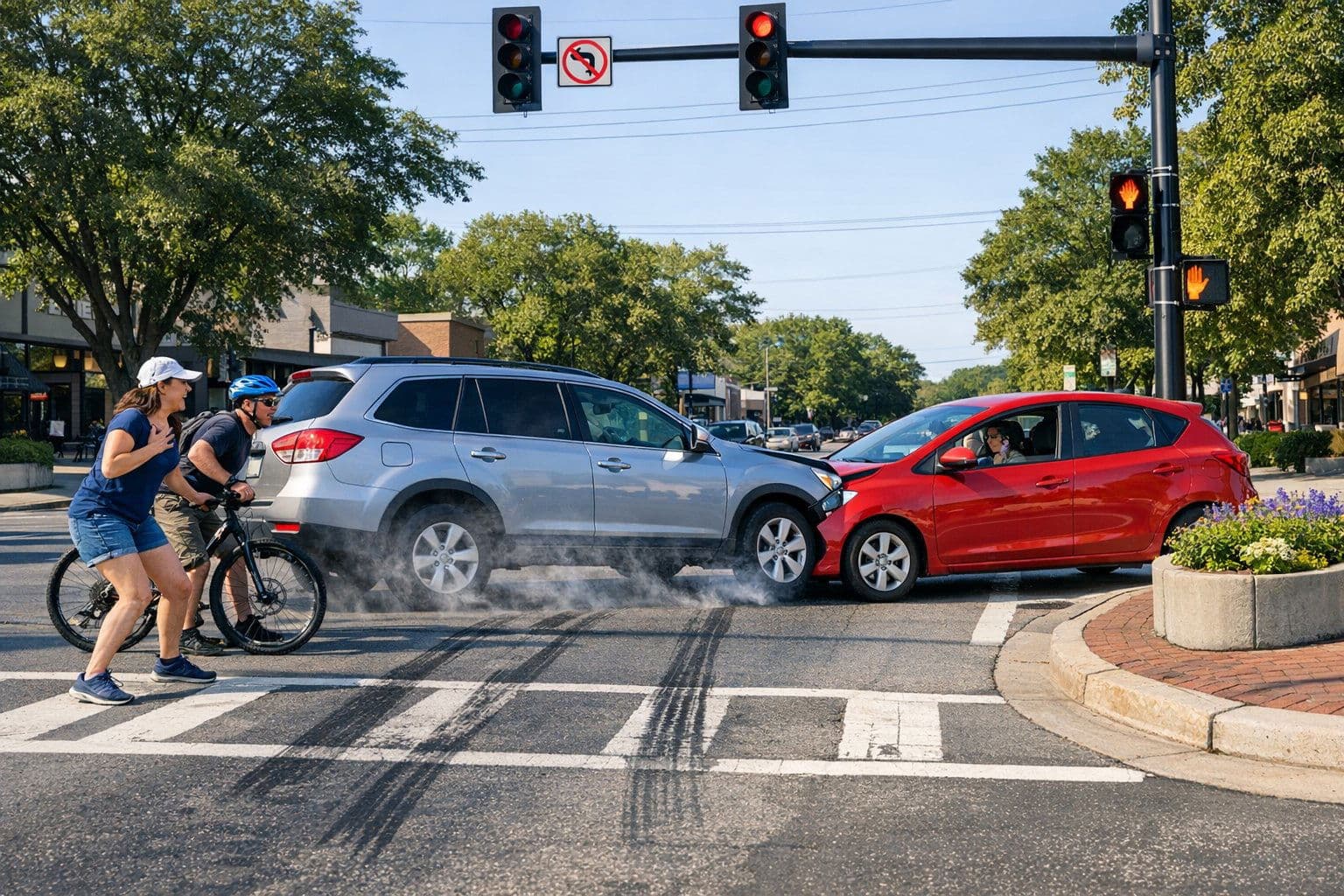
The sudden, violent screech of tires on asphalt. The involuntary locking of your arms against the steering wheel. The breathless, terrifying realization that a devastating collision was narrowly avoided by mere inches. These are the universal, visceral hallmarks of a near-miss traffic incident. For the everyday commuter navigating gridlock, the safety-conscious parent shuttling children to school, or the vigilant neighborhood watch lead monitoring local streets, surviving a near-collision brings an immediate, overwhelming wave of relief. Yet, almost instantaneously, this profound relief is eclipsed by a debilitating physical and psychological shock. The human body is simply not evolutionarily adapted to travel at highway speeds, nor is our nervous system designed to smoothly process the realization that catastrophic injury or death was just a fraction of a second away.
A near-miss is far more than a lucky break or a fleeting moment of anxiety; it is a critical, glaring warning sign. On an individual level, a close call requires immediate mental and physical recalibration to ensure the remainder of the journey is completed safely. Ignoring the adrenaline dump and continuing to drive is a recipe for a secondary, potentially fatal error. On a broader, societal level, recurrent near-misses at specific locations serve as undeniable indicators of systemic infrastructure failures, outdated urban planning, or dangerous gaps in a community’s safety network. Complement this checklist with the deeper story in Almost Collided: Inside the Hidden World of Near-Misses, which explains how everyday driver reports can expose these hidden danger spots.
This comprehensive research report explores the multifaceted reality of near-miss traffic incidents, dissecting the anatomy of these terrifying events from the moment the brakes are slammed to the long-term changes they force upon our daily commutes. It provides a definitive, calm, and actionable five-step checklist for drivers navigating the immediate, chaotic aftermath of a close call. Furthermore, this analysis transitions from individual recovery to systemic prevention. By identifying the ten most dangerous intersection patterns that plague modern roadways and demystifying the low-cost, high-impact infrastructure fixes that communities can champion, we uncover the root causes of traffic violence. Finally, by exploring the revolutionary role of community-driven safety technology—specifically the shift away from toxic "Social Media" toward purpose-driven "Human Media™"—this report equips tech-savvy drivers with the tools necessary to transform passive relief into active, life-saving road safety.

Part 1: The Anatomy of a Near-Miss and Its Severe Psychological Impact
To truly understand why a near-miss is so physically and mentally debilitating, one must examine the acute physiological and psychological responses it triggers within the human body. The impact of a near-miss extends far beyond the split-second moment the vehicles safely pass one another; it reverberates through the central nervous system, alters brain chemistry, and can leave lasting psychological scars that fundamentally alter how a person interacts with the world.
The Immediate Endocrine Response: Fight or Flight Behind the Wheel
In situations where an individual feels suddenly unsafe, distressed, or faced with imminent physical destruction, the human body initiates an involuntary, deeply ingrained “fight or flight” response. This survival mechanism triggers a massive, instantaneous surge of stress hormones into the bloodstream, primarily adrenaline and cortisol. This acute stress response is a natural biological reaction to a sudden and potentially life-threatening event, originally designed to give early humans the energy to flee predators. However, when strapped into the driver’s seat of a modern automobile, this hormonal explosion has no physical outlet, leading to severe physiological distress.
The physical manifestations of this hormonal dump are intense, disorienting, and highly dangerous for anyone attempting to operate heavy machinery. Drivers frequently report experiencing severe jitters, uncontrollable shaking in the extremities, a painful tightness in the chest, and a rapidly racing heartbeat that mimics the symptoms of a cardiac event. Nausea, profound physical sickness, and a powerful, irrational urge to run or physically escape the confines of the vehicle are incredibly common.
Perhaps the most dangerous immediate symptom for a driver who feels pressured to continue their commute is “brain fog”—a profound inability to think straight, process complex spatial information, or react to new stimuli accurately. Furthermore, many individuals experience a dissociative psychological state following a near-miss. They report feeling entirely disconnected from their surroundings, describing the sensation as if they are watching the event unfold on a movie screen rather than experiencing it in their own reality. Attempting to merge back into fast-moving traffic while in this dissociative, adrenaline-soaked state drastically increases the likelihood of causing an actual collision. For anyone who regularly drives after dark, pairing these insights with the practical tips in Night Drive Mastery: 10 Immediate Ways to Cut Risk can help keep your reactions sharp when visibility is already low.
The Lingering Psychological Ramifications and Trauma
While the acute physical shock and shaking may subside within a few hours, the psychological repercussions of a severe near-miss can endure for weeks, months, or even years. Often, the psychological effects of terrifying traffic incidents can be just as damaging and life-altering to the victim as physical injuries sustained in an actual crash. Research indicates that acute, moderately severe emotional distress is incredibly common even in incidents where no major physical trauma occurs.
A near-miss can drastically shake the confidence of a new or inexperienced driver, rendering them overly cautious or paralyzingly nervous on the road. For someone already suffering from general anxiety disorders, a close call on the highway can leave them feeling profoundly vulnerable, entirely out of control, and deeply upset. A near-miss often serves as a powerful psychological trigger, unearthing buried traumatic memories of past car accidents or other violent events.
The clinical data surrounding traffic trauma is staggering. The leading cause of civilian cases of post-traumatic stress disorder (PTSD) in the United States is motor vehicle collisions, and severe near-misses contribute significantly to the psychological burden that drives these statistics. A near-miss can be extremely mentally damaging, leading to a cascade of panic, anxiety, and lingering stress. Survivors of severe near-misses may develop an acute stress syndrome that is clinically characterized by severe mood disturbances and horrific, intrusive memories of the event playing on a loop.
Symptoms of driving-related PTSD and acute stress following a traumatic traffic incident include:
- Intrusive Flashbacks: Vivid, uncontrollable replays of the near-miss, often triggered by hearing squealing tires or seeing a car of the same color.
- Sleep Disturbances: Nightmares specifically about crashing, falling, or losing control, accompanied by a general difficulty falling or staying asleep.
- Phobias and Avoidance Behaviors: The development of specific phobias related to the circumstances of the incident, such as a paralyzing fear of driving through intersections, driving in the rain, or even riding as a passenger in any vehicle.
- Emotional Detachment: A profound detachment from loved ones, general depression, feelings of sadness, mood swings, and a lack of interest in previously enjoyable activities.
- Hyperarousal: Startling easily at loud noises, severe generalized anxiety, and heightened reactivity to everyday stressors.
Furthermore, researchers have found that generalized psychological well-being (PWB) following an incident is heavily influenced by perceived responsibility and subsequent coping mechanisms. Feelings of guilt and shame—such as self-blame for momentarily checking a phone before the near-miss, or “survivor’s guilt” if the evasive maneuver caused another vehicle to swerve—can heavily compound the psychological damage. Interestingly, psychiatric studies note that post-traumatic syndromes are not necessarily associated with a prior neurotic predisposition; rather, they are strongly associated with the horrific memories of the accident itself. Conversely, emotional disorders following an incident are often associated with having pre-accident psychological or social problems.
Understanding these severe, complex psychological mechanisms is absolutely essential for everyday drivers and safety advocates. It validates the immense, paralyzing stress drivers feel after a close call and underscores the vital necessity of taking immediate, deliberate action to reset the mind before re-entering the dangerous flow of modern traffic.
Part 2: What to Do Immediately After a Near-Miss: A 5-Step Safety Checklist
When adrenaline floods the central nervous system, vision tunnels, and hands are shaking violently on the steering wheel, relying on pure instinct alone is incredibly dangerous. Drivers need a structured, memorized, step-by-step protocol to ensure their immediate physical safety, document necessary details for accountability, and regain the mental clarity required to operate a two-ton machine safely.
Step 1: Secure Physical Safety and Assess the Environment
The absolute first priority following a near-miss is removing the vehicle from active, ongoing danger. A near-miss often leaves vehicles positioned awkwardly—stalled in the middle of busy intersections, straddling multiple lanes, or stopped abruptly in fast-moving highway traffic.
- Pull Over Immediately: Do not attempt to continue driving while in a state of shock. Safely navigate the vehicle to the right shoulder, a nearby commercial parking lot, or a designated emergency pull-off area.
- Activate Hazard Lights: Immediately alert other approaching drivers to your stopped vehicle. The longer a vehicle remains stationary in an active travel lane, the exponentially greater the risk of a secondary crash. Secondary crashes are highly prevalent because the environment becomes inherently more dangerous due to sudden traffic congestion and the unpredictable maneuvers of drivers stuck behind the incident.
- Do Not Exit the Vehicle in Traffic: If you are forced to pull over on a busy highway shoulder or a narrow urban street, stepping out of the car exposes you to extreme danger from distracted passersby. Remain seatbelted inside the protective shell of the vehicle until you are certain the surrounding environment is secure.
Step 2: Breathe and Process the Adrenaline
Before attempting to put the car back in gear, make a phone call, or confront another driver, you must manage the acute physiological shock. Operating a vehicle while experiencing adrenaline-induced brain fog, a racing heart, or a dissociative state is functionally equivalent to driving while impaired by drugs or alcohol.
- Acknowledge the Shock: First, verbally recognize that feeling jittery, sick, or disconnected is a perfectly natural biological response to a threat, not a sign of weakness or poor driving ability. Giving yourself permission to feel shaken begins the de-escalation process.
- Employ Tactical Breathing: Use simple breathing techniques such as “box breathing” (inhale deeply for four seconds, hold the breath for four seconds, exhale slowly for four seconds, hold empty for four seconds). This specific rhythm signals to the parasympathetic nervous system that the immediate threat has passed, thereby forcibly slowing the heart rate and halting the continued release of adrenaline.
- Grounding Techniques: If you feel the dissociative “movie screen” feeling, force your brain back to the present reality. Grip the steering wheel tightly and focus on its texture. Feel the pressure of the seat against your back. Name five objects you can see inside the car. This breaks the psychological detachment and restores spatial awareness.
Step 3: Document the Crucial Details
Even if a physical collision did not occur, a near-miss caused by an aggressive, heavily impaired, or wildly reckless driver should be thoroughly documented. If your evasive maneuver resulted in property damage (such as driving over a curb and destroying a tire to avoid a head-on crash), or if the other driver’s erratic behavior poses an ongoing, lethal threat to the public, gathering information is vital. Human memory is notoriously unreliable under extreme stress, so immediate documentation is key. This is also where having an AI-enabled dashcam, like the setups explored in The Future of Dashcams: AI, Community Safety & Human Media™, can capture crucial evidence you might forget.
- The License Plate is Paramount: The license plate is the ultimate, unique identifier of any vehicle on the road. Without it, law enforcement and community safety networks have almost zero actionable evidence to pursue. Try to immediately memorize the plate, speak it aloud to a passenger, dictate it into your phone’s voice assistant, or write it down.
- Vehicle Characteristics: If you miss the plate, focus on the make, model, and color. More importantly, note distinguishing, unique features that cannot be easily changed: a broken passenger taillight, a specific roof rack, custom wheels, or distinct bumper stickers.
- Location and Time: Pinpoint the exact intersection, highway mile marker, or cross-street, along with the precise time of day. This is critical for pulling potential traffic camera footage later.
Step 4: Connect, Report, and Utilize "Human Media"
Once physical safety is assured and the mind is clearer, responsible drivers must consider the safety of the broader community. A driver who nearly caused a catastrophic T-bone collision by blatantly running a red light while staring at their phone will likely continue that exact behavior at the very next intersection.
- Evaluate the Threat Level: If the other driver appears highly intoxicated, excessively aggressive, or is operating a wrong-way vehicle, dial 911 immediately. Emergency medical services (EMS) ideally need to arrive within a “golden window” of 4 to 8 minutes for optimal survival rates in the event that the reckless driver causes an actual crash down the road. Delays beyond 8 minutes significantly increase the risk of fatal outcomes.
- Leverage Community Safety Platforms: This is the critical juncture where tech-forward, everyday drivers are shifting from passive, shaken observers to active community protectors. This shift is powered by the concept of Human Media™—moving away from the vanity of traditional social media and toward platforms that generate real-world safety impacts. Platforms like Carszy empower drivers to use license plates as unique identifiers to connect people safely and securely on the road.
- Accountability Without Confrontation: Historically, warning a dangerous driver involved honking, tailgating, or shouting out a window—behaviors that frequently trigger violent, escalating road rage. Instead, using a platform’s License Plate Messaging feature allows a driver to securely, anonymously, and safely send an alert using just the plate number. Whether it is notifying a well-meaning driver that their headlights are completely off at night, warning them of a dog in a hot car, or utilizing community-driven systems like VOIS™ (Vehicle of Interest Search) to flag a chronically reckless vehicle, this technology mobilizes the community in real-time. It reduces reliance on delayed traditional law enforcement responses and promotes safer roads through localized accountability.
Step 5: The Mental Reset and Post-Incident Reflection
The final step occurs immediately before putting the car back in gear, and continues long after the driver safely arrives home.
- The “Wait to Drive” Rule: Never, under any circumstances, merge back into active traffic if your hands are still visibly shaking or if intrusive thoughts are clouding your visual focus. Wait an extra ten to fifteen minutes. Call a friend or listen to calming music. The minor delay to your commute is an infinitesimally small price to pay for cognitive clarity and physical safety.
- Reflect on the Root Cause: Once safely home, analyze the event objectively. Was the near-miss entirely due to individual driver error (distraction, impairment), or was it a product of a poorly designed, inherently dangerous intersection? If the intersection is a known local hazard with a history of crashes, your near-miss should serve as a powerful catalyst for community advocacy. For inspiration on how communities are doing this at scale, see how Orange County residents rally around hot spots in the OC Road Safety Hub: Community Power Using Carszy App.
Part 3: The Root Causes: The 10 Most Dangerous Intersection Patterns
When severe near-misses and fatal collisions happen repeatedly in the exact same location, individual driver error ceases to be the sole culprit. Federal safety data paints a grim picture: intersections are involved in nearly one-quarter of all traffic fatalities in the United States and close to half of all injury crashes. To truly protect our communities, advocates, parents, and drivers must understand the systemic design flaws that engineers have inadvertently baked into our daily commutes.
An exhaustive analysis of federal crash data, state-level traffic safety studies from organizations like Caltrans and SafeTREC, and municipal infrastructure reports reveals ten distinct, highly dangerous intersection patterns. These design flaws consistently produce high volumes of severe accidents and near-misses by failing to account for human error and physical vulnerabilities. A newer mindset, outlined in 2026 Road Safety Shift: Community-Led Tech Interventions, reframes these patterns as signals communities can act on—rather than “just the way roads are.”
1. The Legacy "StRoad" Phenomenon
A “StRoad” is a highly dangerous, fundamentally flawed hybrid between a street (which is designed to generate wealth, provide safe access to local businesses, and host high volumes of pedestrians) and a road (which is designed strictly for high-speed, efficient travel between distant destinations). This design attempts to do both and fails miserably at each.
Nearly two-thirds of U.S. traffic deaths happen on these state-managed arterials, which make up only 14% of our entire roadway network. These legacy highways were originally built decades ago for fast through-traffic, but as towns expanded, they now serve as deadly, high-speed main streets cutting directly through residential neighborhoods and commercial communities. The combination of vehicle speeds exceeding 45 mph with frequent curb cuts, business driveways, and unprotected pedestrian crosswalks is inherently lethal.
2. Complex Turn Lanes and Misleading Signal Timing
Intersections featuring multiple overlapping turn lanes, incredibly short signal cycles, or faded, unclear lane markings are guaranteed to confuse even the most experienced, attentive drivers. When drivers are subjected to agonizingly long signal cycles on massive suburban grids, they become deeply frustrated. When the light finally turns green, or when a green light goes “stale” (meaning it has been green for a long time and is about to turn yellow), drivers aggressively rush the intersection, gunning their engines to beat the cycle. Side-impact crashes and severe rear-end collisions are the direct, predictable result of this poorly optimized, vehicle-centric timing.
3. Unprotected Left Turns Across Multiple Lanes (The Permissive Left)
Left-turn accidents are among the most severe and fatal intersection collisions. They occur frequently when drivers attempt to beat oncoming traffic or miscalculate the speed and distance of approaching vehicles while making a “permissive” left turn (yielding on a solid green light rather than a protected green arrow).
At wide, multi-lane intersections, making a permissive left turn across three or four lanes of oncoming traffic forces the human brain into cognitive overload. The driver must simultaneously calculate the multiple vectors and speeds of approaching cars, watch for red-light runners, and scan for pedestrians hidden in the crosswalk they are turning into. A misjudged gap in traffic inevitably leads to high-speed T-bone crashes, while a failure to spot a pedestrian results in catastrophic injury.
4. High Traffic Volume Meeting Poor Visibility (Lack of Daylighting)
Intersections that serve massive numbers of daily commuters, heavy commercial trucks, and large delivery vehicles are highly prone to sudden stops and chain-reaction rear-end collisions. This danger is exponentially magnified when high volume is paired with poor visibility. “Blind” corners are frequently caused by overgrown municipal vegetation, poorly placed commercial signage, or a critical lack of intersection “daylighting”. When large vehicles are allowed to park directly up to the edge of an intersection’s crosswalk, they create a visual wall. Drivers are forced to pull their vehicles too far into the active conflict zone just to see if oncoming traffic is clear, frequently resulting in side-impact crashes and pedestrian strikes.
5. Inadequate Kinetic Energy Management
A fundamental, deeply ingrained design flaw in traditional traffic engineering is the failure to properly manage kinetic energy at intersections. The modern Safe System Approach (SSA) dictates that infrastructure must accommodate the physical limits of human tolerance for injury. When intersection designs allow heavy vehicles to cross paths at speeds that mathematically exceed the physical limits of human survivability, Fatal and Serious Injury (FSI) crashes soar. Designs that fail to utilize kinetic energy management models (KEMM)—such as forcing right-angle stops on rural highways without physical speed-calming measures leading up to the conflict point—guarantee that when inevitable human error occurs, the resulting kinetic energy transfer is deadly.
6. The Missing Vulnerable Road User (VRU) Infrastructure
Intersections located near transit stops, sprawling shopping centers, schools, and urban parks naturally see incredibly high pedestrian and cyclist activity. A major systemic flaw in legacy transportation planning is the complete lack of exposure data for these vulnerable road users (VRUs), which prevents planners from developing accurate safety performance functions. Without protected, physically separated bike lanes, raised pedestrian refuge islands in the median, or shortened crossing distances, pedestrians and cyclists face a catastrophic risk due to their complete lack of physical protection against two-ton vehicles. In public safety surveys across California, “Cars going too fast” and “Cars not stopping” are consistently reported by over 57% of respondents as the top safety problems experienced by pedestrians and bicyclists.
7. Outdated and Dangerous Speed-Setting Practices
Historically, municipalities and Departments of Transportation have set speed limits based on “existing driver behavior,” typically adopting the 85th percentile speed rule (setting the legal limit at the speed at or below which 85% of drivers travel in free-flowing conditions). This archaic practice essentially allows the fastest, most aggressive majority of drivers to dictate the legal speed limit, prioritizing rapid vehicle throughput over human safety and fundamentally degrading the safety of the entire corridor. Consequently, even when approaching a highly complex, multi-modal intersection, the posted legal speed is often physically too high for a driver to react to a sudden hazard, such as a child chasing a ball into a crosswalk.
8. Topographical and Geometry Risks (The Winding Approach)
Intersection geometry and local topography play massive, often overlooked roles in crash frequency. Winding approach roads with steep downhill grades leading directly into intersections hide queuing traffic from approaching drivers until it is too late to brake. For example, canyon roads in Southern California, such as the infamous Santiago Canyon Road (“Road of Death”), Laguna Canyon Road, and the Ortega Highway, present severe, unique dangers. These winding routes dump fast-moving, “blinded” vehicles directly into intersection conflict points or sharp curves, resulting in horrific motorcycle and vehicle crashes due to drivers traveling too fast for the obscured topographical conditions.
9. The Narrow Median Crossover
Medians serve as vital physical and psychological dividers between opposing flows of high-speed traffic. However, medians that are designed too narrow—specifically those under 46 feet wide without adequate concrete or steel physical barriers—create an incredibly high risk for devastating “crossover collisions”. If a driver swerves violently to avoid a near-miss at the intersection approach, or loses control due to a blown tire, they can easily breach a narrow median and enter the opposite traffic stream. This instantly turns a minor, single-vehicle incident into a catastrophic, high-speed head-on collision.
10. Freeway-to-Surface Street Transition Zones
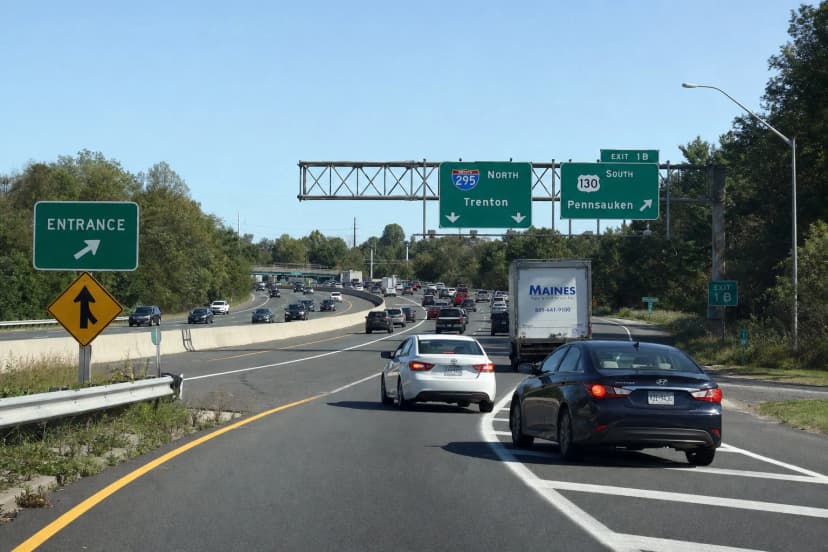
Some of the most inherently dangerous and confusing intersections are located at the terminus of freeway off-ramps. The transition from highway speeds (65+ mph) to surface street speeds (35 mph) requires rapid cognitive adjustment and physical deceleration. Drivers exiting the freeway are often unfamiliar with the complex, localized merge patterns of the surface streets. They make sudden, panicked lane changes to reach a specific turn lane, causing sideswipes and violent rear-end collisions as they drastically misjudge the slower speed of local commuter traffic queued at the intersection lights.
Real-World Data: Mapping the Danger Zones
To truly comprehend how these design flaws manifest in real life, we must look at urban crash statistics. In Phoenix, Arizona, a city characterized by massive, multi-lane grid systems and high arterial speeds, certain intersections dominate the danger list. Data collected by the Maricopa Association of Governments (MAG) highlights the sheer volume of crashes generated by these sprawling intersections.
| Rank | Phoenix, AZ: Top 10 Most Dangerous Intersections (Crash Frequency 2017-2022) | Total Crashes |
|---|---|---|
| 1 | 99th Avenue and Lower Buckeye Road | 411 |
| 2 | 67th Avenue and Indian School Road | 263 |
| 3 | 67th Avenue and McDowell Road | 251 |
| 4 | 75th Avenue and Indian School Road | 249 |
| 5 | 75th Avenue and McDowell Road | 232 |
| 6 | Bell Road and Litchfield Road (Surprise) | 223 |
| 7 | 99th Avenue and McDowell Road (Avondale) | 217 |
| 8 | I-17 and Peoria Avenue | 212 |
| 9 | Baseline Road and I-101 (Tempe) | 211 |
| 10 | 27th Avenue and Camelback Road | 210 |
Data source: Maricopa Association of Governments (MAG) Crash Risk metrics.
Similarly, in Orange County, California, densely populated commercial corridors mixed with heavy, unfamiliar tourist traffic produce staggering accident numbers. The county sees over 12,500 injury crashes and over 223 traffic deaths annually, with specific intersections serving as the epicenters of this violence.
| Rank | Orange County, CA: High-Risk Intersection Corridors & Root Causes | Key Danger Factors |
|---|---|---|
| 1 | Beach Blvd & Ball Rd (Anaheim) | Extremely high traffic volume, complex multiple turn lanes, proximity to dense commercial centers. |
| 2 | Harbor Blvd & Orangethorpe Ave (Fullerton) | Heavy commuter traffic, confusing lane patterns leading to severe T-bone risks. |
| 3 | Newport Blvd & Victoria St / 22nd St (Costa Mesa) | Identified as the most dangerous intersection for pedestrians, resulting in serious injuries and fatalities. |
| 4 | I-5 and I-405 Interchange | Technically a massive freeway merge, generating numerous daily crashes due to complex patterns and sudden lane changes. |
| 5 | Disneyland Resort Area Corridors (Katella Ave & Harbor Blvd) | Heavy freeway congestion mixing with distracted tourist drivers and massive pedestrian crowds. |
Data sources: Local municipal crash reports and legal safety indexes (2024-2025).
Part 4: Empowering Communities: Low-Cost Intersection Fixes
The narrative around traffic safety is finally undergoing a massive, necessary shift. For decades, the default response to a crash was to blame the “nut behind the wheel.” Today, transportation advocates are demanding accountability from the civil engineers and municipal planners who design the roads. The Safe System Approach and the global Vision Zero network operate on a core, fundamental principle: traffic deaths are entirely preventable, and human beings, by their very nature, will inevitably make mistakes. Therefore, the road system itself must be engineered so that those inevitable human errors do not result in severe, life-altering injuries or fatalities.
When neighborhood watch leads, concerned parents, and community advocates identify a highly dangerous intersection pattern in their city, they often feel helpless, assuming that fixing it requires a multi-million-dollar, decade-long infrastructure overhaul. This is a myth. Communities can vigorously and successfully advocate for proven, low-cost safety improvements—often implemented rapidly as “Quick-Builds” and pilot programs—that yield immediate, life-saving results.

Quick-Builds: The Power of Paint, Posts, and Planters
Local city councils and Departments of Transportation frequently cite a lack of budget as the primary reason for inaction on dangerous roads. Quick-build street redesigns completely bypass this bureaucratic obstacle. By utilizing inexpensive, flexible, and semi-permanent materials, cities can immediately alter street geometry, test designs, gather public feedback, and calm traffic in a matter of days rather than years.
- Painted Corner Extensions (Bulb-outs): By simply painting the corners of an intersection and placing flexible plastic posts or heavy, decorative concrete planters in the painted area, the physical crossing distance for a vulnerable pedestrian is drastically shortened. This physical narrowing forces turning cars to significantly slow their speed and drastically improves the driver’s visibility of people waiting to cross. In Winterville, NC, a $15,000 quick-build using painted bulb-outs and flexi-posts near a school led to immediate reductions in high-end speeds and massive improvements in drivers stopping at stop signs.
- Daylighting Intersections: This is a virtually zero-cost fix. Daylighting involves simply removing one or two street parking spaces directly adjacent to the intersection and painting the curb red. This completely removes the visual barrier of parked cars, allowing drivers and pedestrians to see each other clearly long before entering the dangerous conflict zone.
- Neighborhood Traffic Circles (Mini Roundabouts): Replacing a standard, frequently ignored residential four-way stop with a small, landscaped traffic circle using movable planters forces drivers to physically alter their path. A pilot program in Milwaukee placed a temporary traffic circle on a residential street where 18% of drivers were previously exceeding the 25 mph speed limit by over 10 mph. Following the installation, the number of high-end speeders plummeted to less than 1%—an astonishing 95% reduction in dangerous speeding.
Left-Turn Traffic Calming (Centerline Hardening)
As established, permissive left turns are notoriously lethal to pedestrians, accounting for nearly a third of all pedestrian-involved crashes at intersections in 2018. Left-turn traffic calming techniques (often called centerline hardening) are a brilliant, low-cost engineering solution that forces drivers to make slower, wider turns, turning them at a 90-degree angle rather than allowing them to cut diagonally across the intersection. This wider angle drastically increases their peripheral awareness of pedestrians in the crosswalk.
- The Fix: Cities install waist-high vertical delineator posts, small rubber speed bumps, and hardened painted centerlines that extend outward from the median into the intersection. These physical barriers literally block the dangerous, high-speed diagonal path through the intersection.
- The Impact Data: The empirical data on left-turn calming is exceptionally strong. In San Francisco, a pilot program utilizing these treatments across 14 intersections resulted in a 99% “safe turn rate” (defined as turns executed at 15 mph or less), compared to an 84% safe turn rate at untreated control sites. In Washington D.C., the Insurance Institute for Highway Safety (IIHS) studied centerline hardening and found that vehicle-pedestrian conflicts fell by an incredible 71%. In New York City, which has implemented these measures at over 300 intersections, left-turn calming reduced the risk of fatal crashes for pedestrians by 80% and injury crashes by 16%.
- Cost Efficiency: Furthermore, evaluating the specific materials used reveals incredible cost efficiencies. Data from Portland’s left-turn calming evaluations showed that simple rubber bumps were nearly as effective as expensive delineator posts at reducing the 85th percentile turning speeds, but were vastly cheaper to install and maintain, making it an ideal solution for budget-constrained cities. Intersections designed with “noses” extending into the intersection were found to be about 50% more effective at slowing speeds.
Advanced Warning and Pavement Markings for Rural and Suburban Zones
In sprawling suburban and rural areas where high-speed travel lanes meet unexpected stop-controlled intersections, limited sight distance and a failure of driver recognition are the primary causes of fatal crashes.
- Transverse Rumble Strips: Installing grooved rumble strips directly across the travel lane approaching a stop sign provides an undeniable tactile and auditory warning to distracted, speeding, or fatigued drivers. Federal Highway Administration studies demonstrate that this low-cost countermeasure has a Crash Modification Factor (CMF) of 0.72, meaning it effectively and consistently reduces running-stop-sign crashes by a massive 28%.
- “Stop Ahead” Pavement Markings: Painting massive, highly reflective warnings directly on the asphalt before a curve or hill that obscures an upcoming intersection reduces running-stop-sign crashes by roughly 15% (CMF 0.85).
Community advocates armed with this empirical data—demonstrating that a $15,000 quick-build intervention can save a municipality tens of millions of dollars in emergency response, hospitalizations, and crash costs—possess a highly persuasive, nearly irrefutable argument to present to local city councils and state Departments of Transportation.
Part 5: The Role of Technology, "Human Media," and Real-Time Safety
While infrastructure redesign is the ultimate, necessary long-term solution to traffic violence, it cannot solve the immediate, dynamic, and unpredictable threats posed by impaired, aggressive, or hit-and-run drivers currently operating on the road today. Concrete planters cannot stop a drunk driver from fleeing a scene. This is where the intersection of community vigilance and modern, specialized technology becomes absolutely paramount. The everyday driver’s smartphone is no longer just a tool for passive navigation or streaming music; it is rapidly evolving into a vital, highly active node in a localized emergency response and community safety network. Increasingly, these phones also connect to software-defined vehicles that transform into rolling safety sensors, feeding timely data back to the community.
The Emergency Response Delay and the Hit-and-Run Crisis
Managing exactly how long it takes for first responders (police, EMS, fire) to arrive on scene is one of the oldest, most critical challenges in traffic safety and emergency management. The “golden time” for medical intervention—the window where rapid treatment is most effective at preventing death after a severe motor vehicle crash—is roughly 17 minutes. Rapid, specialized response and treatment in severe trauma cases can reduce overall mortality rates by up to 25%.
However, systemic issues routinely plague this response timeline. Heavy urban traffic congestion, jammed roads that trap emergency vehicles, and inaccurate incident detection constantly delay the arrival of emergency medical services. A 2020 study in London found that every extra 1% of traffic congestion increases emergency response times by one full second. Furthermore, 911 calls from panicked drivers or passersby often provide vague, highly inaccurate information regarding the exact location of the incident, forcing first responders to waste precious time hunting for the crash site without the aid of precise sensors. While rural Detection and Response Times (DRT) have improved over the decades from an average of 26.5 minutes down to 22.1 minutes due to better communication technology, urban DRTs have stagnated or slightly worsened, hovering around 12 minutes. Variables such as travel distance, weekend traffic, nighttime lighting conditions, and extreme weather (fog, rain) severely exacerbate these EMS response times.
Simultaneously, the nation is battling a horrific, escalating epidemic of hit-and-run drivers. Hit-and-run crashes contribute heavily to the social and economic burdens of injury crashes, but they severely exacerbate medical outcomes due to the complete, criminal absence of immediate medical aid for the victims. The statistics are chilling. In 2015, a hit-and-run crash occurred somewhere in the U.S. every 43 seconds. In Los Angeles County, the hit-and-run rate is over 50%, with the city experiencing a staggering 20,000 hit-and-run injury accidents annually. In New York City, the police clearance rate for these incidents hovers around a dismal 25%, implying that three out of four hit-and-run drivers successfully evade law enforcement entirely and escape the consequences of their reckless violence.
Hit-and-run accidents are notoriously difficult for police to solve because they require a “perfect mix” of helpful, attentive eyewitnesses, physical forensics left at the scene (like paint transfers or broken car parts), and clear surveillance footage. In an era dominated by high-definition 4K technology, it is an unacceptable reality that most investigations stall indefinitely due to blurred, low-resolution, black-and-white images captured by distant business cameras that completely fail to identify the one piece of data that actually matters: the vehicle’s license plate. Furthermore, in states like California, felony hit-and-run charges are often pleaded down or result in probation, creating a justice crisis where technology must step in to ensure identification and accountability.
The Evolution from "Social Media" to "Human Media"
Historically, citizens turned to traditional social media platforms (like Facebook, Twitter, or local neighborhood apps) to report reckless drivers, seek witnesses for accidents, or warn their neighbors about local hazards. However, traditional social media is fraught with critical, systemic flaws during fast-moving emergencies. It is heavily delayed by engagement-based algorithms, saturated with misinformation and toxic commentary, and critically lacks actionable, real-time geolocation data required for emergency intervention.
The future of community safety lies in transitioning from the algorithmic vanity of “Social Media” to the purpose-driven utility of “Human Media™.” Human Media focuses entirely on real-world impact, leveraging crowdsourced intelligence to protect communities, enforce localized accountability, and bridge the massive, deadly gap left by overextended and under-resourced law enforcement agencies.
Empirical data proves that crowdsourcing traffic safety works exceptionally well. Transportation authorities and researchers have discovered that crowdsourced incident reports (such as those generated by everyday Waze users) have vastly broader coverage and much faster temporal detection than official Police Crash Reports (PCRs). In a study analyzing the I-35 corridor in Texas, researchers found that over 60% of road segments received more crowdsourced reports than police reports. By combining official police data with user-generated crowdsourced reports, safety analysts were able to identify 14 miles of high-risk road segments, compared to only 8 miles identified using police reports alone—proving that the public is highly capable, willing, and faster at identifying emerging hazards in real-time.
License Plates as the Ultimate Network: The Carszy Approach
If a community truly wants to stop a chronically reckless driver, rapidly locate a vehicle involved in a violent hit-and-run, or quickly alert a fellow commuter that their child’s car seat door is unlatched on the highway, they need a dedicated, instantaneous communication network built specifically for the road. This is the exact philosophy underpinning platforms like Carszy.
Carszy represents the absolute forefront of the Human Media movement by operating as a highly secure, driver-to-driver communication and community safety platform. It abandons the bloated profiles, friend requests, and algorithms of standard social media, elegantly utilizing the vehicle’s license plate as the ultimate, unique identifier.
- License Plate Messaging for Immediate Alerts: Instead of engaging in the highly dangerous practice of tailgating another driver and waving wildly out a window to warn them about a flat tire—a behavior that frequently triggers violent, escalating road rage—a user can securely text or call the other driver using just their plate number. This facilitates direct, immensely helpful alerts (e.g., “your taillights are completely off in the rain,” “there is a dog locked in your hot car,” or “your tailgate is open and spilling cargo”) while maintaining complete user privacy on both ends.
- VOIS™ (Vehicle of Interest Search) for Crisis Management: When a hit-and-run, an abduction, or a human trafficking incident occurs, time is the ultimate enemy. The VOIS™ system serves as a rapid, community-driven alert protocol. Rather than waiting days for a grainy security photo to finally hit the evening local news, users can instantly alert the local Carszy network to keep an eye out for a specific vehicle description, make, model, or partial plate fleeing an accident scene. This drastically reduces law enforcement search times, essentially deputizing the surrounding community to act as a massive, distributed, highly intelligent sensor network.
- Privacy-Focused, Real-Time Mobilization: A major, valid concern with any tracking or reporting technology is surveillance overreach and data harvesting. Carszy mitigates this by functioning strictly via user-initiated contact hosted on highly secure, US-based servers. It prioritizes user privacy while ensuring that when a neighborhood watch lead flags a dangerous pattern or a hit-and-run vehicle, the community is mobilized in real-time without compromising individual data security.
By integrating tools like License Plate Lookup, instant Driver Alerts, and advanced Geolocation safety features, tech-forward drivers are no longer just passively navigating the roads; they are actively curating and enforcing a safer driving environment for everyone around them. If an encounter escalates into outright aggression, pairing this network with guidance from Understanding Road Rage, Recklessness, and Insurance Tips can help you document the incident calmly and protect yourself afterward.
Conclusion: From Individual Action to Collective Safety
A near-miss on the road is a jarring, adrenaline-fueled, and often terrifying reminder of the extreme fragility of human life when navigating tons of high-speed steel. For the individual driver, surviving such an event requires immediate, uncompromising adherence to a rigid safety checklist: secure the vehicle out of traffic, manage the severe physiological shock through tactical breathing, document the vital details—specifically prioritizing the license plate—and take the necessary time to achieve a complete mental reset before daring to drive again.
However, the responsibility for safety does not end when the adrenaline finally fades and the driver arrives home. A recurrent near-miss must be viewed as a vital, screaming data point indicating profound systemic flaws in roadway design. By understanding the ten most dangerous intersection patterns—from high-speed StRoads ripping through neighborhoods to unprotected permissive left turns causing cognitive overload—everyday citizens are empowered to demand structural changes. Armed with the undeniable statistical knowledge that low-cost quick-builds, simple rubber speed bumps, and centerline paint can reduce pedestrian fatalities by up to 80%, community advocates possess the exact blueprints needed to force local governments to prioritize human life over vehicular throughput. Stories like those in That Almost Moment: Where Near Misses Hide on Our Roads show how these “close calls” can be transformed into data that fuels those fixes.
Finally, while physical infrastructure evolves at a notoriously slow pace, modern technology allows communities to act and protect each other instantly. The unacceptable, skyrocketing rates of unsolved hit-and-runs and the inherent delays in emergency medical responses highlight the urgent, undeniable need for a connected, vigilant public network. By embracing purpose-driven “Human Media” platforms, drivers can bypass the toxicity and delays of traditional social networks and engage in direct, impactful, life-saving driver-to-driver communication.
Road safety is no longer exclusively the domain of slow-moving city planners, overwhelmed traffic cops, or expensive civil engineers; it is a shared, real-time community responsibility. To become an active participant in this movement, hold reckless drivers accountable, protect your local neighborhoods from traffic violence, and instantly communicate with those sharing the road with you, download the app to stay connected at carszy.com—and, if you witness violent aggression, review Stay Safe on the Road: How to Report Road Rage Effectively so you know exactly how to respond and report it safely.