The OC Playbook: How Orange County is Revolutionizing Community Road Safety
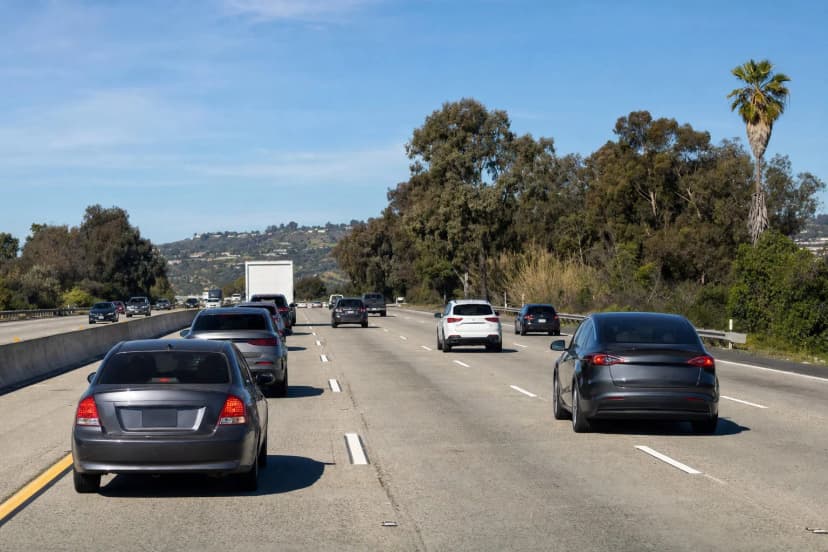
If you live in Orange County, you know that car culture isn't just a hobby—it’s the pulse of the region. From the sprawling Pacific Coast Highway to the dense commuter veins of the 405 and the 5, our lives revolve around the driver’s seat.
But with that dense car culture comes a unique set of challenges: road rage, hit-and-runs, and neighborhood safety concerns. That is why the OC has become the ultimate "launchpad" for a new kind of social reporting ecosystem. We’re moving past the era of screaming into the void of social media and into a world of coordinated, hyper-local community action.
Here is the "Orange County Playbook" for building a safer, more connected road network. You can also see how this fits into a broader community-led road safety shift that’s happening across the country.
1. Orange County: The Ultimate Launchpad
Why start here? Because OC drivers are tech-forward and safety-conscious. Whether it’s a protective parent in Irvine or a commuter in Anaheim, the need for real-time accountability is universal.
By seeding a reporting ecosystem like Carszy in a region where people actually care about their vehicles and their neighbors, we create a high-density network. When enough people in a single zip code have the ability to send a License Plate Message, the "network effect" takes over. Suddenly, a "dog in a hot car" at the Irvine Spectrum isn't a tragedy—it’s a problem solved in sixty seconds by a neighbor with an app.
This is the same kind of connected, software-first thinking that’s turning modern cars into safety hubs. If you’re curious how that plays out on a bigger scale, explore how software-defined vehicles transform road safety in 2026 and beyond.

2. From Cars & Coffee to Compounding Growth
If you want to reach the heart of the car community, you go where the hoods are up. Events like South OC Cars & Coffee aren't just for showing off builds; they are the perfect grounds for Event-Led Growth and turning casual enthusiasts into everyday safety allies.
- The Loop: A driver sees a Carszy decal, learns about VOIS™ (Vehicle of Interest Search), and realizes they can protect their own pride and joy from theft while contributing to safer streets.
- The Result: They join the network, report a hazard on their way home, and the ecosystem grows with every shared alert.
These recurring meets turn enthusiasts into the front-line defenders of our roads. Many of them are already using smart cameras in their cars, and that same mindset is fueling the future of AI-powered dashcams that act like co-pilots, witnesses, and community sensors.
3. The Ambassador Strategy: Local Proof > Paid Ads
Let’s be honest: nobody likes being "sold" to, especially when it comes to safety. We trust our neighbors more than we trust a sponsored Instagram post.
The Ambassador Strategy relies on local social proof. When a Neighborhood Watch lead in Huntington Beach explains how a community-driven alert helped locate a suspicious vehicle near an elementary school, that carries weight.
- Authenticity: It’s about "owners in the wild" showing how the tech works in real OC scenarios, from busy school zones to late-night commutes.
- Impact: Local leaders using Human Media™ to keep their specific streets safe creates a ripple effect that paid advertising simply can't buy. This kind of grassroots, story-driven sharing is exactly how community-led tech interventions are reshaping road safety in 2026.
4. Aligning with Vision Zero and Local Agencies
Safety isn't a solo sport. For a reporting ecosystem to truly thrive, it must align with regional safety operations and initiatives like Vision Zero (the global movement to end traffic fatalities).
By partnering with local agencies, we can bridge the gap between "something feels wrong" and "official action." When your report feeds into a bigger system, your everyday observations suddenly have real weight.
- Reducing Response Times: Community-verified data helps law enforcement narrow down locations faster.
- Proactive Reporting: Instead of waiting for a crash to happen, OC drivers use the app to report dangerous infrastructure or recurring reckless driving, providing agencies with the data they need to make roads safer.
| Feature | Community Benefit | Agency Alignment |
|---|---|---|
| VOIS™ Alerts | Rapidly find missing/stolen cars. | Supports Amber Alerts & Silver Alerts. |
| Hazard Tagging | Prevents accidents before they occur. | Directly supports Vision Zero data goals. |
| Plate Messaging | Reduces minor friction (lights off/open trunk). | Lowers non-emergency 911 call volume. |
When these tools work together, your neighborhood becomes part of a larger, smarter safety grid—not just another dot on a crash map.
5. The Physical-to-Digital Funnel: QR-to-Dashboard
How do we get people from the physical road into a digital safety net? By making the entry point frictionless.
The "QR-to-Dashboard" strategy involves placing unique identifiers on vehicle decals or at community hubs, so anyone can go from curious to connected in a few seconds.
- The Trigger: You see a car with a "Protected by Carszy" sticker or a sign at a local park.
- The Scan: A quick QR scan takes you directly to the dashboard—no searching the App Store required, no hunting through links.
- The Install: Because the context is immediate (e.g., "See a hazard? Report it now"), the conversion from "curious onlooker" to "active safety node" is nearly 10x higher than traditional ads.

This physical-to-digital bridge also supports moments when tensions are high on the road. If you ever witness aggressive driving or feel threatened behind the wheel, you can use Carszy to document what you see—and then follow best practices from guides on how to report road rage safely and effectively to authorities.
Conclusion: Making the OC the Safest Place to Drive
Orange County is more than just a beautiful place to cruise; it’s becoming the blueprint for the future of community-driven safety. By combining the passion of car culture with the power of hyper-local reporting, we are proving that the most effective safety sensor isn't a camera on a pole—it’s the person in the car next to you.
The tools are here. The community is ready. The only question is: are you plugged in yet—and are you willing to turn your everyday drives into a force for good? If you want to see how this model expands beyond OC into wider community networks, take a look at how connected cars and real-time data are already keeping neighborhoods safer.
Ready to help protect the OC?
Your license plate is your ticket to a safer neighborhood. Join the movement that’s turning "Social Media" into Human Media™. Download Carszy at carszy.com and start connecting with your community today, so your everyday drives contribute to a smarter, safer road network.
Frequently Asked Question
Q: If I report a dangerous driver in Orange County using their license plate, does the app automatically call the police for me?
A: Not automatically. Carszy is designed to empower the community first. When you report an incident or use VOIS™, it alerts other users in the area to keep them safe and aware. While our data can significantly help law enforcement—and we prioritize reducing their response times by providing clear, location-based evidence—you should always call 911 directly if you are witnessing an active emergency or a crime in progress. Think of us as the "digital neighborhood watch" that gathers the intelligence needed to make those official reports more effective, much like other community-led safety tools that support, rather than replace, first responders.