Stay up to date with the latest news, safety tips, and community stories from the Carszy network.
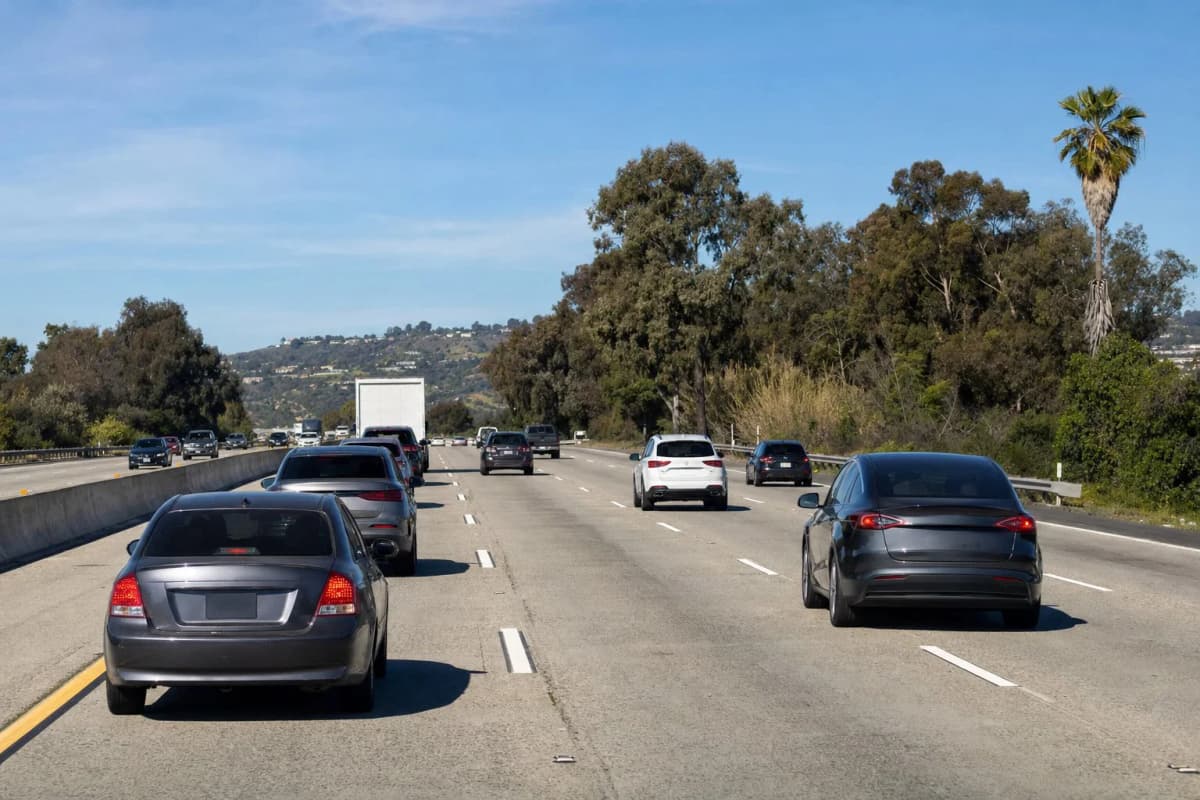
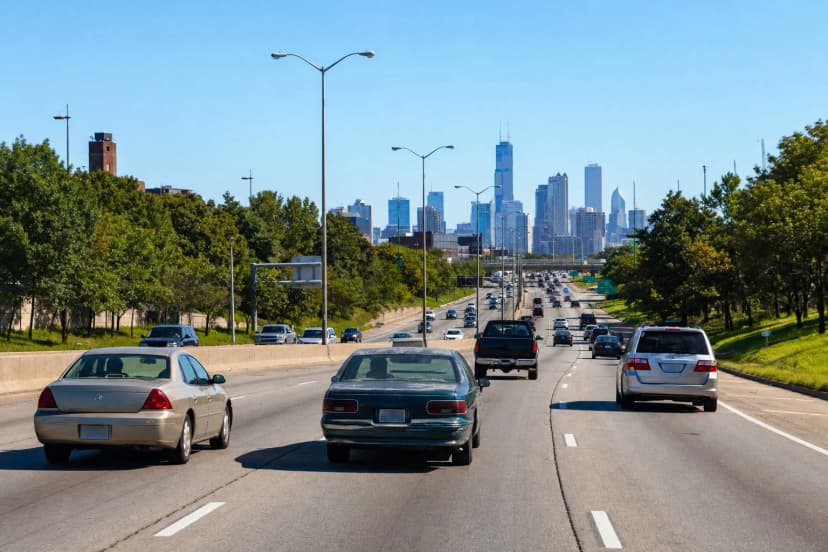
This article explains why 'left-lane camping' is a serious safety and legal problem, covering state lane laws (with California as an example), traffic-flow physics, enforcement and penalties, environmental and economic costs, psychological drivers of road rage, and emerging technology and community tools (like Carszy) that help mitigate risk, plus clear, actionable driving strategies.
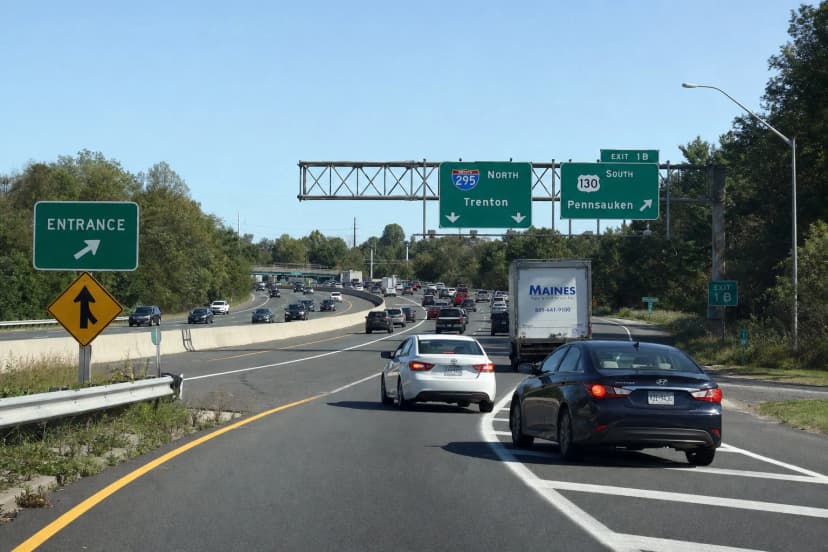
This article explains why short freeway on-ramps provoke high cognitive stress and crash risk, reviews physiological and traffic-engineering evidence, presents national crash data and teen-driver vulnerabilities, and outlines practical driving techniques, infrastructure fixes (ramp metering, auxiliary lanes, zipper merge), legal considerations, and community-facing tech solutions to reduce merges-related harm.
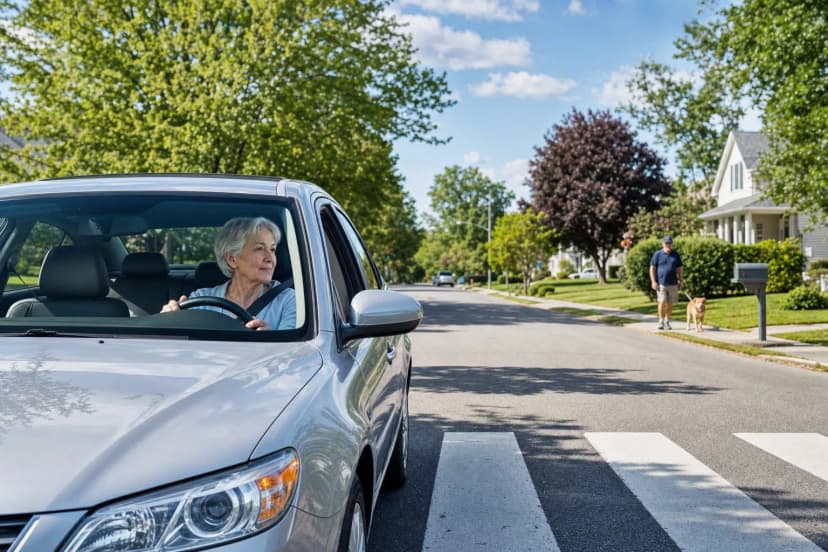
This comprehensive guide explains why senior driving is a growing safety priority, details warning signs of unsafe driving, describes the health harms of abrupt driving cessation, explains ergonomic and ADAS solutions like CarFit, and provides a compassionate, step-by-step framework for the difficult 'keys conversation' while introducing community safety tools such as Carszy.
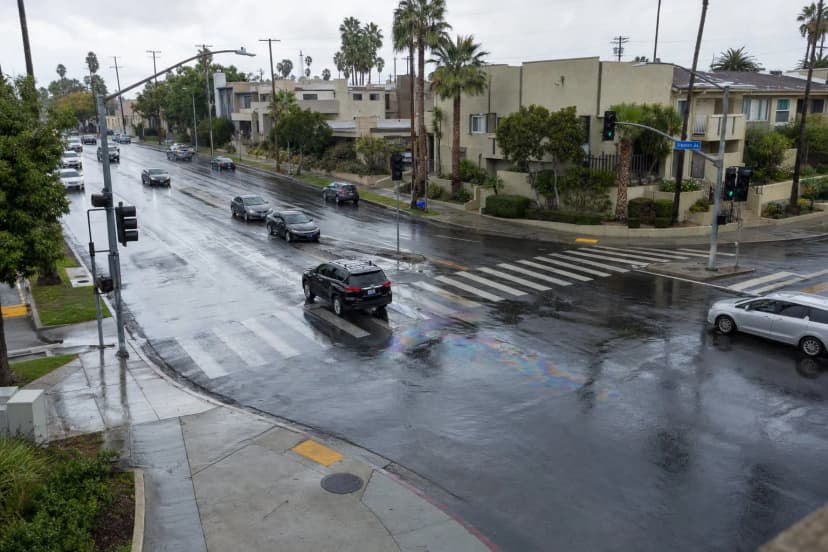
This article explains why roads become unusually slick during the first rain after a long dry spell—detailing the chemical formation of oil–water micro-emulsions on asphalt, the resulting dramatic loss of tire traction, supporting regional crash statistics (including a 570% spike in CHP calls), how modern vehicle systems behave in these conditions, high-risk road zones, and practical driver actions plus community tech solutions like Carszy to reduce risk.
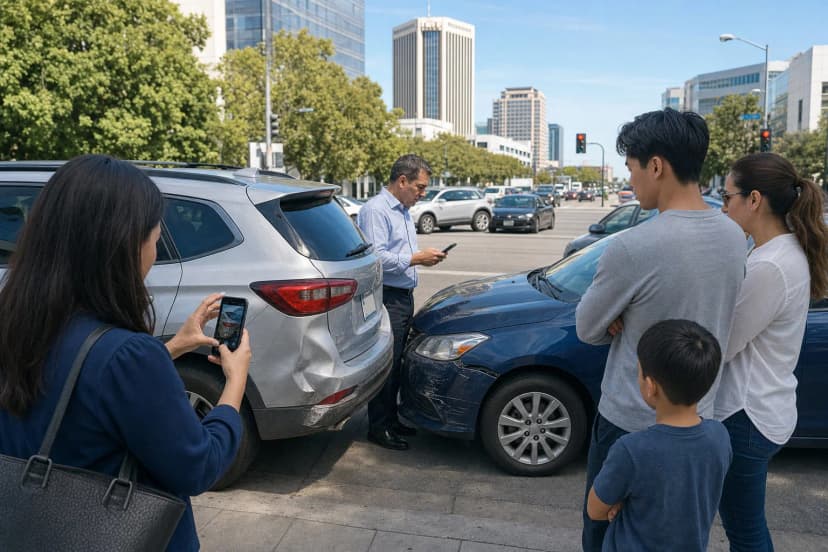
This report examines the rising uninsured motorist problem, the economics and legal dynamics of diminished value (DV) claims—especially the controversial 17c formula—and the rapid adoption of AI photo-based claims adjusting, concluding with practical steps and community tech (license-plate messaging/VOIS™) to reduce financial risk and recover lost equity.
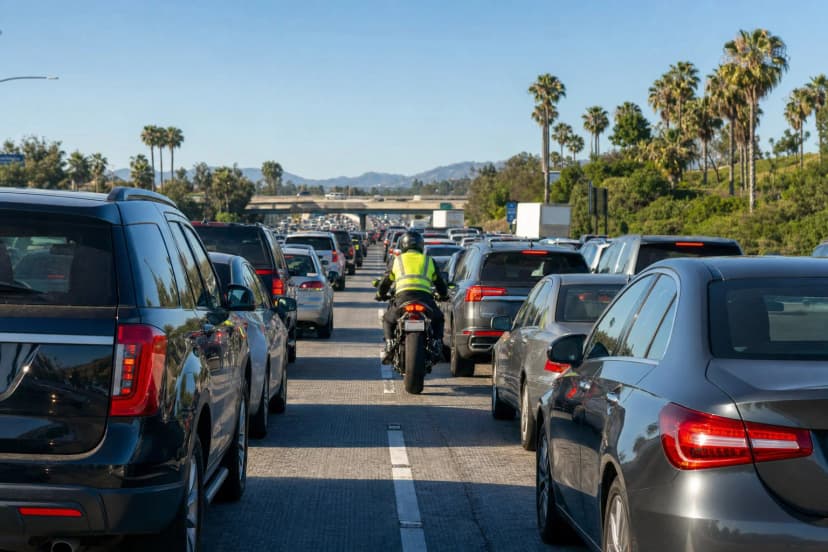
This comprehensive guide explains California lane splitting—its legal history (CVC 21658.1), CHP safety guidelines, empirical safety data from UC Berkeley, technology limitations, the psychology behind driver reactions, and practical, actionable advice for both motorists and motorcyclists to improve freeway safety.
This article explains how rising uninsured motorist rates, undervalued diminished value (DV) settlements, and AI-driven photo claims are reshaping the financial risks of driving, and it outlines practical steps—insurance, documentation, independent appraisals, and community tools—to protect vehicle equity and financial security.
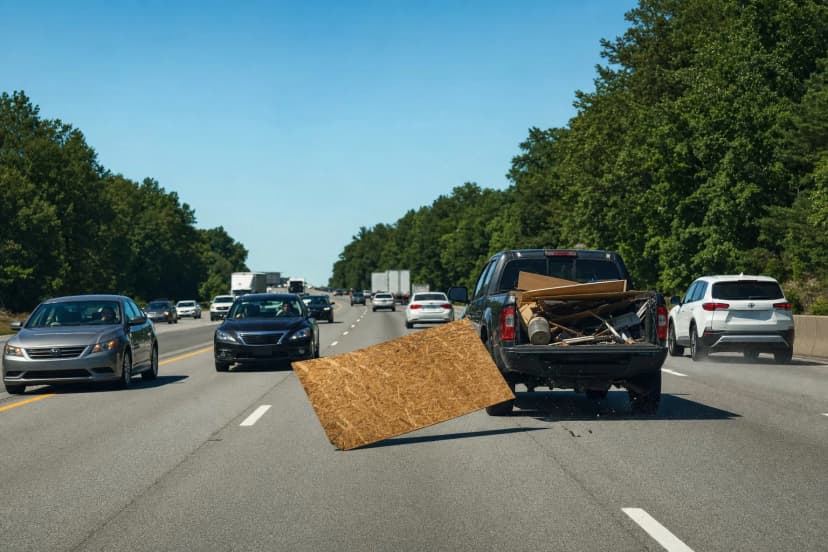
This article analyzes the widespread, preventable danger of road debris and unsecured loads—quantifying crashes, injuries, and economic costs—then explains human reaction limits, cargo-securement physics and regulations, and technology-driven community solutions to stop hazards at their source.
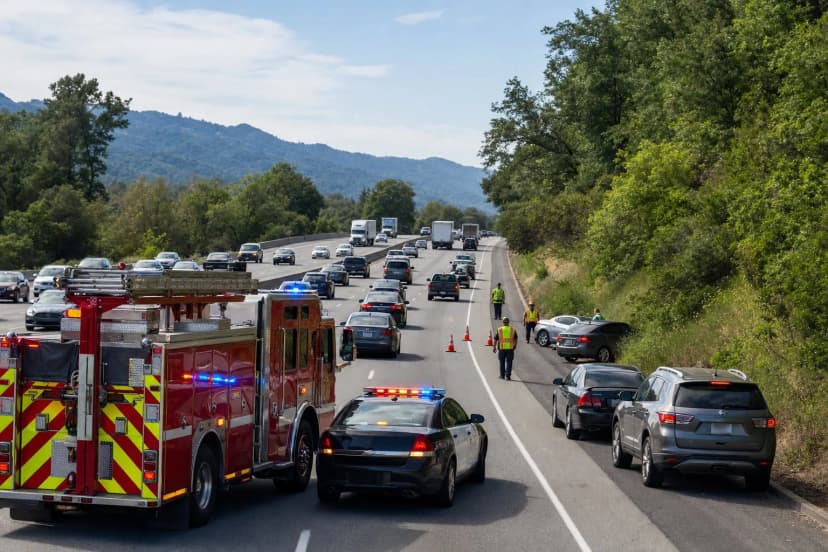
This article explains the legal difference between Move-Over and Failure-to-Yield laws (CVC 21809 and 21806), shows why modern vehicles and human factors cause widespread non-compliance, summarizes financial and safety costs, and outlines technology and practical driver steps (V2X alerts, EVP, and community platforms like Carszy) that reduce collisions and protect emergency and roadside workers.
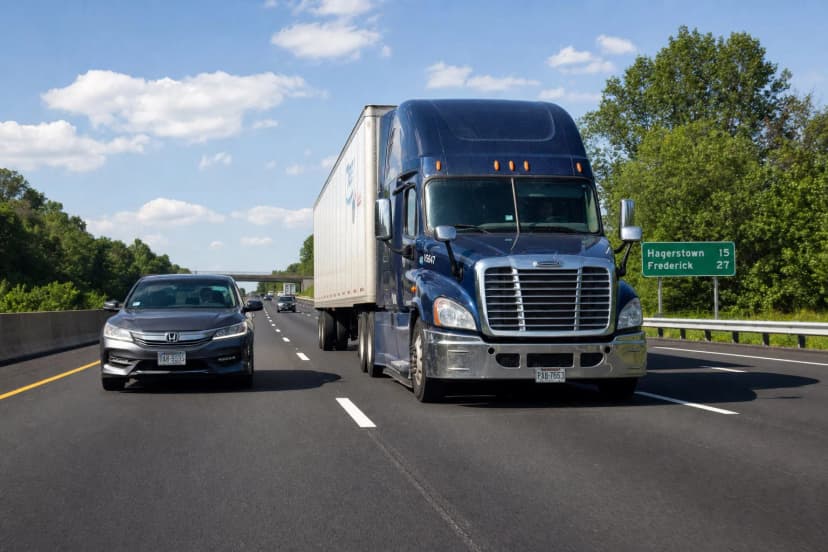
This article explains the physics and real-world risks when passenger vehicles interact with commercial trucks, covering mass disparity, air-brake lag, underride injuries, drafting myths, blind spots (No-Zones), crash data, and practical driving protocols plus technological and regulatory advances that reduce truck-related collisions.