Stay up to date with the latest news, safety tips, and community stories from the Carszy network.
This comprehensive report explains why intersections—especially multi-lane roundabouts and several legacy intersection patterns—are central to U.S. traffic trauma, provides a beginner-friendly, four-phase guide to navigating multi-lane roundabouts, identifies the ten most dangerous intersection patterns, and outlines low-cost, evidence-based countermeasures plus community-driven tech (like license-plate messaging and VOIS) to mobilize real-time accountability and reduce crashes.
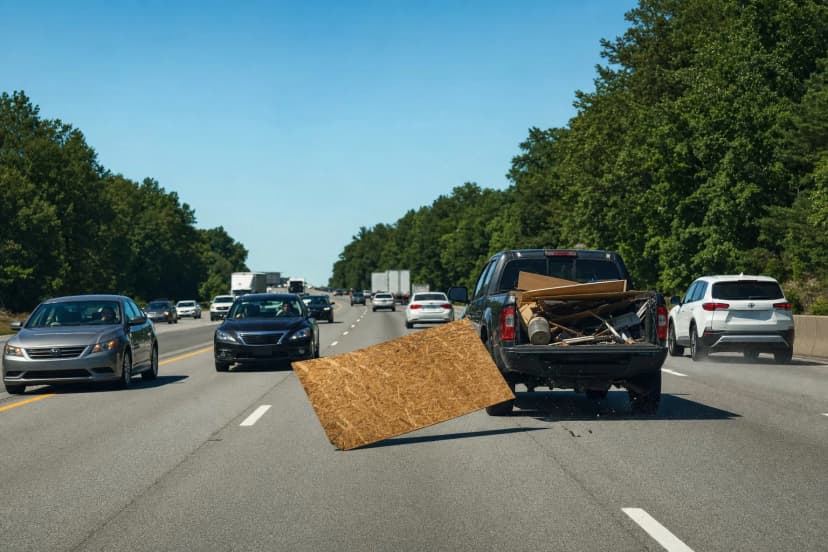
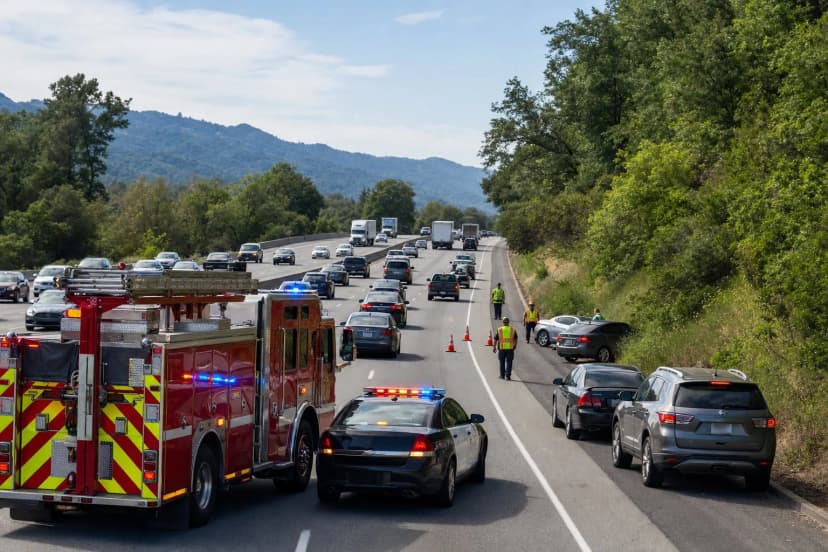
This article analyzes modern roadway hazards—procedures for surviving high-speed highway breakdowns, the architectural patterns that make intersections deadly, low-cost community engineering fixes, emergency response timing, and emerging connected driver-to-driver technologies (like license-plate messaging) that accelerate incident awareness and improve public safety.
This article is a comprehensive guide for modern drivers combining a year-round, modular vehicle emergency kit, seasonal preparedness modules, diagnostics of the ten most dangerous intersection patterns with low-cost fixes, and an overview of technology-driven community tools that speed response and foster driver-to-driver accountability to reduce crashes and pedestrian fatalities.
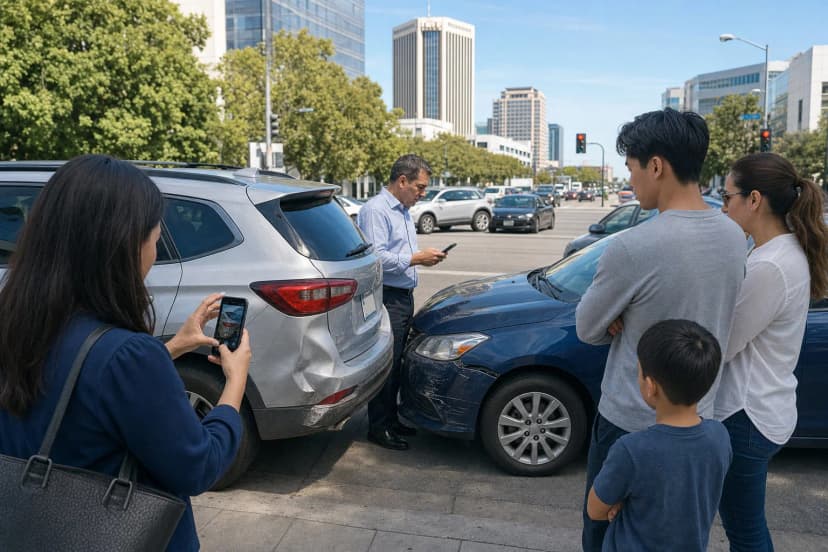
This article is a comprehensive, research-backed guide for drivers and community advocates on what to do (and what not to say) after a fender bender, covering immediate safety protocols, evidence preservation, legal vocabulary to avoid admissions of fault, intersection design risks, low-cost engineering countermeasures with Crash Modification Factors (CMFs), and how telematics and crowdsourced driver networks can shorten emergency response times and deter hit-and-runs.
This exhaustive analysis identifies the temporal, spatial, vehicle-geometry, and cognitive causes of heightened pedestrian risk in school zones—especially the 6–9AM and 3–6PM danger windows—and evaluates legislative, engineering, and behavioral countermeasures (LPIs, School Streets, AB 382/20 mph, driver habits) to reduce child pedestrian injuries and fatalities.
This report explains the physics behind winter skids and hydroplaning, catalogs the ten most dangerous intersection patterns, and outlines low-cost, Vision Zero–aligned engineering fixes plus community-driven tech (like license plate messaging and VOIS) that reduce response times, deter hit-and-runs, and build civic accountability.
This report analyzes the mismatch between advanced vehicle automation (ADAS) and outdated intersection design, showing how sensor limits, automation complacency, and hazardous urban geometries combine to worsen pedestrian and crash outcomes; it reviews ADAS benefits and failures, catalogs the ten most dangerous intersection patterns, presents low-cost tactical urbanism fixes, highlights a rising hit‑and‑run crisis, and proposes community-driven tools like Carszy to improve rapid response and accountability.
This comprehensive guide explains how to install, configure, and legally use dashcams for high-fidelity forensic evidence, identifies the ten most dangerous U.S. intersection patterns, and outlines low-cost engineering fixes plus community-driven “Human Media” strategies to accelerate law enforcement response and secure infrastructure improvements.
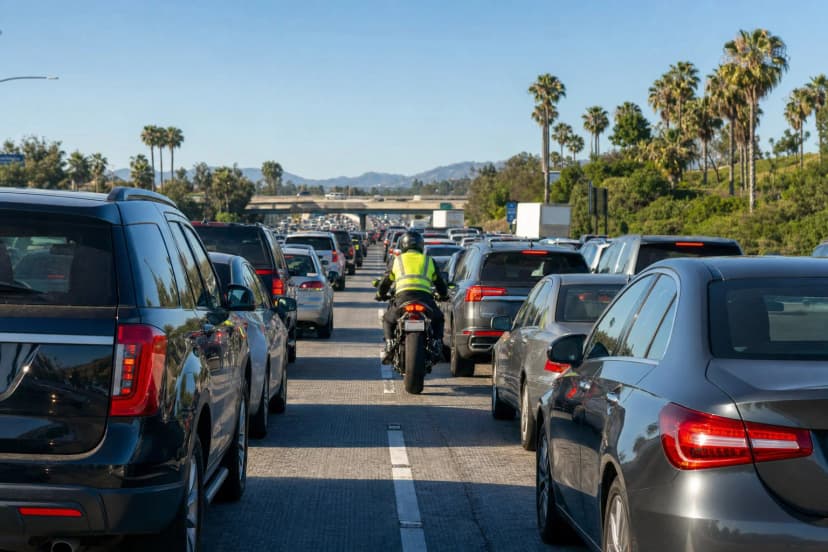
This expert report explains why the zipper (late) merge outperforms early merging under congestion, analyzes the psychology of road rage, identifies the ten most dangerous U.S. intersection patterns, and prescribes proven, low-cost engineering and community-driven interventions—paired with new privacy-first communication tools—to reduce crashes and reclaim streets.