Stay up to date with the latest news, safety tips, and community stories from the Carszy network.
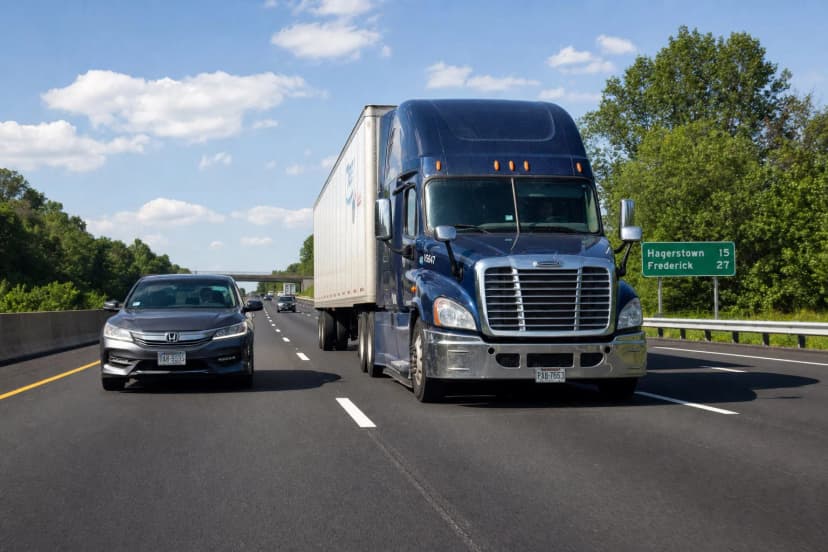
This comprehensive guide prescribes a multi-layered approach to preparing a teen’s first car for independent driving by combining evidence-based vehicle selection, OEM and aftermarket safety configurations, community-sourced alerts, telematics, and a formal parent-teen contract to mitigate the eight primary danger zones facing novice drivers.
This 2026 guide explains how buyers can avoid common used-car scams—VIN cloning, title washing, odometer rollback, and hidden flood damage—by using federal databases (NMVTIS, NICB VINCheck), scrutinizing vehicle histories and mileage chronologies, conducting thorough physical and electronic inspections, and leveraging new consumer protections like California’s 2026 CARS Act.
This report explains why advanced in-vehicle safety systems have not stopped rising traffic deaths, details the ten deadliest intersection patterns and regional examples, and offers a tactical playbook of proven, low-cost engineering fixes plus community-driven, real-time alert strategies to reduce fatalities and improve response times.
This comprehensive report explains high-beam science and etiquette, identifies the ten most dangerous intersection patterns in North America, recommends proven low-cost engineering countermeasures communities can advocate for, and explores how driver-to-driver technology and V2V communications can reduce road rage, speed emergency response, and improve neighborhood safety.
This article explains the physics of hydroplaning, debunks common wet-weather driving myths, identifies the ten most dangerous intersection design patterns, recommends low-cost, quick-build countermeasures communities can advocate for, and describes how driver-to-driver communication technology can reduce hit-and-run incidents and speed emergency response.
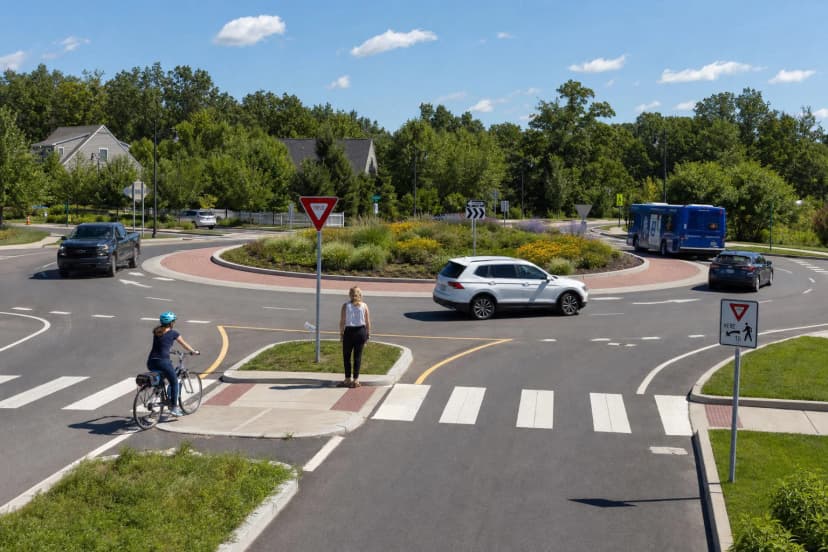
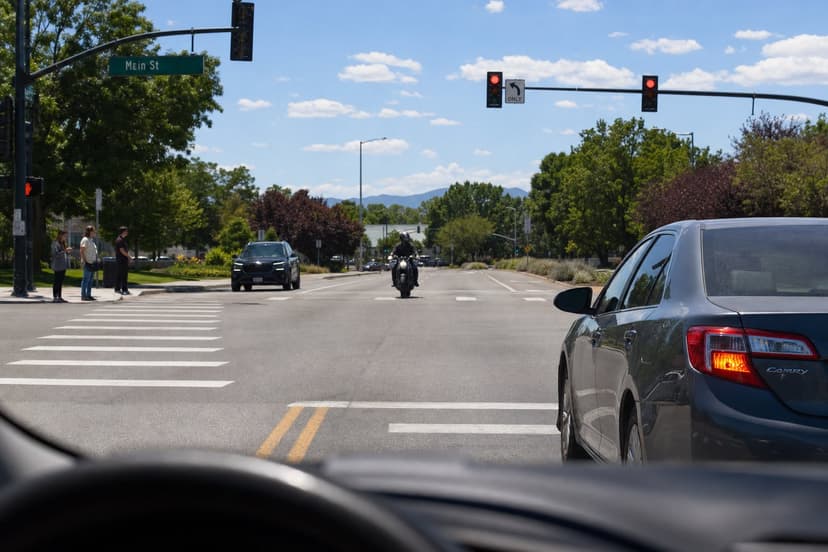
This comprehensive report explains why intersections—especially multi-lane roundabouts and several legacy intersection patterns—are central to U.S. traffic trauma, provides a beginner-friendly, four-phase guide to navigating multi-lane roundabouts, identifies the ten most dangerous intersection patterns, and outlines low-cost, evidence-based countermeasures plus community-driven tech (like license-plate messaging and VOIS) to mobilize real-time accountability and reduce crashes.
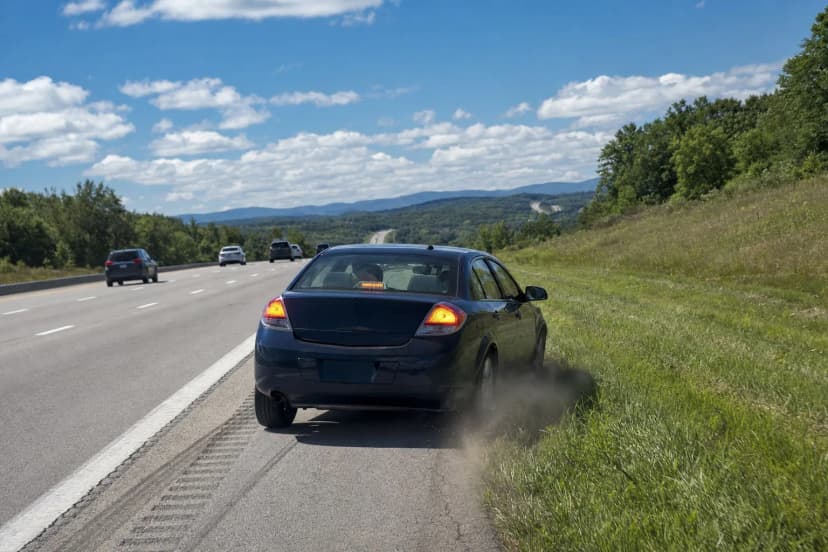
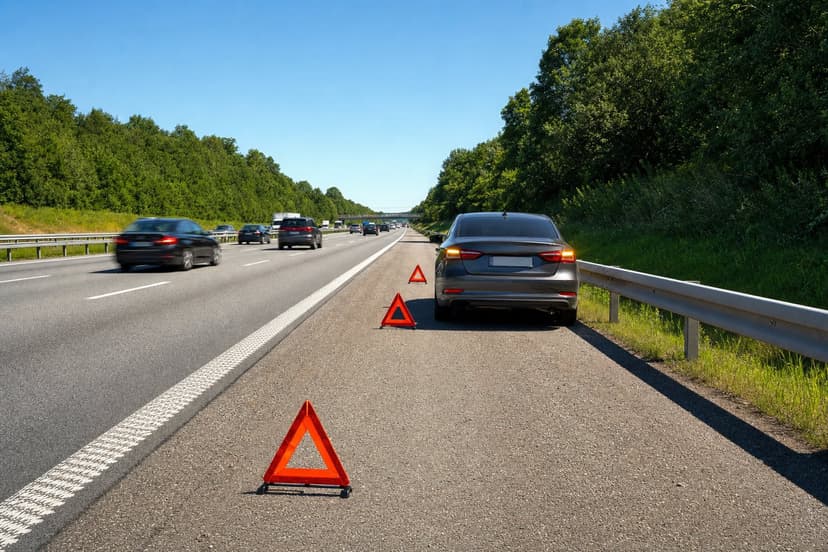
This article analyzes modern roadway hazards—procedures for surviving high-speed highway breakdowns, the architectural patterns that make intersections deadly, low-cost community engineering fixes, emergency response timing, and emerging connected driver-to-driver technologies (like license-plate messaging) that accelerate incident awareness and improve public safety.
This article is a comprehensive guide for modern drivers combining a year-round, modular vehicle emergency kit, seasonal preparedness modules, diagnostics of the ten most dangerous intersection patterns with low-cost fixes, and an overview of technology-driven community tools that speed response and foster driver-to-driver accountability to reduce crashes and pedestrian fatalities.
This article is a comprehensive, research-backed guide for drivers and community advocates on what to do (and what not to say) after a fender bender, covering immediate safety protocols, evidence preservation, legal vocabulary to avoid admissions of fault, intersection design risks, low-cost engineering countermeasures with Crash Modification Factors (CMFs), and how telematics and crowdsourced driver networks can shorten emergency response times and deter hit-and-runs.