Stay up to date with the latest news, safety tips, and community stories from the Carszy network.
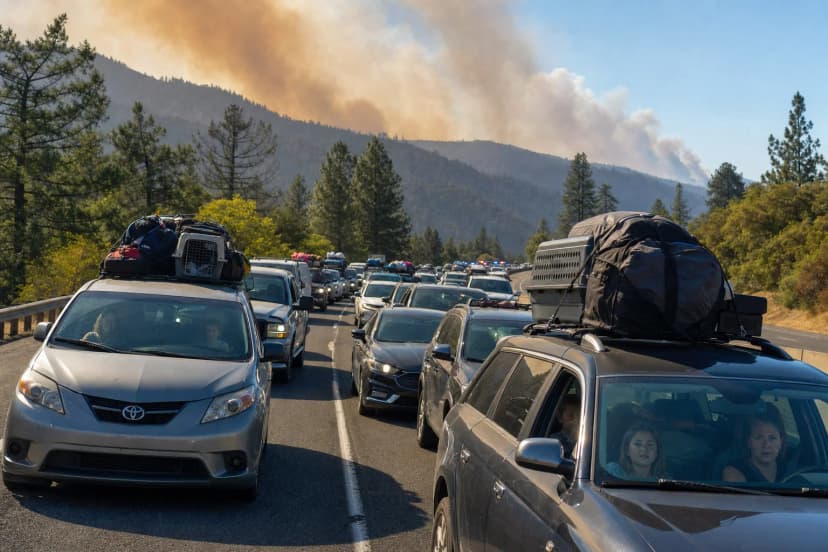
This comprehensive guide explains how motorists can survive wildfire evacuations in California by recognizing alerts, preparing vehicles and homes, navigating gridlock and contraflow, surviving vehicle entrapment (burnover), and leveraging community-driven and emerging technologies.
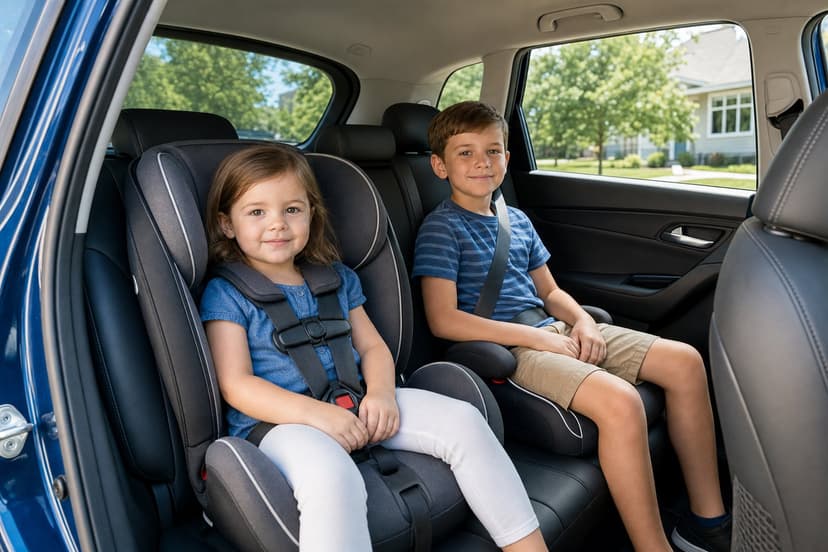
This article is an in-depth examination of child passenger safety that synthesizes evidence on LATCH installation errors and weight limits, the emerging IIHS-identified rear-seat safety gap, upcoming federal and state regulatory changes (FMVSS 213a/213b and California AB 435), the biomechanics of booster transitions, economic impacts, and community-driven tech solutions like Carszy to mitigate external driving threats.
This investigative guide examines the multifaceted crisis of impaired driving in California—covering alcohol, cannabis, prescription/OTC medications, and drowsy driving—outlining forensic and enforcement gaps, key 2023 statistics, technological controversies (like roadside saliva testing), systemic emergency-response failures, and community-driven solutions such as license-plate messaging and vehicle-of-interest search tools to reduce harm and accelerate intervention.
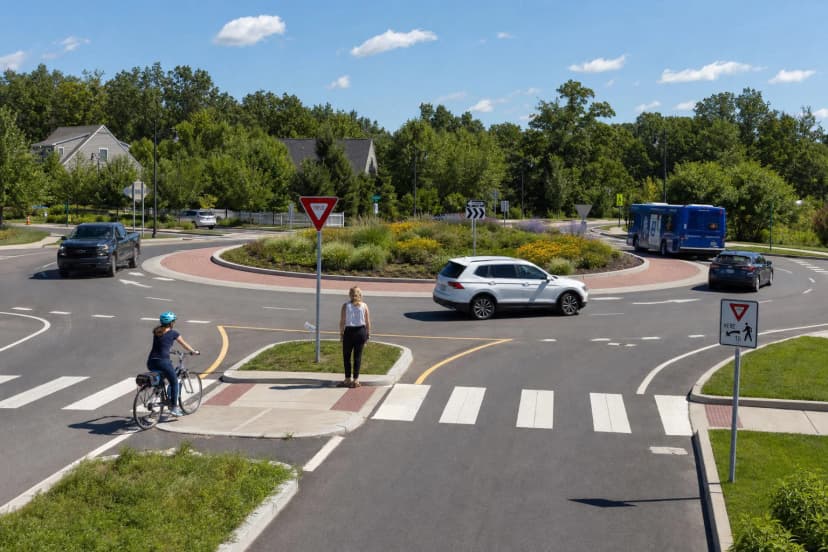
This article explains why modern single- and multi-lane roundabouts improve safety and traffic flow, presenting geometric principles, empirical crash-reduction data, driver navigation rules, and technology-enabled community safety tools to help motorists master roundabout driving.
This article explains engineering and procedural responses to sudden vehicular brake failure, presenting a stepwise emergency deceleration protocol, relevant failure statistics, and how community-driven platforms like Carszy can prevent and mitigate incidents.
This article exposes the "two-second lie": the false belief that brief glances at infotainment screens are safe, summarizing crash-risk data, ergonomic failures of touchscreens, cognitive limits of hands-free systems, demographic vulnerabilities, regulatory changes (Euro NCAP 2026), and practical and community-driven interventions including Carszy's safety platform.
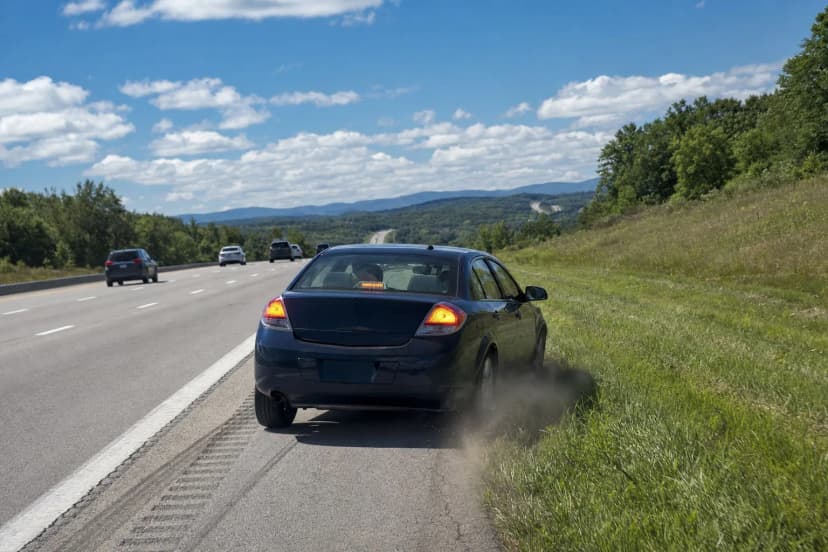
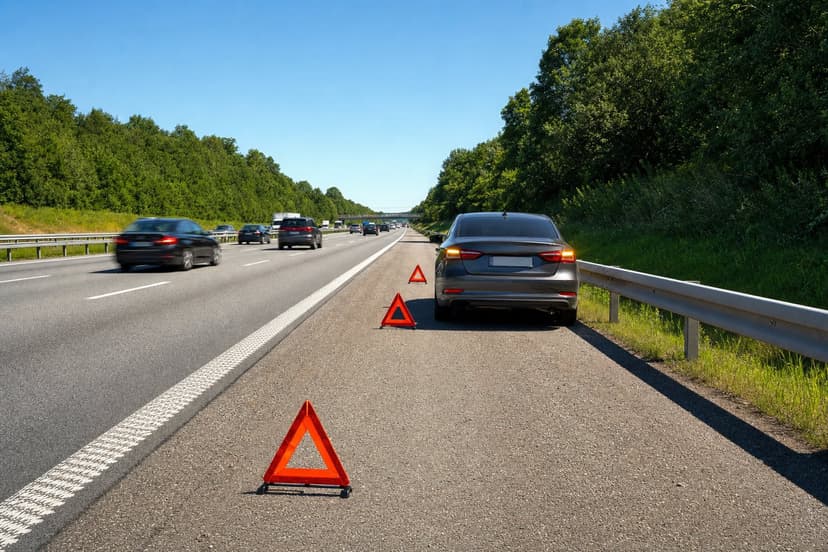
This article explains a step-by-step roadside breakdown survival protocol, quantifies the growing epidemic of roadside fatalities, summarizes key physics and behavioral drivers of secondary crashes, reviews legal changes (notably California's AB 390 effective Jan 1, 2026), and outlines technological and community tools—V2X, digital alerts, and license-plate messaging—that reduce exposure and prevent secondary collisions.
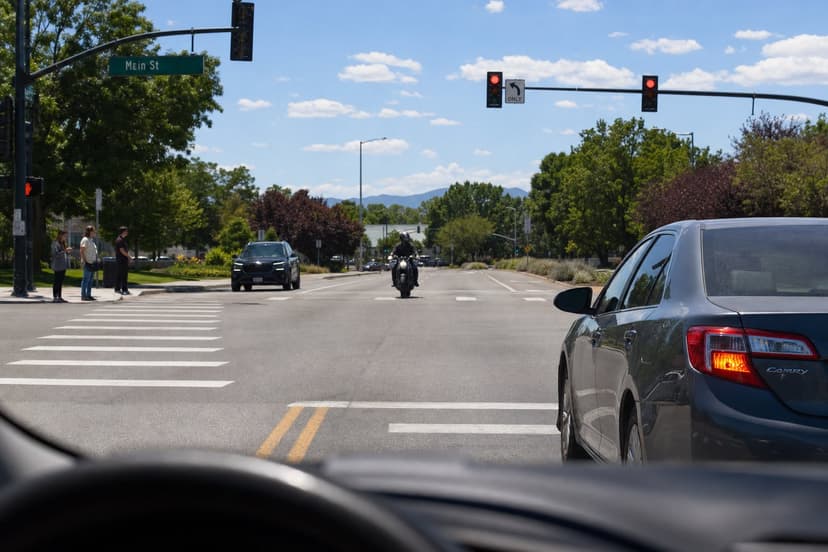
This report analyzes why drivers frequently 'don’t see' motorcyclists at intersections, combining crash statistics, cognitive science (four perceptual failure modes), current vehicle ADAS limitations, emerging Left-Turn Assist tech, crowdsourced data strategies (FHWA EDC-6), and practical countermeasures for drivers, riders, and planners to reduce left-turn collisions and improve survivability.
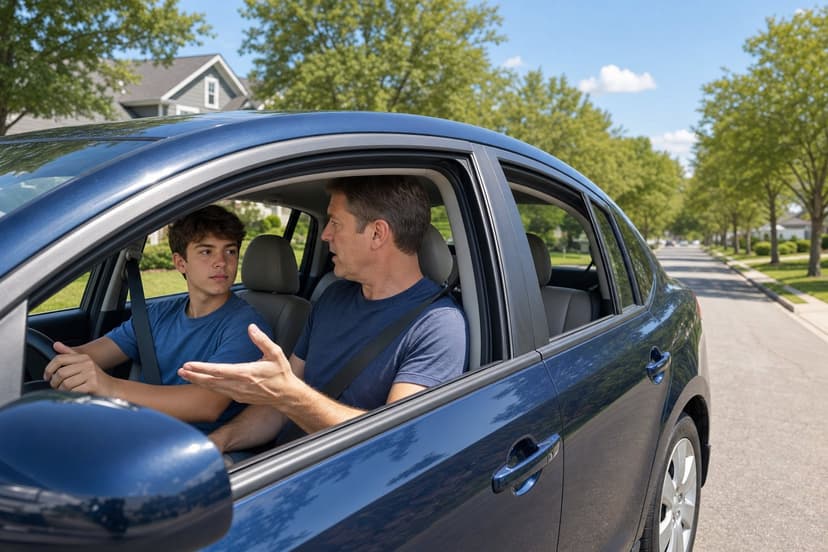
A comprehensive, evidence-based guide for parents that outlines a structured, low-stress method for teaching teenagers to drive using Graduated Driver Licensing (GDL) principles, a phased 50-hour practice plan, psychological coaching techniques like commentary driving, and modern safety technologies and community platforms such as Carszy.