From Asphalt to Algorithms: How Your Car is Becoming the Ultimate Community Safety Node
Remember when a "connected car" just meant you could pair your phone via Bluetooth? Those days are in the rearview mirror. Today, we are witnessing the birth of the Software-Defined Vehicle (SDV). Your car is no longer just a machine of steel and glass; it is a rolling server, a sophisticated data node, and potentially, the most powerful tool for community safety we have ever seen.
As an automotive tech journalist, I’ve driven everything from vintage muscle to autonomous prototypes. But the most exciting shift isn’t in 0-60 times—it’s in how our vehicles are starting to talk to each other, to the city, and to us, to prevent accidents before they happen. If you’re curious where this is all heading, our deeper look at the future of AI dashcams and Human Media™ shows how in-car intelligence is turning every trip into a chance to protect your community.
Here is what the shift to software-defined mobility means for you, your family, and your neighborhood.
1. The Car as a Real-Time Data Node
In the past, safety reporting was purely reactive. An accident happened, someone called 911, and a log was created.
In an SDV ecosystem, the car is a "node" in a massive, real-time network. It doesn't just drive; it observes. Through cameras, LiDAR, and telematics, vehicles are processing gigabytes of data every second.
- The Shift: Instead of just recording speed, cars are now capable of flagging hazards (potholes, ice, erratic drivers) and sharing that data with the cloud. That same network effect powers new, community-led road safety tools that let neighborhoods spot patterns and fix dangerous spots before someone gets hurt.
- The Community Impact: This is where platforms like Carszy bridge the gap. While the car's computer talks to the traffic grid, we need a layer for Human Media™—real people using that connectivity to keep communities safe. It transforms a license plate from a piece of metal into a unique identifier that allows drivers to securely alert one another about a trunk left open or a dog in a hot car.
2. Edge Computing + V2X: From Reactive Logs to Proactive Prevention
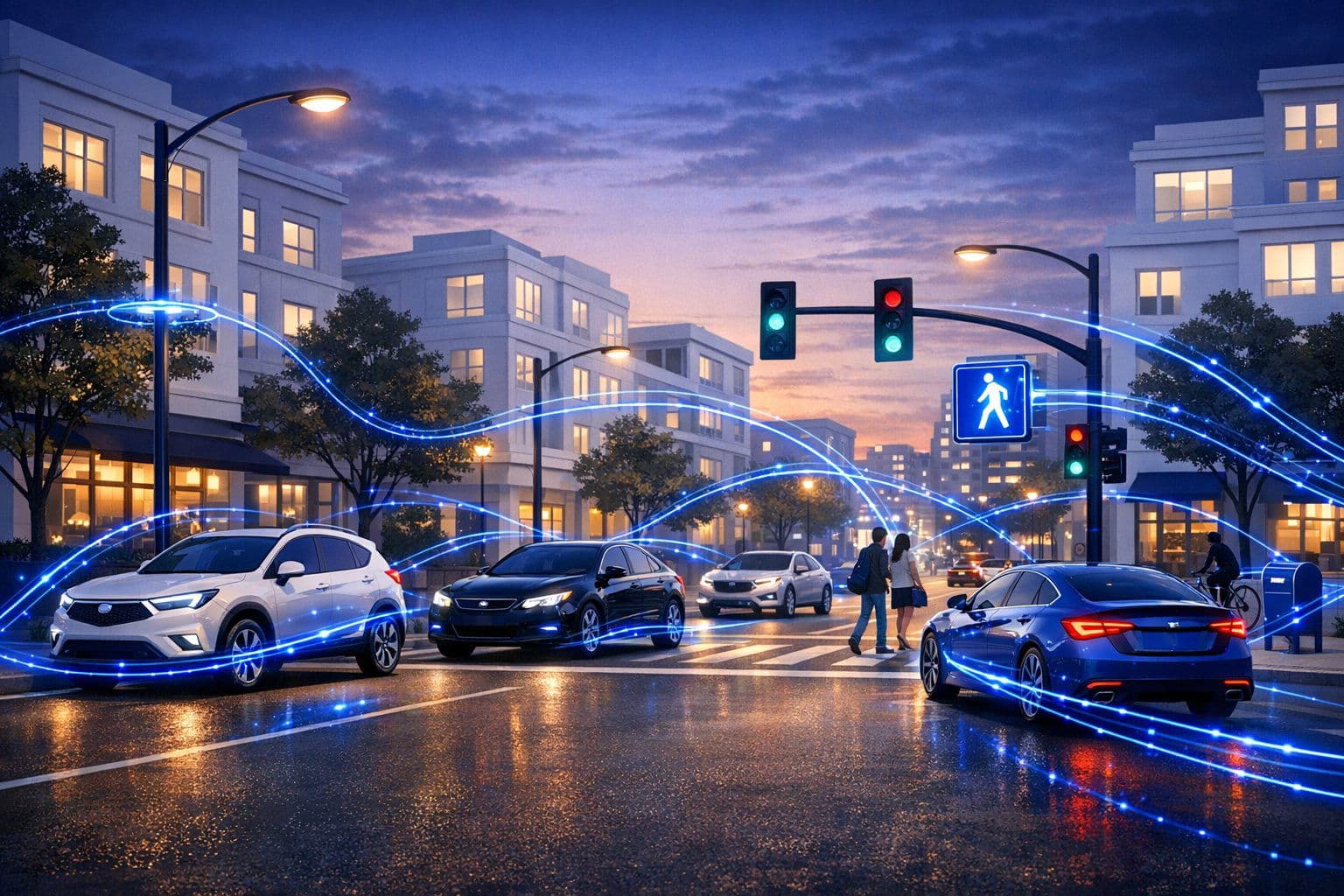
V2X (Vehicle-to-Everything) communication is the tech world's acronym for "cars talking to traffic lights, other cars, and pedestrians."
But talking takes time. Sending data to a central cloud server and back can take milliseconds too long when a collision is imminent. This is where Edge Computing steps in—processing data right there in the car (at the "edge" of the network) rather than sending it away.

The Difference: Reactive vs. Proactive
| Feature | Old School (Reactive) | New Era (Proactive V2X & Edge) |
|---|---|---|
| Incident Logging | Police report filed after crash. | Car alerts nearby drivers of heavy braking before they see it. |
| Traffic Mgmt. | Radio reporter mentions jam. | Infrastructure reroutes traffic automatically based on flow data. |
| Community Safety | "Did you see that reckless driver?" | VOIS™ (Vehicle of Interest Search) alerts community instantly to locate high-risk vehicles. |
By moving processing to the edge, safety apps and vehicle systems can warn you of a red-light runner at an intersection before you even enter it. Combined with community tools that make it easy to report road rage and aggressive driving safely, that proactive layer can turn close calls into non-events.
3. OTA Updates: Your Car Gets Smarter While You Sleep
Historically, if you wanted a safer car, you had to buy a new one. With OTA (Over-the-Air) updates, safety features are software products, not hardware fixtures.
Imagine a reporting ecosystem that evolves:
- Dynamic Features: A software update could enable your car's cameras to automatically detect and report "Amber Alert" license plates without you lifting a finger, much like modern AI dashcams that act as a co-pilot, legal witness, and neighborhood guardian all at once.
- Platform Agnostic: You don't need a 2026 model to participate. Apps on your phone (integrated via CarPlay or Android Auto) can push these updates, allowing older vehicles to join the safety network. This democratizes safety—you don't need a luxury budget to have a protected commute.
4. Designing HUD and Voice-First Reporting
We cannot talk about "community reporting" without addressing the elephant in the room: Distracted Driving.
It is counterproductive to pick up a phone to report a dangerous driver if doing so makes you a dangerous driver. The industry is solving this through Heads-Up Displays (HUD) and Voice-First interfaces.
- Voice-Activated Safety: "Hey Car, report reckless driver, plate ABC-123."
- HUD Integration: Safety alerts (like a Carszy notification about an erratic driver ahead) are projected onto the windshield, meaning your eyes never leave the road.
This "Hands-Free Enforcement Era" is critical. It allows everyday citizens to participate in Human Media™—reporting road rage or hazards—without compromising their own safety. If you’ve ever wondered how to step in safely when tempers flare on the highway, our guide on how to report road rage effectively walks through what to do, what to record, and when to back off.
5. V2P and Vulnerable Road Users (VRUs)
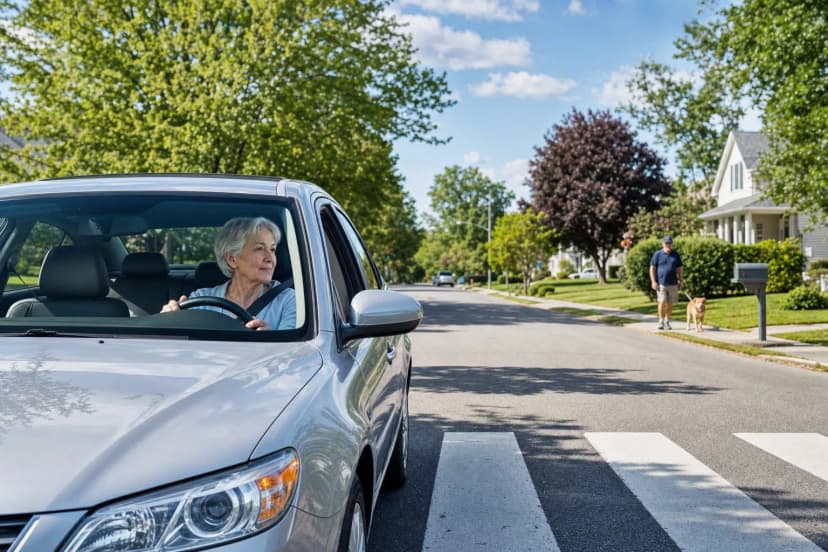
The most tragic statistics on our roads involve Vulnerable Road Users (VRUs)—pedestrians, cyclists, and children.
V2P (Vehicle-to-Pedestrian) technology allows smartphones in pockets to broadcast their location to nearby vehicles.

- Proximity Alerts: Your car knows a child is sprinting toward the street from behind a parked van because the child's smartwatch or phone signaled the car's computer.
- Community Watch: In a neighborhood setting, this tech amplifies the power of a Neighborhood Watch. If a vehicle is flagged via VOIS™ as being involved in an abduction or suspicious activity, that data can interact with V2P networks to alert parents in the immediate vicinity, building on the same community-sensing ideas behind community-led tech interventions for safer streets.
6. Data Governance: Making ‘25GB/Hour’ Understandable
Intel estimates that a connected autonomous vehicle generates over 4,000 GB of data per day. That is roughly 25GB every hour.
Who owns that? Who sees it?
The "Black Box" problem is the biggest hurdle to adoption. For this ecosystem to work, it must be:
- Consent-Driven: You must opt-in to share your data.
- Anonymized: We care about the hazard, not tracking your commute to the grocery store.
- Local & Secure: This is why choosing platforms with US-based servers and strict privacy protocols (like Carszy) matters. You aren't just uploading data to the ether; you are participating in a governance model that prioritizes user privacy over ad revenue.
The Road Ahead
The software-defined vehicle is not just a gadget; it is a shield. By turning cars into real-time data nodes, we are moving from a world where we only investigate tragedies to a world where we prevent them. Whether it’s through high-tech V2X sensors or community-driven tools like License Plate Messaging, the goal remains the same: getting everyone home safe.
The hardware is ready. The software is updating. Now, it’s up to us—the drivers—to connect, participate, and use these systems the way they were intended: to make every neighborhood a little safer than it was yesterday.
Frequently Asked Question
Q: Will connecting my car to these safety networks expose my location to stalkers or criminals?
A: This is a valid concern. Legitimate safety platforms are designed with "Privacy by Design." For example, systems like Carszy use license plates as identifiers but do not reveal personal contact info or real-time GPS breadcrumbs to the general public. Communication is routed through the secure server (double-blind messaging), so you can alert a driver that their trunk is open without them ever knowing your phone number or who you are. For more peace of mind, you can review how connected dashcams and apps handle privacy in our article on AI dashcams, legal protection, and community safety. Always check that the app or vehicle setting you use relies on US-based, encrypted servers.
Want to join the connected safety network?
You don't need a futuristic EV to start making your roads safer today. Download Carszy to connect with other drivers, receive critical community alerts, and protect your neighborhood using the vehicle you drive right now. Whether you’re reporting reckless driving, responding to a local alert, or simply staying informed, you’re becoming part of a smarter, safer roadway ecosystem.