Witnessed a Crash? The Ultimate Bystander Guide and the Top 10 Intersection Fixes Saving Lives
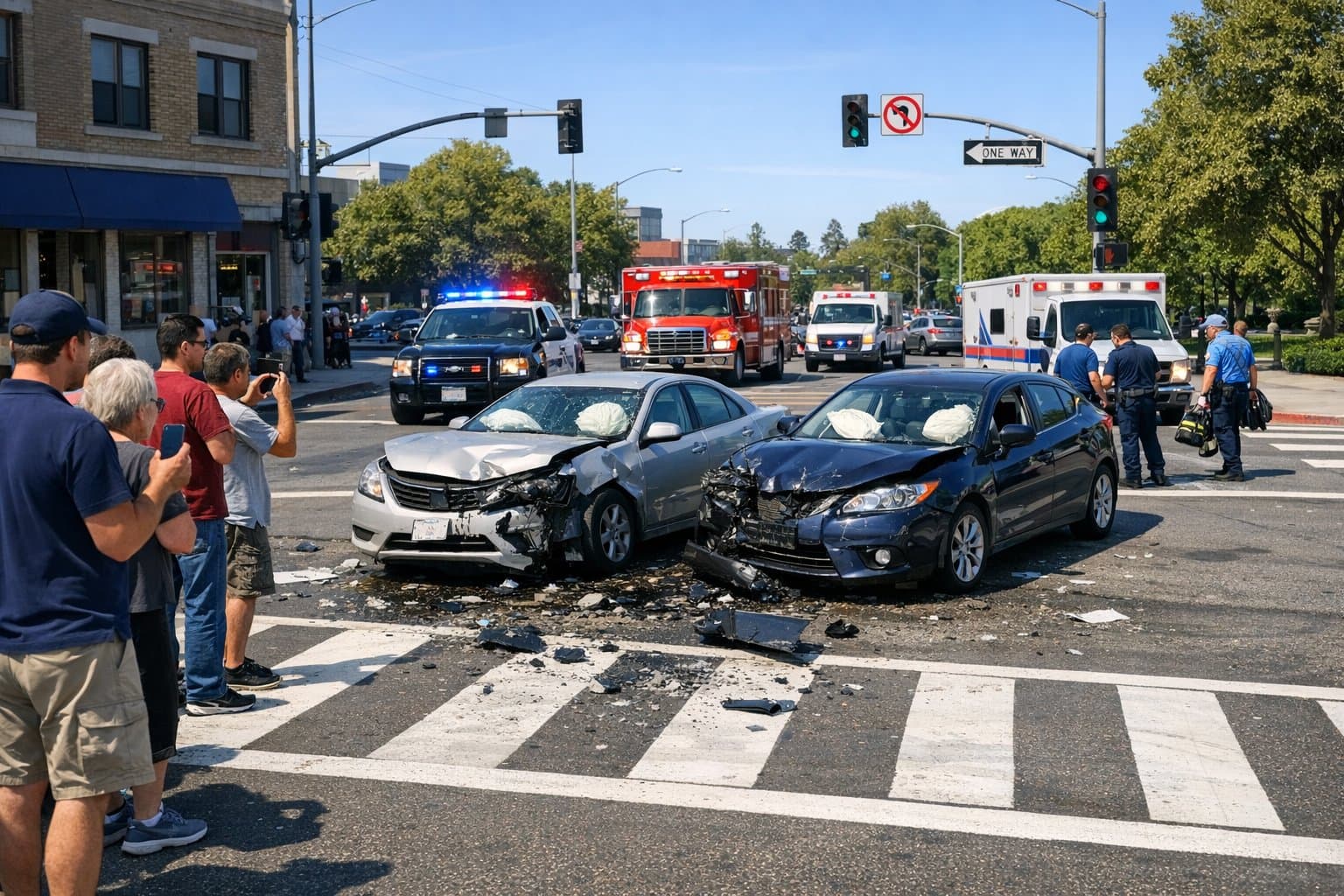
The screech of locking brakes, the concussive impact of metal on metal, and the sudden, unnatural silence that follows—witnessing a motor vehicle collision is a visceral, adrenaline-fueled experience. For the daily commuter, the safety-conscious parent on a school run, or the neighborhood watch advocate monitoring local streets, the immediate instinct following a crash is often to reach for a smartphone. However, the critical moments following a high-energy vehicular collision represent a highly complex intersection of emergency medical response protocols, intense legal liability, forensic documentation, and community safety dynamics. How a bystander reacts in these fleeting minutes can either irrevocably compromise an ensuing criminal investigation or provide the pivotal, objective evidence needed to ensure legal justice and save lives.
As urban populations continue to swell and the geometry of suburban roadways is pushed far beyond their original intended capacities, the frequency of severe, life-altering traffic incidents continues its upward trajectory. Simultaneously, the modern digital landscape has fundamentally transformed how these traumatic incidents are recorded, distributed, and weaponized, often blurring the fragile line between vital civic duty and privacy-harming digital voyeurism. A necessary paradigm shift is currently occurring among safety experts and technologists—moving away from the performative, attention-seeking nature of traditional social media and toward what safety advocates term "Human Media™." This emerging framework leverages mobile technology specifically for real-world community impact, accountability, and the preservation of human life.
This comprehensive, expert-level report examines the multifaceted and critical role of the collision bystander. It establishes an authoritative, evidence-based protocol for scene safety, details the intricate legal and ethical boundaries of digital recording, and exposes the severe litigation pitfalls of social media oversharing. Furthermore, the analysis pivots from reactive emergency measures to proactive community advocacy, dissecting the top ten most dangerous intersection design patterns in the United States. By outlining proven, low-cost engineering fixes, this guide empowers communities to champion infrastructure modifications that prevent these devastating collisions before they ever occur.
Part 1: The Bystander Protocol: Immediate Action, Scene Management, and the Golden Time
When a motor vehicle collision occurs, the immediate physical environment is highly volatile and inherently dangerous. Secondary collisions from distracted rubberneckers, leaking hazardous fluids, deployed pyrotechnic airbag charges, and the profound psychological shock of the involved parties create a chaotic, unpredictable ecosystem. The absolute primary directive for any witness is the preservation of personal life and safety, followed closely by the accurate, objective preservation of forensic evidence.
Securing the Scene and the Crucial "17-Minute Golden Time"
The absolute priority for a bystander is personal physical safety; a well-intentioned witness who becomes a secondary victim in a subsequent collision exponentially complicates the emergency response and drains limited medical resources. If the involved vehicles are movable and it is safe to do so, established traffic safety protocols dictate moving them out of the active roadway immediately. Contrary to a persistent and dangerous popular misconception, moving a vehicle out of the active flow of traffic does not negatively alter the legal situation, nor does it invalidate the forensic reality of the crash for responding officers. If the vehicles are catastrophically immobilized, occupants and witnesses must immediately move themselves to safety, remaining well off to the side of the road and entirely clear of the surrounding traffic flow.
The speed and accuracy of the emergency response are absolutely critical to patient survivability. Traumatology research analyzing decades of United States automobile collisions has identified a critical "17-minute golden time" for accident survivability. This specific temporal metric is derived from extensive, peer-reviewed analysis of the Fatality Analysis Reporting System (FARS) dataset. When crash victims receive advanced trauma care within this specific window, survival outcomes and long-term prognoses improve drastically. However, real-world data indicates severe, systemic disparities based on geographic location and infrastructure.
An in-depth analysis of Emergency Medical Services (EMS) call times reveals that across all trauma severity levels, response times average 74.1 minutes nationally, but stretch to a staggering 92.8 minutes in rural and tribal communities. High-acuity activations—emergency calls involving severe, life-threatening injuries or complex extrications—are significantly more common in rural settings, comprising 39.3% of calls compared to just 26.4% nationally. Tragically, for patients suffering these high-acuity injuries in rural areas, the total EMS call times are almost 30 minutes longer than the national average (97.1 minutes versus 69.0 minutes). Every single minute of delay from the moment of the crash to the arrival of advanced EMS personnel increases the fatality rate ratio by 1% in rural counties, 2% in micropolitan-urban areas, and 5% in metropolitan-urban counties.

Because of these profound logistical delays, the bystander is frequently the only functional link between the crash victims and the specialized trauma system during the most critical phase of the incident. Prompt, accurate calls to 911 dispatchers that detail the exact geographic location, the precise number of vehicles involved, and the apparent severity of injuries are paramount to triggering the correct level of emergency response. After the immediate emergency, drivers can also apply a calmer version of this same mindset any time they experience a near-miss, following a structured checklist like the one in a 5-step near-miss action plan to capture details before they fade.
Forensic Documentation: What Bystanders and Victims Must Record
Once emergency medical services have been officially notified and physical scene safety is definitively established, the secondary role of the involved parties and bystanders is objective documentation. Human memory is notoriously fallible and highly malleable, particularly following a sudden, traumatic event. Adrenaline surges distort temporal perception, physical details, and sequence sequencing. Therefore, immediate, objective documentation is a strict requirement.
Witnesses and involved parties should immediately utilize pen and paper, smartphone cameras, video recording features, or voice memo applications to record comprehensive details while the evidence remains uncontaminated. Critical data points that must be captured include:
-
Directional Vectors: The exact direction each vehicle was traveling prior to the impact, where they originated from, and their intended trajectory.
-
Roadway Characteristics: The total number of travel lanes in each direction, the presence and operational status of specific traffic control devices (stoplights, stop signs, yield indicators, roundabouts), and ambient weather or complex lighting conditions.
-
Impact Metrics: The precise points of physical impact on all involved vehicles. Comprehensive photographic evidence of the vehicles and any damaged ancillary objects (such as guardrails, city signage, or curbs) is absolutely vital.
Thorough photographic documentation serves as a powerful, objective protective barrier against subsequent fraudulent insurance claims. In the weeks following a collision, a dishonest driver may attempt to claim that pre-existing vehicular damage was a direct result of the current accident; comprehensive, time-stamped photos taken at the immediate scene establish an immutable, objective baseline of the event that adjusters rely upon.
Furthermore, the immediate exchange of accurate, verifiable information is a strict legal necessity. Involved parties must calmly exchange legal names, phone numbers, active insurance policy details, the make and model of the involved vehicles, and the unique Vehicle Identification Numbers (VINs) from all vehicles. Exchanging clear photographs of driver's licenses ensures the accuracy of transcribed information and prevents identity obfuscation.
Independent bystanders play a crucial, often case-deciding role here as well. Obtaining the names and contact information of independent, third-party witnesses provides law enforcement officers and civil insurance adjusters with unbiased accounts that are heavily relied upon to formally establish legal fault and financial liability. Police reports are frequently the foundational document utilized by personal injury attorneys; a report containing the statements of verified bystanders carries significantly more legal weight than a report containing only the inherently biased statements of the involved drivers. When behavior at the scene crosses into aggression or recklessness, it becomes even more important to recognize and document patterns of road rage, negligence, and reckless driving to protect yourself legally and physically.
Part 2: The Digital Dilemma: Recording Rights vs. Social Media Perils
While the modern smartphone is an essential, ubiquitous tool for documenting a crash scene, it is also a gateway to significant legal, financial, and personal peril if utilized improperly. The immediate instinct for many individuals is to upload chaotic, unfiltered crash scene footage or emotional status updates to platforms like Facebook, X (formerly Twitter), Instagram, or TikTok. This impulse is largely driven by the psychological algorithms of the modern attention economy. However, legal experts, defense attorneys, and privacy advocates uniformly advise against this hazardous practice.
The Severe Legal Perils of Digital Oversharing
For those directly involved in the collision, posting any information about the event—even seemingly innocuous status updates intended solely to reassure anxious friends and family—can irreparably damage subsequent personal injury claims and civil litigation. Insurance defense attorneys and opposing corporate counsel routinely and exhaustively scour public and private social media profiles during the mandatory discovery phase of civil litigation. Digital content, including timestamps and geolocation data, is considered highly admissible evidence in court, and it is frequently weaponized to aggressively undermine a victim's credibility.
The legal and financial risks of digital oversharing are profound and far-reaching:
-
Disproving Liability and Admitting Fault: An emotional, heat-of-the-moment post containing an apology, a statement of regret, or a detailed, unvetted account of the crash mechanics can easily be legally construed as a formal admission of fault, completely shifting financial liability.
-
Minimizing Claimed Injuries: Opposing attorneys aggressively search for any photographs or videos posted by the victim in the weeks and months after the accident. A photograph of a victim smiling at a family barbecue, attending a concert, or holding a child—even if they are experiencing agonizing physical pain off-camera—will be presented to a jury to insinuate that the claimed injuries are exaggerated, fabricated, or fully healed.
-
Contradictory Timelines and Geotagging: Utilizing the "check-in" feature or posting geotagged social media updates establishes a rigid, indisputable digital timeline of a person's physical whereabouts. If this digital footprint conflicts in any way with the timeline provided to investigating police officers, insurance adjusters, or medical professionals, it completely destroys the victim's narrative credibility.
-
Disputing Emotional Distress: Claims for emotional distress or mental anguish are severely undermined by posts depicting the victim engaging in normal social activities, living a seemingly joyful life, or participating in online banter.
Legal counsel universally advises maintaining absolute digital silence regarding the crash, preserving all photographic and video evidence strictly on local, encrypted hard drives, and sharing it exclusively with retained legal representatives. Deleting a problematic post after realizing it may be legally damaging is not a viable solution; in many jurisdictions, deleting social media posts related to ongoing or impending civil litigation constitutes the deliberate destruction of evidence, legally termed "spoliation," which can result in severe judicial sanctions or criminal charges for the obstruction of justice. In most cases, attorneys recommend pausing all social media use entirely until the legal case is fully resolved.
The Bystander's First Amendment Rights and the Right to Record
While directly involved parties must practice extreme digital restraint, independent bystanders possess clear, constitutionally protected legal rights to document the scene of a crash, particularly regarding the actions of responding public officials. In California, for example, the legal framework explicitly protects the public's fundamental right to record in public spaces. Under the specific provisions of California Penal Code Section 148(g), the simple act of photographing or making an audio or video recording of a public officer or peace officer while the officer is in a public place does not constitute resisting, delaying, or obstructing an officer.
This critical statute effectively codifies First Amendment protections established by the U.S. Court of Appeals (e.g., the 9th and 10th Circuits), explicitly guaranteeing the public's constitutional right to film police officers, active accident scenes, and marked police vehicles, provided the person operating the camera has a legal right to be in that specific physical location (such as standing safely on a public sidewalk or observing from private property with permission). Law enforcement personnel cannot legally detain a bystander, demand the confiscation or deletion of their recording equipment, or establish probable cause for a physical arrest simply because the bystander is exercising their right to film the scene. Law enforcement officers must assume they are being filmed at all times in public environments.
However, this constitutional right is not absolute and is subject to strict behavioral caveats. The legal protection instantly evaporates if the bystander physically interferes with the emergency medical response, crosses established yellow police tape, refuses lawful orders to step back for safety reasons, or actively hinders public officers, firefighters, or emergency medical technicians from discharging their life-saving professional duties. The ethical, legally protected bystander records objectively from a safe, non-interfering distance, capturing wide-angle footage that shows the totality of the scene, the actions of law enforcement, and the final resting positions of the involved vehicles, without ever becoming a physical impediment to the rescue operation. When that misbehavior escalates into threats, tailgating, or assaults, it should be documented and—when safe—reported using frameworks similar to those in dedicated guides on how to report road rage safely and effectively.
Part 3: The Hit-and-Run Epidemic, Dashcams, and the Power of "Human Media™"
The importance of rapid bystander documentation is amplified dramatically in the specific context of hit-and-run collisions. A hit-and-run legally occurs when at least one involved driver intentionally flees the scene of a crash before fulfilling their statutory obligation to provide identifying information, present a driver's license, or render reasonable aid to the other involved parties.
The Epidemiology and Societal Cost of the Hit-and-Run
The empirical statistics surrounding hit-and-run incidents represent a rapidly growing, severe public health crisis on American roadways. Data extracted from the National Highway Traffic Safety Administration (NHTSA) Fatality Analysis Reporting System (FARS) indicates a deeply alarming upward trajectory. In 2015, an estimated 737,100 hit-and-run crashes occurred across the United States—equating to a hit-and-run crash taking place somewhere in the country every 43 seconds. By 2016, fatalities resulting directly from these callous incidents reached 2,049, the highest number ever recorded by the agency.
Extensive criminological and traffic research indicates that drivers who actively flee the scene of a collision share common epidemiological and behavioral factors. They frequently operate older model vehicles, suggesting a lower socioeconomic status or a lack of financial resources to maintain valid insurance. More critically, studies consistently show that fleeing drivers are between two and nine times more likely to be actively intoxicated (having a positive Blood Alcohol Concentration or drug presence) at the exact time of the collision. Fleeing is rarely a simple misunderstanding; it is overwhelmingly a calculated, albeit panicked, decision specifically intended to avoid the severe, life-altering criminal penalties associated with driving under the influence (DUI), driving with a revoked or suspended license, or lacking mandatory liability insurance.
The societal and economic burden of unreported and hit-and-run crashes is immense, extending far beyond the immediate victims. When a severe crash is not reported to law enforcement, victims often face catastrophic delays in receiving emergency medical attention, directly leading to exacerbated physical injuries or preventable death. Furthermore, an in-depth analysis of emergency department hospital records in Illinois revealed that marginalized communities with high rates of unreported pedestrian crashes systematically miss out on critical municipal mitigation resources. Because city planners and traffic engineers rely almost exclusively on official police crash data to allocate infrastructure funding and design safety improvements, areas with high hit-and-run rates appear artificially safe on paper. The study found a disturbing equity gap: zip codes with the highest rates of unreported pedestrian crashes had double the poverty rate and 2.6 times the rate of carless households compared to the rest of the state. Hit-and-runs are not just crimes; they are mechanisms of systemic infrastructure neglect.
Technology as the Ultimate Objective Witness
To effectively combat this escalating epidemic, the integration of objective recording technology and rapid community reporting is proving absolutely indispensable. Dashboard cameras (commonly known as dashcams) have evolved from niche, high-end automotive novelties to vital, everyday forensic tools. By continuously recording the view through the windshield (and often the rear window), dashcams provide unimpeachable, objective video evidence that instantly resolves contentious "he-said/she-said" disputes.
Extensive survey data clearly reveals the practical, real-world utility of these devices: 20% of surveyed dashcam owners report successfully utilizing their footage to complete and expedite complex insurance claims, while 12% have used their digital recordings to directly support formal legal cases in court. In severe, high-stakes cases—such as fatal pedestrian collisions—dashcam footage retrieved directly from the vehicle during death scene investigations (DSI) has fundamentally altered the official findings of forensic pathologists, shifting determinations from presumed accidental deaths to intentional suicidal acts, or clarifying complex, multi-vehicle dynamic interactions that were previously inexplicable. Modern AI-enhanced dashcams even detect near-misses and risky behavior in real time, turning your car into both a legal witness and a safety co-pilot.
The Evolution of "Human Media™" and Community Tech Platforms
While dashcams are excellent at capturing the event itself, closing the loop on a fleeing vehicle requires rapid, decentralized, and secure communication. Traditional social media platforms are too fragmented, algorithmically delayed, and cluttered with irrelevant content to be useful in a fast-moving emergency. This critical operational gap is where emerging driver-to-driver communication and community safety platforms, such as Carszy, are actively revolutionizing roadway safety.
Operating on a foundational philosophy termed "Human Media™," these specialized platforms deliberately eschew the vanity metrics, algorithmic manipulation, and privacy invasions of traditional social media in favor of secure, real-world utility and physical safety. By utilizing public license plates as unique, secure identifiers, these applications facilitate instant, encrypted communication between road users who otherwise have no way to contact one another.
If a bystander or a neighborhood watch lead witnesses a hit-and-run, a reckless driver, or an incident of severe road rage, they can immediately input the fleeing vehicle's license plate into the system. Features like VOIS™ (Vehicle of Interest Search) actively harness the power of real-time community mobilization. Instead of waiting critical hours or even days for understaffed law enforcement agencies to process a report and issue a regional alert, a community-driven alert system immediately notifies surrounding users of the suspect vehicle's description and trajectory.
This digital neighborhood watch drastically reduces law enforcement response times, promotes immediate accountability, and significantly increases the mathematical probability of locating vehicles involved in critical, time-sensitive incidents such as child abductions (Amber Alerts), human trafficking, or severe hit-and-runs.
Crucially, in an era where invasive Automatic License Plate Readers (ALPRs) managed by private companies face severe scrutiny for mass surveillance vulnerabilities, data breaches, and a lack of citizen oversight, platforms operating under the Human Media™ ethos prioritize stringent privacy. By hosting data exclusively on secure, US-based servers and restricting communication strictly to safety-focused alerts (e.g., utilizing License Plate Messaging to securely text a driver "your child's car seat is loose," "your taillights are out," or "there is a dog locked in your hot car"), this technology provides the connective tissue necessary to make roads self-policing, highly accountable, and fundamentally safer for all users. The same approach underpins community safety models like the Orange County road safety hub, where local drivers, agencies, and tech work together to turn everyday trips into a protective network.
Part 4: Unmasking the Danger: The 10 Most Dangerous Intersection Patterns
While empowering bystanders with protocols and utilizing community reporting technology addresses the critical aftermath of a crash, the ultimate goal of traffic safety is complete prevention. Intersections inherently represent the most complex, chaotic, and hazardous environments on the entire roadway network. They are engineered convergence zones where the competing paths of multi-ton kinetic vehicles, vulnerable pedestrians, and unprotected bicyclists must inherently cross and conflict.
The statistics are sobering: each year, roughly one-quarter of all traffic fatalities and nearly one-half of all traffic injuries in the United States occur specifically at intersections. An in-depth analysis of regional crash data from notoriously high-risk environments—specifically the sprawling, heat-soaked metropolitan grids of Phoenix, Arizona, and the densely populated, high-speed corridors of Orange County, California—reveals striking similarities in the structural geometry of disaster.
Case Studies in Catastrophe: Phoenix and Orange County
In the Phoenix metropolitan area, comprehensive data compiled by the Maricopa Association of Governments (MAG) utilizing the Intersection Safety Score (ISS) system highlights intersections that routinely see hundreds of devastating crashes annually. The intersection of 99th Avenue and Lower Buckeye Road, a critical junction serving residential and industrial zones, recorded an astonishing 411 crashes over a five-year reporting period. Similarly, the junction of 67th Avenue and McDowell Road recorded 251 crashes, largely driven by incredibly high commuting volume, excessively wide lanes that practically invite speeding, and long signal cycles that encourage drivers to gamble recklessly on late yellow lights.
In Southern California, the statistics are equally grim. Orange County endures over 12,500 injury-related crashes annually, with more than 223 incidents resulting in tragic fatalities. The Statewide Integrated Traffic Records System (SWITRS) data pinpoints severe, recurring hotspots in Anaheim (specifically Beach Boulevard and Ball Road, yielding over 2,000 injury crashes citywide), Santa Ana (Bristol Street and McFadden Avenue), and Fullerton (Euclid Street and Orangethorpe Avenue). These specific geographic locations are universally characterized by heavy commercial trucking traffic, overly complex lane configurations, and a high density of highly vulnerable road users navigating hostile architecture.
By analyzing these regional hotspots directly alongside Federal Highway Administration (FHWA) safety data, civil engineers and safety advocates have identified ten recurring structural patterns that consistently, mathematically lead to severe collisions.

1. The Wide, High-Speed Arterial Cross
The quintessential dangerous American intersection involves two wide, multi-lane arterial roads meeting at grade. These expansive roads are explicitly designed to move a high volume of vehicles as quickly as possible, but their immense width dramatically increases the time and physical distance required for a pedestrian to cross safely. The open, runway-like road layout inherently encourages drivers to significantly exceed posted speed limits, relying on perceived urgency during peak hours. When a crash inevitably occurs at these elevated speeds, the massive kinetic energy transfer almost guarantees severe physical injury or death, particularly in side-impact (T-bone) collisions resulting from red-light running.
2. The Highly Skewed Intersection
Standard, safe intersections meet at precise 90-degree angles, optimizing driver sightlines in all directions. Skewed intersections, where roads meet at sharp, non-perpendicular, oblique angles (often well in excess of 75 degrees), create severe, unavoidable blind spots. This unnatural geometry forces drivers to awkwardly crane their necks and look over their shoulders at extreme angles to view oncoming traffic. This structural pattern is particularly lethal for the aging population; older drivers often experience a natural physiological decline in head and neck mobility, making it physically painful and difficult to scan the skewed vision triangle effectively before proceeding into traffic.
3. The Permissive Left-Turn Trap
Intersections utilizing "permissive" left turns—where drivers are required to yield to oncoming traffic on a solid green light rather than waiting for a protected, dedicated green arrow—are notorious, high-frequency hotspots for high-energy head-on and angle crashes. Drivers, especially those under pressure from vehicles behind them, frequently misjudge the closing speed of approaching vehicles, miscalculate the available gap, or entirely fail to see pedestrians crossing the parallel crosswalk. At intersections like 67th Avenue and McDowell Road in Phoenix, these specific left-turn failures are cited as a primary catalyst for devastating side-impact collisions. Many of these "almost" crashes never make it into official data, but they live in people’s memories as near-miss moments that reveal hidden danger.
4. The Un-Daylighted Corner
"Daylighting" refers to the safety practice of restricting vehicle parking and removing visual obstructions within 20 to 25 feet of an intersection corner. When intersections lack daylighting, legally parked cars, massive delivery box trucks, overgrown municipal vegetation, or poorly placed electrical boxes completely obscure the driver’s view of the crosswalk and oncoming traffic. Drivers are thus forced to inch the nose of their vehicles blindly into the active intersection just to see, placing the engine block directly in the path of high-speed cross-traffic and hidden pedestrians stepping off the curb.
5. The Multi-Lane Stop-Controlled Cross
Unsignalized intersections where a minor, two-lane road intersects a multi-lane, high-speed highway present a daunting, high-stakes cognitive challenge for drivers. Drivers attempting to completely cross or turn onto the highway must accurately judge gaps in traffic across multiple lanes moving at highly differential speeds. A deadly phenomenon occurs here: if a large vehicle in the near lane slows down to politely allow the minor-road driver to cross, that large vehicle acts as an opaque visual screen, entirely hiding a speeding vehicle approaching in the far lane—a dynamic that frequently results in fatal, high-speed right-angle crashes.
6. The Complex Mega-Commuter Freeway Transition
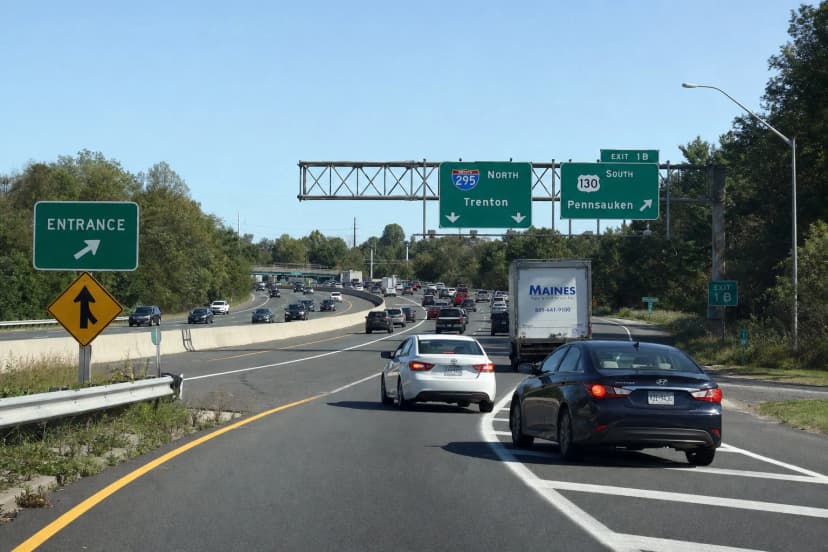
Geographic areas where local surface streets rapidly transition onto major, high-speed freeways—such as the notorious I-5 and SR-55 or I-405 interchanges in Orange County—generate densely concentrated zones of vehicular conflict. Drivers unfamiliar with the incredibly complex, weaving lane configurations are forced to make sudden, erratic lane changes to catch specific on-ramps or avoid being forced onto off-ramps. The rapid, unpredictable acceleration and deceleration speed differentials between slower surface street traffic and aggressive, merging freeway traffic consistently result in severe sideswipe and chain-reaction rear-end collisions.
7. The Unforgiving Slip Lane
Slip lanes (often utilizing a channelized concrete island) are engineered explicitly to allow vehicles to execute right turns without stopping at the main traffic signal. While they successfully improve overall vehicular throughput and reduce idling, they are exceptionally dangerous for pedestrians. The sweeping, wide-radius geometric design of the slip lane encourages drivers to navigate the turn at high speeds while constantly looking left over their shoulder for a gap in oncoming traffic, completely ignoring the marked crosswalk situated directly in front of their bumper to their right.
8. The Extended Signal Cycle Environment
Intersections designed with exceedingly long, multi-phase traffic signal cycles actively breed driver frustration, fatigue, and impatience. In heavy commuter corridors, drivers anticipating a grueling three-to-four minute wait at a red light will frequently accelerate dangerously to "beat the yellow," treating the yellow light as an extension of the green rather than a strict warning to prepare to stop. This reckless behavioral adaptation leads directly to high-velocity collisions with cross-traffic that receives an early green light and accelerates into the intersection.
9. The Dark, Unlit Crossing
Visibility is the foundational bedrock of all traffic safety. Unlit or poorly illuminated intersections drastically reduce a driver's perception-reaction time to near zero. In rural agricultural areas or aging, underfunded urban grids, the lack of ambient overhead lighting means that vulnerable pedestrians and cyclists clad in dark clothing remain virtually invisible until they are directly illuminated by a vehicle's headlights—which, at speeds over 40 mph, is often far too late to execute a successful evasive braking maneuver. Many of the most frightening nighttime driving close calls happen exactly at these dark crossings, where simple lighting and visibility fixes could save lives.
10. The Stroad Environment
A term coined by modern urban planners, a "stroad" is a highly dangerous, inefficient hybrid of a street (a complex, low-speed environment designed for people, homes, and businesses) and a road (a high-speed connection designed exclusively to move vehicles between two places). These hostile corridors feature multiple lanes of high-speed traffic punctuated by frequent commercial driveways, parking lot entrances, and closely spaced intersections. The overwhelming, continuous number of conflict points and the erratic flow of vehicles abruptly turning in and out of businesses create a chaotic environment where severe accidents are a mathematical certainty, rather than an anomaly.
Table 1: High-Risk Intersection Data Comparison
| Metropolitan Area | High-Risk Intersection | Primary Structural Flaws & Hazards | Annual Crash Volume / Impact |
|---|---|---|---|
| Phoenix, AZ | 99th Ave & Lower Buckeye Rd | Wide multi-lane layout, poor lighting, high commuter volume bypassing freeways |
411 reported crashes (Highest in Metro area) |
| Phoenix, AZ | 67th Ave & McDowell Rd | Extended signal cycles, permissive left-turn failures, wide arterial geometry |
251 crashes; Highest overall crash risk score |
| Orange County, CA | Beach Blvd & Ball Rd (Anaheim) | Commercial density, multiple complex turn lanes, high vehicle throughput |
Consistently ranked among OC's most dangerous; high pedestrian hazard |
| Orange County, CA | I-5 & SR-55 / I-405 transitions | Sudden speed differentials, confusing weave patterns, rapid surface-to-freeway transition |
Severe daily sideswipe and cascading rear-end collisions |
Part 5: Tactical Urbanism and the Safe System Approach: Low-Cost Fixes Communities Can Advocate For
Historically, mitigating dangerous, high-fatality intersections involved multi-million-dollar civil infrastructure overhauls requiring years of bureaucratic planning, environmental reviews, and heavy construction. However, modern traffic engineering, heavily influenced by the global Vision Zero philosophy and the Safe System Approach, has pivoted dramatically toward systemic, low-cost safety improvements.
The Safe System Approach fundamentally accepts that humans will inevitably make mistakes, but asserts that the road infrastructure should be designed so that those predictable mistakes do not result in death or severe injury. This is achieved through "quick-build" or tactical urbanism solutions that utilize highly affordable materials like high-visibility paint, thermoplastic tape, flexible delineators, and upgraded signage to rapidly alter driver behavior, reduce kinetic energy, and protect vulnerable road users.
Community advocates, neighborhood watch groups, and progressive local governments can actively champion these incredibly cost-effective, high-impact countermeasures. In some cities, community reporting of near-miss hot spots is already feeding into these quick-build programs, turning everyday driver observations into engineering upgrades.
Leading Pedestrian Intervals (LPIs)
One of the most highly effective, mathematically proven, and remarkably inexpensive fixes for signalized urban intersections is the Leading Pedestrian Interval (LPI). An LPI simply reprograms the existing traffic signal software to give pedestrians a 3 to 7-second head start to enter the crosswalk before the adjacent, parallel vehicular traffic receives a green light.
This minor software timing adjustment yields profound, life-saving results. By allowing pedestrians to establish a physical presence in the middle of the intersection, they completely bypass the dangerous blind spot created by a turning vehicle's A-pillar, becoming highly visible to drivers attempting permissive right or left turns. A comprehensive study utilizing robust data from major metropolitan areas (including New York City, Chicago, and Charlotte) indicates that implementing LPIs results in a 58.7% to 60% reduction in vehicle-pedestrian collisions. Given that reprogramming a signal incurs virtually zero physical material cost, the economic analysis shows an extraordinarily high benefit-to-cost ratio, easily justifying systemic, city-wide implementation across entire municipal grids.
High-Visibility Crosswalks and Intersectional Daylighting
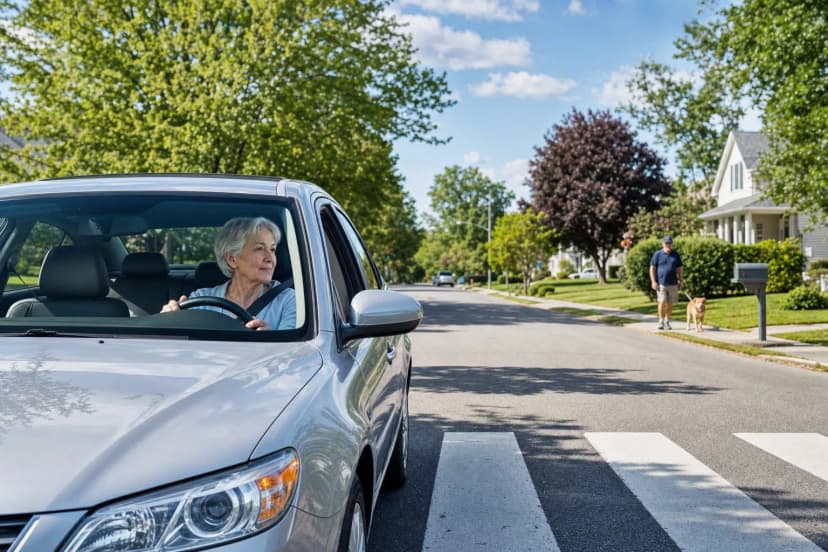
Traditional transverse crosswalks, consisting merely of two parallel white lines, suffer from rapid degradation and remarkably poor visibility, especially at night, during heavy rain, or from the low seating position of modern sports cars. Upgrading intersections to High-Visibility Crosswalks (HVCs) utilizing ladder, continental, or thick bar-pair patterns painted with highly durable, highly reflective inlay or thermoplastic tape significantly improves driver recognition distance.
The Federal Highway Administration reports that deploying high-visibility crosswalks systemically can reduce pedestrian injury crashes by up to 40%. When this marking upgrade is combined with "daylighting"—the low-cost practice of painting the curbs near the intersection red to legally prohibit parking and utilizing physical barriers like plastic bollards, bike corrals, or heavy concrete planters to physically prevent illegal parking—the critical sightlines for both approaching drivers and waiting pedestrians are instantly restored.
Systemic Signage and Pavement Marking Upgrades
For unsignalized, rural, or suburban stop-controlled intersections, devastating crashes frequently occur simply because the driver fails to cognitively recognize the presence of the intersection or the stop sign in time to initiate a braking sequence. The FHWA strongly advocates for the systemic application of multiple low-cost countermeasures on the approaches to these specific intersections.
This protocol involves installing doubled-up (left and right side), oversized "Stop Ahead" warning signs, applying bright retroreflective sheeting directly to the vertical signposts to maximize nighttime illumination, and laying down enhanced pavement markings and transverse rumble strips to provide loud, tactile auditory feedback to speeding, inattentive drivers. Implementing these basic visual and tactile upgrades systemically yields a proven 10% reduction in fatal and injury crashes overall, and a remarkable 27% reduction at high-speed rural intersections. With a typical implementation cost ranging from just 1,000 to 10,000 per intersection, this strategy boasts an exceptional average benefit-to-cost ratio of 12:1, ensuring taxpayer funds are utilized efficiently to save lives.
Table 2: FHWA Low-Cost Countermeasure Effectiveness & Cost Comparison
| Proven Safety Countermeasure | Target Intersection Environment | Specific Safety Issue Addressed | Estimated Crash Reduction Factor (CRF) | Avg. Implementation Cost Range |
|---|---|---|---|---|
| Leading Pedestrian Interval (LPI) | Signalized Urban/Suburban grids | Pedestrian & turning vehicle conflicts |
Up to 60% reduction in pedestrian crashes |
< $1,000 (Primarily Software timing) |
| High-Visibility Crosswalks (HVC) | Uncontrolled & Signalized mid-blocks | Poor pedestrian visibility & yielding |
Up to 40% reduction in pedestrian crashes |
Low (Thermoplastic tape/paint) |
| Systemic Signage & Tactile Markings | Stop-Controlled (especially Rural) | Recognition of stop location/intersection |
10% (Overall); 27% (Rural environments) |
1,000 - 10,000 per intersection |
| Road Diets (Lane Narrowing) | Wide Arterials & "Stroads" | Excessive vehicular speeding |
Varies; induces natural traffic calming |
Low to Medium (Repainting/Bollards) |
| Roundabout Conversion | Multi-Lane high-speed Intersections | Severe right-angle (T-bone) and left-turn crashes |
69% (Single-lane); 25% (Multi-lane) |
Higher Cost (Capital project), Maximum Impact |
Road Diets, Narrowing, and Traffic Calming
The most potent, biologically effective countermeasure against excessive vehicular speed is the implementation of physical spatial constraints. Wide, 12-foot travel lanes implicitly and psychologically signal to drivers that it is safe to travel at highway speeds, regardless of the posted limit. Communities can fiercely advocate for "Road Diets" or systemic lane narrowing.
By simply repainting the surface lines to reduce travel lane widths from 12 feet to a more restrictive 10 feet, engineers encourage drivers to naturally lower their operating speeds to maintain perceived safety. The reclaimed asphalt space can then be actively utilized to paint dedicated, protected bicycle lanes, widen central pedestrian refuge islands, or install corner curb extensions (bulb-outs). Curb extensions physically narrow the intersection crossing, drastically shortening the exposure time pedestrians must traverse while simultaneously forcing drivers to execute right turns at much slower, tighter, and highly deliberate speeds. In a broader sense, this is part of a 2026 shift where neighborhoods, not just DOTs, lead the push for safer roads using data and community tools.
The Roundabout Revolution: Eliminating Conflict Points
While slightly higher in capital cost than rapid paint-and-post tactical solutions, converting hazardous, traditional 90-degree intersections into modern roundabouts represents the absolute gold standard in physical safety engineering. Roundabouts eliminate the most lethal crossing conflict points entirely by introducing forced horizontal deflection. Drivers are physically forced to decelerate to navigate the circular path, ensuring that if a collision does inevitably occur, it happens at a low, survivable speed and a glancing, oblique angle, rather than a devastating, high-speed right-angle impact.
The Ohio Department of Transportation conducted a massive, multi-year analysis of 76 intersections that had been permanently converted to roundabouts. The resulting data proved unequivocally that single-lane roundabouts decreased severe injury crashes by a massive 69%, while multi-lane variations achieved a highly significant 25% reduction. At specific high-risk locations with a dark history of repeated fatalities, the permanent installation of a well-designed roundabout virtually eliminated deadly crashes entirely, proving that intelligent infrastructure design is the ultimate cure for intersection mortality.
Conclusion
The ongoing safety and survivability of modern roadways relies heavily on a dedicated, dual-pronged approach: the reactive, educated vigilance of the community and the proactive, data-driven implementation of safe infrastructure. When bystanders witness a severe motor vehicle crash, their immediate actions carry immense, life-or-death weight. By strictly prioritizing physical scene safety, providing rapid, highly accurate locational information to emergency medical services to beat the 17-minute golden time, and meticulously documenting the scene with objective tools like smartphone cameras and dashcams, bystanders directly impact trauma survival rates and ensure strict legal accountability. However, this immense power must be wielded responsibly. Yielding to the psychological temptation of social media oversharing severely jeopardizes legitimate civil legal claims, provides ammunition to defense attorneys, and callously violates the privacy of traumatized victims.
Simultaneously, the rising, deadly tide of hit-and-run collisions demands a rapid transition away from performative digital posting and toward actionable, secure "Human Media™." Utilizing encrypted driver-to-driver communication networks and localized, privacy-focused alert systems harnesses the ubiquity of modern smartphones to build a highly effective digital neighborhood watch, fundamentally altering how communities protect their most vulnerable members without relying on invasive state surveillance. When combined with smarter vehicles and connected infrastructure, as described in analyses of software-defined safety features and V2X tech, this ecosystem lets everyday drivers become true guardians of their streets.
Ultimately, however, the most effective, successful crash response is the crash that is engineered to never happen. By recognizing and exposing the fatal geometric flaws of the ten most dangerous intersection patterns—from sprawling, high-speed arterials to unforgiving, highly skewed crossings—communities can hold municipal planners and elected officials accountable. Armed with the irrefutable, peer-reviewed data supporting the life-saving efficacy of Leading Pedestrian Intervals, high-visibility crosswalks, systemic tactile warnings, and roundabouts, local advocates possess the exact blueprint required to demand streets that prioritize fragile human life over sheer vehicular velocity.
Equip yourself with the knowledge to document safely, the tools to stay securely connected, the courage to report dangerous conditions, and the data to protect your community's infrastructure. Embrace the shift from passive observation to real-world accountability by using targeted tools to report dangerous drivers and push for fixes at your own intersections. Download the app to stay connected at carszy.com.