The ‘Driven’ Paradigm: Why the Future of Car Culture Is Authentic, Safe, and Community-Led
We used to look at cars as status symbols. We’d flip through glossy magazines or scroll past perfectly filtered Instagram photos of supercars in Dubai, thinking that was "car culture."
But in 2026, the vibe has shifted. The glossy veneer has cracked, and something much better has grown in its place. We are entering the era of the ‘Driven’ Media Model.
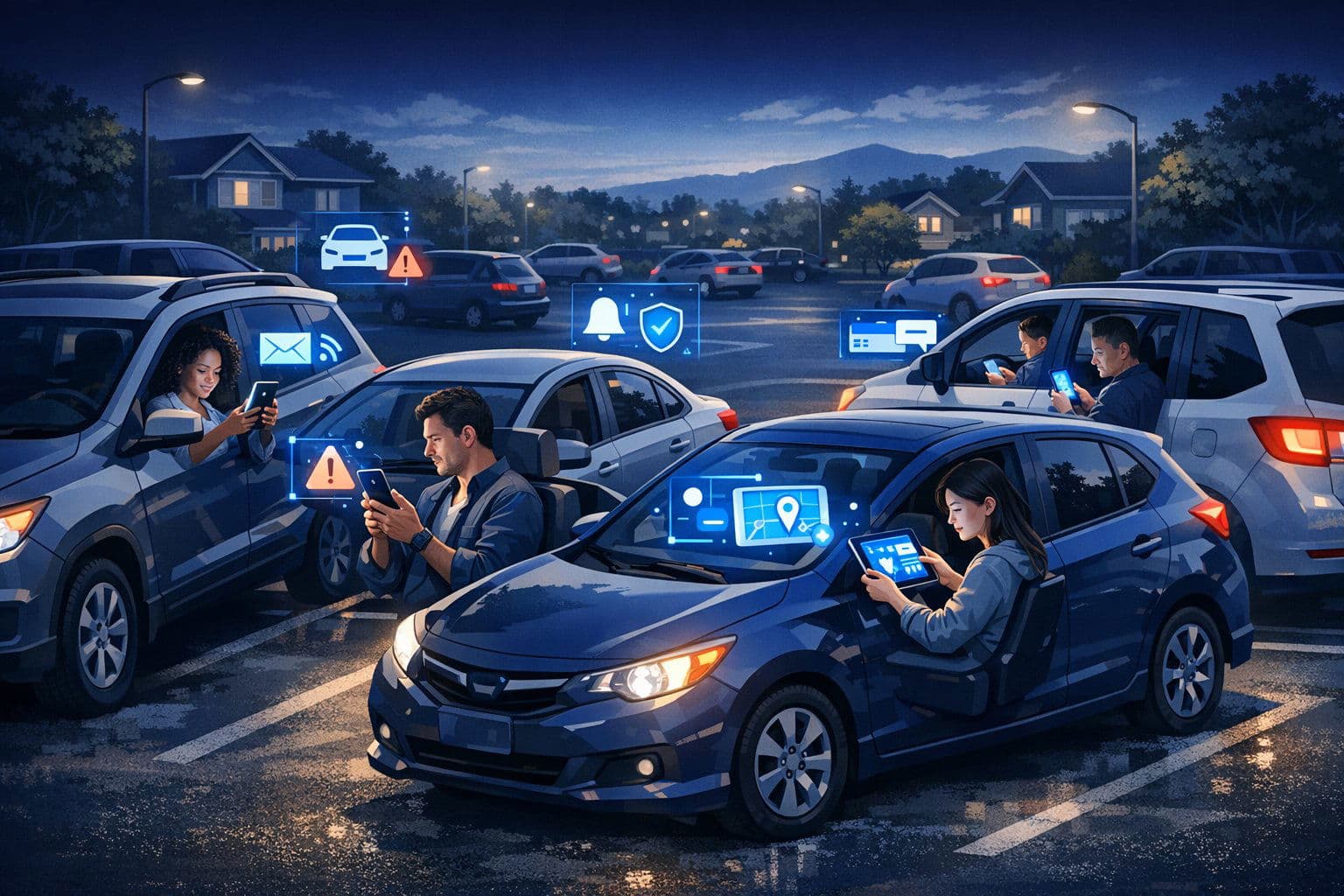
Drivers today—whether they are commuting parents, neighborhood watch leaders, or gearheads—are tired of the noise. They are flocking to niche, high-authenticity platforms that offer more than just pretty pictures. They want utility, they want safety, and most importantly, they want the truth.
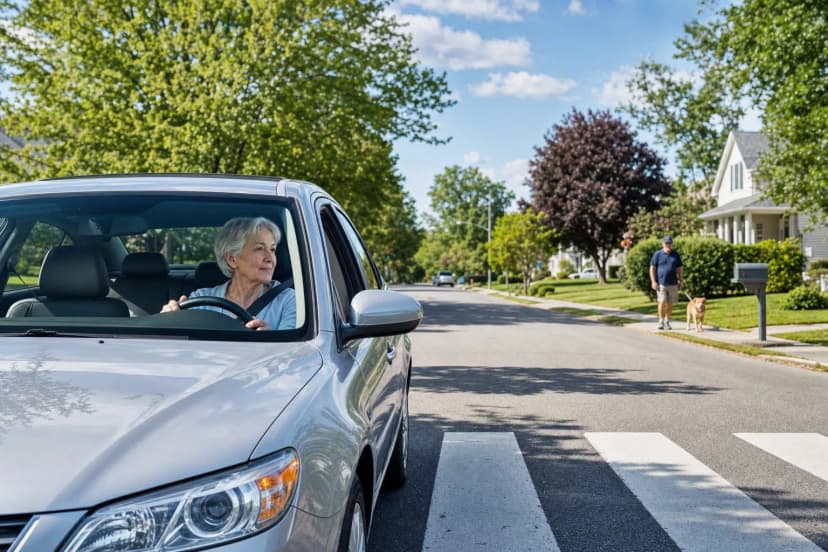
Here is why general social media is losing its grip on the automotive world, and how specific, community-focused ecosystems are winning by putting safety and reality first. If you want to see how this plays out on real streets, our breakdown of community-led road safety interventions in 2026 shows exactly how local drivers are starting to shape safer neighborhoods.
1. The ‘Driven’ Media Model: Why Niche Wins
General social networks are designed for doom-scrolling. Niche automotive platforms are designed for doing.
In the ‘Driven’ paradigm, the platform isn't just a place to waste time; it’s a tool in your glovebox.
- High Authenticity: Users aren't looking for algorithms to feed them viral dances; they are looking for real advice on winter tires, child seat safety, or avoiding a dangerous intersection. That’s also where new tech like software-defined vehicles and V2X road-safety systems fit in—turning everyday cars into live sensors that keep communities informed.
- Utility First: The value proposition has shifted from "Look at me" to "Help me." Platforms that offer features like License Plate Messaging—allowing you to tell a stranger they left their lights on—create a sticky, loyal user base because they solve real-world problems.

2. Authenticity Over Polish: "Owners in the Wild"
The days of the million-dollar car commercial featuring a vehicle gliding on an empty road are numbered. Nobody believes them anymore.
Trust is now built by "owners in the wild." We trust the shaky smartphone video of a mom showing how easy (or hard) it is to load groceries into a hatchback over a polished manufacturer ad—or a quick clip from an AI-powered dashcam acting as a real-world co‑pilot and witness when something unexpected happens.
The Trust Hierarchy in 2026
| Content Type | Credibility | Engagement | Why? |
|---|---|---|---|
| Manufacturer Ad | Low | Passive | Feels manufactured and unrealistic. |
| General Influencer | Medium | High (Vanity) | Entertaining, but often paid/scripted. |
| Community UGC | High | Active | Real-time, raw, and relatable (e.g., "This road is flooded, avoid it!"). |
This shift is why we champion Human Media™ at Carszy. It’s about moving away from "social media" vanity metrics and toward content that has real-world impact, like reporting a reckless driver or reuniting a lost pet with its owner via their plate number. The same human-first approach powers our guides on how to safely report road rage and dangerous driving so your posts and clips actually help people instead of just going viral.
3. Creator Partnerships for Safety Advocacy
Influencer marketing used to be about selling products. Now, it’s about selling behaviors.
Forward-thinking brands are partnering with creators not just to pose with cars, but to model safe driving habits. We are seeing a new wave of "Safety Influencers"—mechanics, ex-cops, and professional drivers—who use their platforms to teach defensive driving, explain new tech features, or even walk through how modern connected vehicles prevent crashes before they happen.
Turning Influence into Outcomes:
- The Campaign: instead of "Buy this dashcam," the message is "Here is how to use VOIS™ (Vehicle of Interest Search) to help find a missing child," or how to pair it with an AI dashcam that can flag near-misses and incidents automatically.
- The Metric: We measure success not by "likes," but by "alerts sent" or "hazards avoided." When a creator encourages their audience to look out for a specific stolen vehicle, and the community actually finds it, that is the ultimate ROI.
4. UGC as the Growth Engine: Incentivizing the "Good Citizen"
User-Generated Content (UGC) is the lifeblood of the 'Driven' model. But how do you get people to contribute useful data rather than just noise?
You have to design incentive programs that reward Civic Value.

- Gamification of Safety: Just as Waze gamified traffic reporting, modern safety platforms reward users for verified reports of hazards, road rage incidents, or Amber Alert sightings. In a true ‘Driven’ ecosystem, these rewards also plug into neighborhood-focused safety tools and civic tech, so every report strengthens the wider community.
- Quality over Quantity: The algorithm favors "high-signal" content. A video of a dangerous pothole that saves someone a flat tire is worth 1,000x more than a photo of a clean rim.
By rewarding these actions, we build a reporting ecosystem where the community self-polices and self-protects. It turns every driver into a potential hero, especially when combined with tools like AI dashcams that surface near-misses and close calls you might otherwise ignore.
5. Community Forums + Premium Content: The Sustainability Model
How do these platforms survive without selling user data to the highest bidder? They monetize enthusiast culture.
The "Freemium" model in 2026 looks like this:
- The Public Square (Free): Essential safety features, hazard reporting, and community alerts. Safety should never be paywalled, whether you’re flagging aggressive road rage behavior to the police or warning neighbors about a sudden hazard in your area.
- The Club (Premium): Deep-dive content, exclusive forums for specific car models, advanced analytics on your driving habits, or priority access to marketplace deals.
This approach maintains credibility. Users know that the safety tools are there for the public good (supported by the platform's mission), while the fun, enthusiast stuff keeps the lights on. It respects the user as a citizen first and a customer second—and mirrors the way future-ready vehicle tech is being built around people, not just profit.
Conclusion: The Road is Better Together
The 'Driven' media model proves that we are done with the era of passive consumption. We want to be involved. We want our screen time to result in safer streets, protected neighborhoods, and genuine connections with fellow drivers.
Whether it’s using License Plate Lookup to warn a neighbor about a tow truck or following a creator who teaches you how to handle hydroplaning, the future of automotive media is helpful, human, and highly connected. And as new tools—from AI dashcams to community safety dashboards—keep evolving, everyday drivers will have more power than ever to look out for one another.
Ready to join the 'Driven' community?
Stop scrolling and start connecting. Download Carszy today to become an active part of the solution—connecting with drivers, protecting your family, and making the roads safer for everyone.
Frequently Asked Question
Q: Isn't a "niche" app just an echo chamber? Why not just use Twitter/X or Facebook for safety alerts?
A: Great question. The problem with general social media is the Signal-to-Noise Ratio. A critical safety alert about a hit-and-run in your neighborhood can easily get buried under viral videos, political arguments, and ads.
A niche platform like Carszy is purpose-built for the road. When you get a notification, you know it’s relevant to your driving or your local safety. Furthermore, general social media relies on names/profiles; our system uses License Plates, which is the only piece of information you usually have when you see an incident on the road. It connects the data to the vehicle, making the alert actionable and precise—and when combined with tools like structured road-rage reporting and community-led safety mapping, it becomes a powerful way to keep your area safer, together.