After a Fender Bender: What to Do (and What Not to Say) to Protect Liability and Community Safety
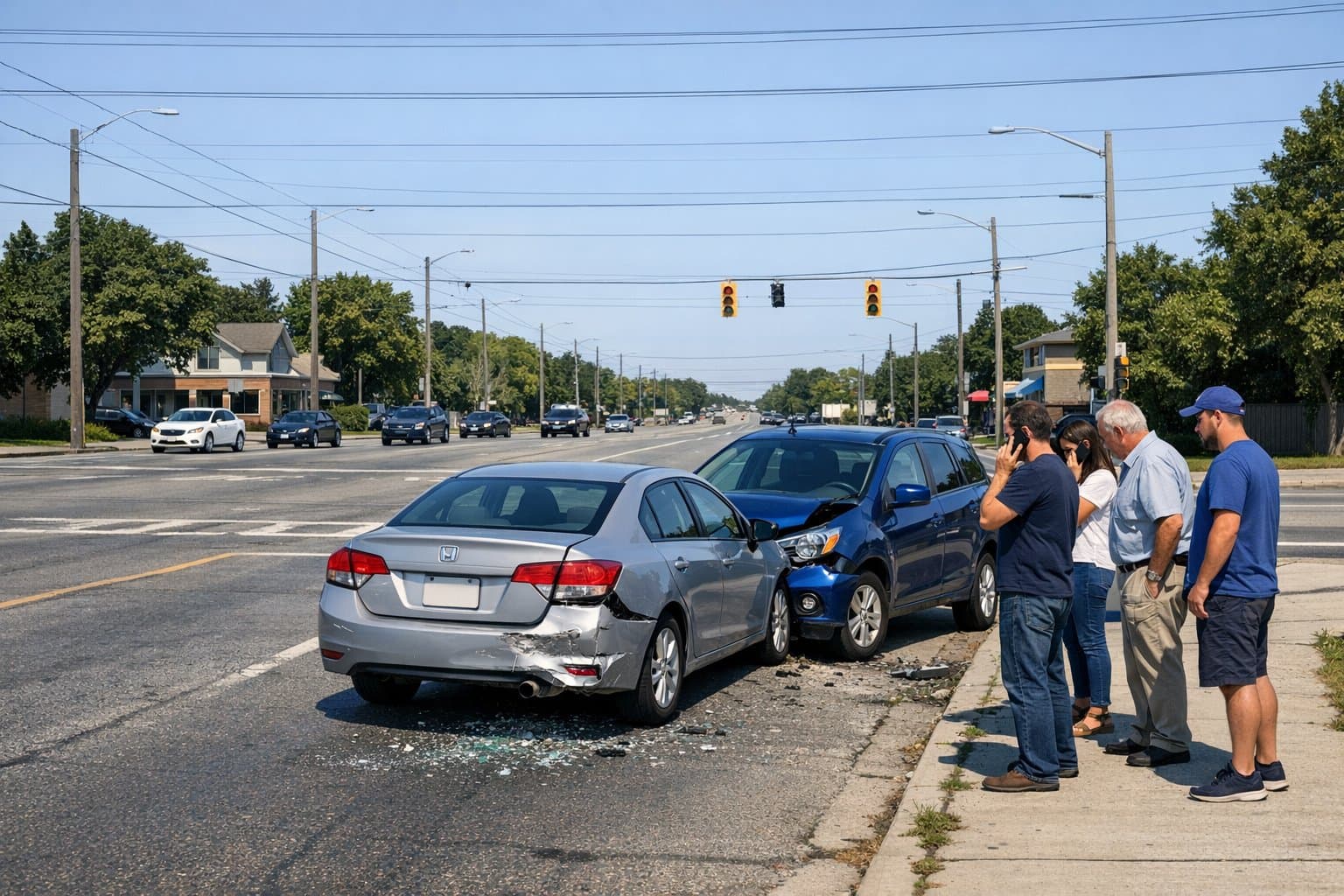
The moments following a vehicular collision are defined by sensory and cognitive chaos. Metal crumples, glass shatters, and the human body is subjected to violent kinetic forces it was never evolved to withstand. Even in a seemingly minor fender bender, the sudden deceleration triggers a massive, involuntary physiological response. As adrenaline and cortisol flood the bloodstream and the sympathetic nervous system initiates a "fight or flight" protocol, logic and rational thought frequently take a back seat to raw instinct. Yet, it is precisely in these disorienting, high-stress minutes that the most critical decisions are made—decisions that dictate legal liability, dictate physical recovery, and ultimately determine financial solvency.
According to the National Highway Traffic Safety Administration (NHTSA), there were more than six million police-reported car crashes on American roads in 2023, meaning that the average American driver will be involved in three to four traffic incidents in their lifetime. Despite the statistical inevitability of experiencing an automobile accident, very few motorists are psychologically, procedurally, or legally prepared for the immediate aftermath.
This comprehensive research report examines the post-crash environment through a multi-dimensional, analytical lens. It dissects the immediate protocols required at an accident scene to preserve life and evidence, outlines the psychological traps that lead to disastrous admissions of legal liability, and explores the systemic infrastructure failures that cause these collisions in the first place. By understanding the ten most dangerous intersection design patterns and the low-cost engineering fixes that communities can advocate to mitigate them, safety-conscious parents, neighborhood watch leaders, and everyday commuters can shift from being reactive victims to becoming proactive champions of road safety. For a deeper dive into how intersection design drives crashes, see our analysis in Reducing Road Collisions: Strategies for Safer Communities.
Furthermore, this analysis explores how modern telematics, crowdsourced data, and innovative driver-to-driver communication platforms are revolutionizing emergency response times and community accountability. By leveraging modern technology to seamlessly connect the driving community, the roadway can transition from a space of isolated vulnerability to an ecosystem of mutual protection. If you want to understand how your own vehicle can become a rolling safety sensor, How Software-Defined Vehicles Transform Road Safety in 2026 offers a practical, tech-focused companion guide.
Part I: The Physiology and Protocol of a Fender Bender
The first systemic error most drivers make is assuming that a "minor" impact requires a minor, casual response. The reality is that the immediate physical scene of an automobile collision is a highly volatile and dynamic environment. Secondary crashes—where approaching vehicles fail to recognize the hazard and strike the disabled cars or the pedestrians standing around them—are a leading cause of severe, fatal injury on highways and arterial roads. Therefore, a structured, emotionless, and rigorous protocol must be followed to ensure the preservation of life, the securing of the scene, and the documentation of legal evidence.
Phase 1: Self-Preservation and Scene Management (Minutes 0–5)
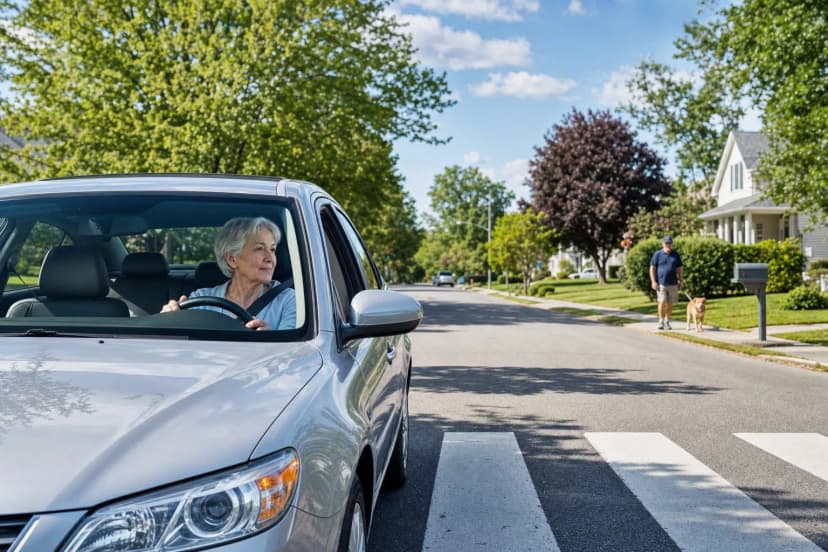
The initial phase of post-crash response requires strict adherence to self-preservation protocols. First, motorists must remain calm and systematically assess their own physical condition and that of all other occupants within their vehicle. This immediate triage is especially important for older drivers, as the NHTSA notes that motorists aged 70 and above are at a statistically higher risk for serious internal injury in an accident due, in part, to the greater fragility of bones, muscles, organs, and significantly slower recovery rates.
If any injuries are apparent, or if there is an immediate environmental hazard such as a vehicle fire, leaking fuel, or downed power lines, calling 911 for emergency medical services (EMS) and fire rescue is the absolute first priority. Emergency dispatchers must be informed of the exact location, the number of vehicles involved, and the perceived severity of injuries to ensure the correct allocation of emergency resources.
If the vehicles are operable and there are no catastrophic injuries that require patients to remain immobilized, the vehicles must be moved out of the active flow of traffic. Leaving a vehicle in a live lane of traffic under the misconception that it is necessary to "preserve the scene for police" is a highly dangerous myth that frequently results in secondary, high-speed rear-end collisions. Motorists should steer to the shoulder, a nearby parking lot, or a well-lit side street, activate hazard lights, and deploy emergency flares or reflective triangles if they are available in the vehicle's emergency kit.
Phase 2: The Documentation Masterclass (Minutes 5–15)
Once physical safety is secured and vehicles are removed from immediate danger, the transition to rigorous documentation begins. The modern smartphone is the most powerful tool a driver possesses post-crash. However, taking a few shaky, poorly lit photographs of a dented bumper is entirely insufficient for insurance adjusters, law enforcement, and accident reconstruction experts. Comprehensive documentation requires a systematic, investigative approach.
Motorists must begin with macro photography, capturing the entire scene from a distance to show the final resting positions of the vehicles, weather conditions, the presence of skid marks, and relevant traffic control devices such as stop signs or traffic lights. Next, mid-range shots should document the structural vehicle damage, followed by close-up shots of specific impact points, paint transfers, and shattered glass.
Crucially, clear photographs of the license plates and Vehicle Identification Numbers (VIN) of all involved vehicles are mandatory. In the event of a hit-and-run, or if a driver later provides false or expired insurance information, the license plate serves as the sole definitive identifier for law enforcement and insurance subrogation. Furthermore, drivers must document contextual variables: visual obstructions, such as overgrown foliage, poorly parked delivery trucks, or malfunctioning streetlights, which may have contributed to the crash and can be used to establish shared liability.
Phase 3: Information Triage and Witness Wrangling (Minutes 15–30)
Exchanging information is legally required in every state jurisdiction, yet the process is often fraught with interpersonal tension, anger, and confusion. Motorists should obtain the other driver's full name, address, phone number, insurance provider, policy number, and driver's license number.
Equally important, yet frequently neglected in the chaos of the moment, is securing independent witness information. Witnesses are notoriously fleeting; they will often stop briefly to ensure no one is bleeding profusely and then quietly drive away to avoid getting involved. Securing a witness's name and phone number immediately can be the deciding factor in a disputed liability claim where both drivers offer conflicting accounts of a red light or right-of-way violation.
In an era where driver isolation is high and sharing personal cellular numbers with an agitated stranger can feel unsafe, modern technological platforms facilitate secure information exchange. By utilizing license plates as unique identifiers, drivers can communicate securely to share digital insurance cards, photographs, and witness accounts without necessarily exchanging personal phone numbers, thereby protecting user privacy. For a step-by-step checklist on safely gathering this evidence as a bystander or victim, see Witnessed a Crash? Your Smart, Life-Saving Bystander Playbook.
Phase 4: Institutional Engagement and Formal Reporting
Following the on-scene documentation and information exchange, formal institutional reporting must commence. Law enforcement should be contacted; however, in many major municipalities and metropolitan areas facing staffing shortages, police dispatchers may refuse to send a unit for a non-injury accident where the vehicles are drivable and no public property is damaged. If officers do arrive, drivers must provide a factual account of the event, obtain the responding officer's name, badge number, and request a copy of the official police report or the report number.
Subsequently, motorists must notify their insurance agent or carrier promptly. Failing to report an accident within the strict timeframe specified in the insurance policy's terms and conditions can result in an outright denial of coverage. Finally, many state transportation departments require drivers to file an independent accident report with the Department of Motor Vehicles (DMV) or the Department of Transportation (DOT) within a matter of days if the estimated property damages exceed a certain monetary threshold (often $1,000) or if any bodily injury occurred.
| Phase | Core Action Items | Crucial Mistakes to Avoid |
|---|---|---|
| 1: Self-Preservation | Assess injuries, call 911 if needed, move vehicles out of active traffic lanes. | Leaving a drivable vehicle in a live lane; ignoring signs of internal injury. |
| 2: Documentation | Photograph scene from wide to close-up, capture license plates, IDs, and insurance cards. | Only taking close-ups of damage; failing to photograph the intersection layout. |
| 3: Information Triage | Exchange contact info securely, aggressively identify and secure witness phone numbers. | Arguing with the other driver; letting witnesses leave without getting their details. |
| 4: Formal Reporting | File police report, notify insurance promptly, file state DMV reports if required. | Delaying insurance notification; failing to secure the officer's badge/report number. |
Part II: The Vocabulary of Liability: What Never to Say
While knowing exactly what to do is critical for physical safety, knowing exactly what not to say is arguably more vital to the preservation of a driver's legal rights, injury claims, and long-term financial stability. Human beings are socially conditioned to be polite, accommodating, and conversational as a mechanism to de-escalate tension. In the context of a motor vehicle accident, this ingrained social conditioning transforms into a severe legal liability.
Insurance companies are profit-driven entities. Claims adjusters and defense attorneys are highly trained professionals who meticulously analyze every utterance made by a driver at the scene, to the responding police officers, and on recorded phone lines, seeking any justification to minimize payouts, shift blame, or completely deny a legitimate claim. Learning to stay calm, recognize risky driver behavior, and document it clearly—as outlined in Understanding Road Rage, Recklessness, and Insurance Tips—can make these conversations far less dangerous.
The "I'm Sorry" Trap
The single most dangerous phrase a driver can utter after a collision is a simple, reflexive apology. In the heat of the moment, a driver might say, "I'm sorry, I didn't see you," or "I'm sorry this happened," intending only to express human empathy for a stressful and inconvenient situation. However, in the brutal realm of civil litigation and insurance claims, an apology is routinely interpreted and documented as a direct admission of guilt.
This dynamic is particularly devastating in states governed by comparative fault laws. For example, under the Texas Civil Practice and Remedies Code § 33.001, if a driver is found to be 51% or more at fault in a crash, they are entirely barred from recovering any damages. Even if they are only partially at fault, their financial compensation can be heavily reduced by their assigned percentage of blame. Insurance adjusters will weaponize an innocent, on-scene apology to shift the balance of fault, arguing that the driver explicitly accepted responsibility for the crash. Instead of apologizing, drivers must remain polite but strictly factual. Check if everyone is safe, show basic human concern, but let the physical evidence and professional investigators determine fault.
The Illusion of the Uninjured Body
Another critical error is instinctively stating, "I'm not hurt," or "I'm fine" immediately after the impact. In the immediate aftermath of a crash, the human body is flooded with adrenaline and endorphins, which act as highly effective natural painkillers. This neurochemical cocktail effectively masks the symptoms of severe trauma, allowing individuals to walk around the accident scene feeling completely uninjured.
Many common automotive injuries, such as whiplash, concussions, traumatic brain injuries (TBIs), and deep soft tissue trauma, have a significantly delayed onset. The Centers for Disease Control and Prevention (CDC) notes that symptoms for these conditions may take hours or even days to manifest. If a driver explicitly tells the police or the other driver's insurance company that they are uninjured, and then visits the hospital two days later with severe cervical spine pain or neurological symptoms, the insurance company will use that initial statement to argue that the injuries were not caused by the accident, or that the claimant is fabricating the injury for financial gain. The correct response regarding physical condition is always neutral: "I am still assessing my condition," or "I will be seeking a medical evaluation."
Speculation and the "Foggy Brain" Phenomenon
Accident scenes are inherently chaotic, and human memory is notoriously unreliable under acute stress. Drivers should never speculate about how the accident happened, guess the speed they were traveling, or attempt to estimate the distance of the other vehicle. Providing layman estimates regarding the nature of complex vehicle damage or the extent of unseen medical injuries is equally hazardous. Facts should be stated plainly and concisely: "I was traveling northbound on Main Street, and the other vehicle entered the intersection."
Furthermore, drivers must categorically decline requests from the opposing insurance company to provide an official, recorded statement in the days immediately following the crash. Concussions, sleep deprivation, and the psychological shock of the collision create a well-documented "foggy brain" effect. This leads to inconsistent statements, misremembered details, and accidental admissions that defense attorneys will exploit ruthlessly in court. Drivers have the absolute right to consult with legal counsel before giving any recorded statements to adverse insurance carriers.
Finally, individuals should never agree to an early settlement offer or discuss specific monetary figures without professional guidance. Insurance companies often rush to offer a fast, low-ball check within 48 hours of a crash. These offers are strategically designed to close the claim permanently before the full extent of long-term medical costs, physical therapy needs, and vehicle depreciation are fully realized.
| Phrase to Avoid | Why It Is Dangerous | Recommended Alternative |
|---|---|---|
| "I'm so sorry." | Interpreted as a legal admission of guilt and fault. | "Are you okay? Let's exchange our insurance information." |
| "I'm completely fine." | Adrenaline masks injury; ruins future medical claims. | "I'm shaken up. I'll be seeking a medical evaluation." |
| "I think I was going 45 mph." | Speculation creates binding testimony that can be used against you. | "I was driving the speed limit." or "I prefer not to guess." |
| "Sure, you can record this call." | Traps drivers in "foggy brain" inconsistencies. | "I am not providing a recorded statement without counsel." |
| "I will accept that check." | Closes the claim before all medical bills are known. | "I will not discuss settlement until my treatment is complete." |
Part III: The Scope of the Crisis: US and California Traffic Statistics
Understanding the protocol of a crash requires understanding the statistical magnitude of the problem. While behavioral errors, intoxication, and distracted driving play massive roles in traffic collisions, placing the entirety of the blame on the individual driver ignores a much larger, systemic crisis regarding how American infrastructure is designed and utilized. The United States faces an epidemic of traffic violence that dwarfs other developed nations. Every year, roughly 40,000 people die on American roads—by far the highest rate of any industrialized country in the world.
A staggering 25% of all traffic fatalities and roughly 50% of all traffic injuries occur at intersections. These environments are inherently dangerous because they represent points of intersecting trajectories, conflicting right-of-ways, and compounding kinetic energy.
The Urban-Rural Disparity
Diving deeply into the Fatality Analysis Reporting System (FARS) data reveals a profound geographic disparity. In 2023, out of the 40,901 traffic fatalities nationwide, 41% (16,656 deaths) occurred in rural areas, while 58% occurred in urban areas. However, this raw number is highly misleading without per-capita context. According to the US Census Bureau, only an estimated 20% of the US population lives in rural areas, and rural roads account for only 31% of the total vehicle miles traveled (VMT).
Despite carrying a fraction of the population and traffic volume, rural roads are exceptionally lethal. In 2023, the fatality rate per 100 million VMT was 1.5 times higher in rural areas (1.65) than in urban areas (1.07). Approximately two-thirds of rural fatalities involve roadway-departure crashes, heavily driven by high speeds, lack of lighting, and unsignalized intersections.
| Geographic Area | % of US Population | % of Vehicle Miles Traveled | % of Traffic Fatalities | Fatality Rate per 100M VMT |
|---|---|---|---|---|
| Urban | 80% | 69% | 58% | 1.07 |
| Rural | 20% | 31% | 41% | 1.65 |
California's Collision Landscape
Examining California provides a microcosm of the national crisis. The California Office of Traffic Safety and the Statewide Integrated Traffic Records System (SWITRS) track extensive data that highlights a troubling upward trajectory in road violence. Traffic crash trends in California showed a gradual increase from 2021 through 2024, with total crashes reaching 168,120 in 2024, before showing a slight 5.93% decrease in early 2025 data.
California's largest urban centers account for the overwhelming majority of reported crashes, driven by dense traffic, complex multi-lane intersections, and high commuter volume. Los Angeles leads the state by a massive margin, recording 23,727 crashes in a recent dataset, followed by San Diego (7,153), Sacramento (5,847), San Francisco (5,002), and San Jose (4,995).
The statistics in Los Angeles are particularly grim when measured against municipal policy. In 2015, the city launched the "Vision Zero" initiative, an executive order explicitly designed to eliminate all traffic deaths by 2025 through comprehensive improvements to road design. Instead of progressing toward zero deaths, the city experienced an 85% increase in fatalities since the program's inception, with deaths rising from 186 in 2015 to a staggering 345 in 2023. In 2024 alone, Los Angeles recorded 11,243 total crashes resulting in 302 fatalities, with pedestrian safety representing a severe crisis within the crisis (1,402 pedestrian crashes leading to 158 deaths). This systemic failure points directly to the infrastructure—the design of the intersections themselves. To see how these intersection risks show up in school zones and on everyday commutes, compare this picture with 2026 Pedestrian Safety Crisis and Community Solutions.
Part IV: The Architecture of Collisions: The 10 Most Dangerous Intersection Patterns
The traditional approach to road safety in the 20th century relied on "The Three E's": Education, Enforcement, and Engineering. However, modern urban planners and safety advocates are universally shifting toward the "Safe System" approach. This framework fundamentally recognizes that human beings are fallible and will inevitably make mistakes (distraction, fatigue, misjudgment); therefore, the infrastructure must be proactively designed so that these inherent human errors do not result in severe injury or death.
An analysis of crash data and safety reports reveals that America's streets are often "dangerous by design," engineered primarily to move cars as quickly as possible at the direct expense of keeping human beings safe. The following ten intersection patterns represent the most lethal configurations for drivers, cyclists, and pedestrians.

1. Wide, Multi-Lane Arterial Corridors (Stroads)
Intersections spanning six to eight lanes, ubiquitous in suburban sprawl and commercial retail districts, are highly lethal. Wide, straight lanes subconsciously incentivize drivers to travel at highway speeds, regardless of the posted legal limit. For pedestrians, crossing a multi-lane arterial is a terrifying endeavor; the sheer distance increases physical exposure time, and a slow-moving pedestrian is frequently caught in the middle of the road when the traffic light cycles. According to the "Dangerous by Design" report, these wide corridors are the primary reason the Memphis, TN metro area ranks as the deadliest in the nation, with a rate of 5.14 pedestrian deaths per 100,000 people.
2. The Unprotected Left Turn
Intersections that permit left turns across multiple lanes of oncoming traffic without a dedicated, protected turn arrow (a solid green arrow) rely entirely on human depth perception and velocity estimation. Drivers, feeling the intense social pressure of vehicles stacking up behind them, often attempt to shoot through dangerously small gaps in oncoming traffic. This miscalculation results in severe right-angle (T-bone) crashes. Even worse, drivers looking far down the road for oncoming cars frequently fail to see pedestrians crossing in the parallel crosswalk directly adjacent to them, leading to catastrophic impacts.
3. Skewed Angle Intersections
Standard urban grids feature intersections that meet at crisp 90-degree angles, offering maximum visibility for all approaches. Skewed intersections, where roads meet at sharp, oblique angles, force drivers to look over their shoulders at deep, unnatural angles to spot oncoming cross-traffic. This biomechanical strain creates severe blind spots within the vehicle's pillars. For older drivers with limited cervical spine mobility, these intersections are a nightmare, resulting in exceptionally high rates of angle crashes.
4. High-Speed Transitions Near Freeway Ramps
The juncture where a high-speed freeway off-ramp terminates and merges into a local urban or suburban street is a zone of profound cognitive dissonance. Drivers exiting a freeway suffer from a psychological phenomenon known as "velocitization"—a sensory adaptation where traveling 45 mph feels agonizingly slow after miles of driving at 75 mph. When these off-ramps terminate abruptly at a signaled intersection, drivers routinely fail to accurately gauge their braking distance, causing high-speed rear-end collisions and frequent red-light running.
5. Rural Unsignalized High-Speed Approaches
While urban grids see higher absolute volumes of minor crashes, rural intersections are exponentially more lethal per incident. Roughly 68% of total intersection fatalities occur at unsignalized intersections nationwide. High-speed rural state routes combined with a simple, frequently obscured stop sign for the minor cross-street create a deadly dynamic. Out of every 100 reported angle crashes at these unsignalized intersections, an estimated 1 to 3 fatalities and 5 to 15 serious injuries occur. The immense kinetic energy transferred during a 60 mph side-impact guarantees massive intrusion into the passenger cabin.
6. Intersections Lacking Pedestrian Refuges
When a crossing distance exceeds four lanes of traffic, the absence of a raised concrete median or pedestrian refuge island drastically increases fatality rates. Without a physical refuge, a pedestrian who begins crossing late in the signal cycle, or an elderly individual who simply walks slower than the engineered crossing time allows, is stranded entirely unprotected in the direct path of multi-ton vehicles accelerating off a green light.
7. Limited Visibility and "Blind" Corners
Intersections where sightlines are heavily obscured by legally parked oversized vehicles, overgrown municipal vegetation, large utility boxes, or sharp topographical curves prevent drivers from seeing cross-traffic until the nose of their vehicle is already protruding into the active intersection. This forces a dangerous "creep and peek" maneuver that frequently ends in front-end clipping and side-impact collisions.
8. Long Signal Cycles
Traffic engineering that prioritizes maximum vehicle throughput often implements very long signal cycles (sometimes exceeding two full minutes). This design induces severe psychological frustration. Pedestrians, tired of waiting on hot, exposed corners, will often attempt to jaywalk against the light. Similarly, drivers facing a long red light are highly motivated to speed up and "beat the yellow," turning the intersection into a high-speed, unpredictable collision zone.
9. Lack of Turn Lanes on High-Speed Roads
When a rural or suburban intersection lacks dedicated left- or right-turn deceleration lanes, turning vehicles must slow down drastically in the primary travel lane. Drivers following behind at highway speeds, particularly in heavy vehicles or commercial semi-trucks, often fail to recognize the rapid deceleration of the vehicle ahead in time, leading to devastating, high-kinetic-energy rear-end crashes that push the turning vehicle into oncoming traffic.
10. The Slip Lane (Channelized Right Turn)
Slip lanes allow vehicles turning right to bypass the main intersection via a sweeping curve, separated from the intersection by a painted or raised triangular island. Because the curve is gentle and wide, drivers rarely come to a complete stop or slow down significantly. This design is highly dangerous for pedestrians and cyclists, who must cross the slip lane while the driver is physically looking left over their shoulder for a gap in traffic, completely ignoring the crosswalk directly in front of their bumper. For a human-centered view of how these dangerous intersection types affect people walking and biking, explore Pedestrian and Cyclist Safety: A Human-Centric Approach.
Part V: Engineering Survival: Low-Cost Fixes for Community Advocacy
Recognizing the dangers of systemic infrastructure is only the first step; mobilizing communities to demand data-driven change is the critical follow-through. City transportation officials, guided by the principles of Vision Zero and the National Association of City Transportation Officials (NACTO), possess the tools to reverse this crisis.
Neighborhood watch leads, protective parents, and community advocates do not need to wait for multi-million-dollar federal infrastructure bills to effect localized change. A vast array of low-cost, high-impact safety countermeasures exists today. The Federal Highway Administration (FHWA) evaluates these treatments using a rigorous metric called a Crash Modification Factor (CMF). A CMF is used to compute the expected number of crashes after implementing a countermeasure. A CMF below 1.0 indicates a percentage reduction in crashes (e.g., a CMF of 0.85 means a 15% expected reduction, while a CMF of 0.70 means a 30% reduction).
The Power of Daylighting
One of the most effective, least expensive interventions a community can demand is "daylighting." Daylighting involves removing parking spaces immediately adjacent to an intersection corner. By installing red curbs, flexible plastic bollards, or bike racks in the 20 to 30 feet leading up to the crosswalk, visibility is drastically improved. Pedestrians can see oncoming traffic without having to peek around a massive parked SUV, and drivers have a clear, unobstructed panoramic view of the crosswalk. According to the FHWA, when cities limit parking immediately next to intersections, pedestrian accidents can be reduced by 30%.
Leading Pedestrian Intervals (LPI)
A Leading Pedestrian Interval is a remarkably low-cost software timing adjustment that gives pedestrians a 3- to 7-second head start to enter the crosswalk before vehicles in the parallel direction are given a green light. This simple reprogramming of the traffic signal allows the pedestrian to establish their physical presence in the middle of the crosswalk, making them highly visible to drivers attempting right or left turns. Academic studies indicate a staggering 58.7% reduction in pedestrian-vehicle crashes at intersections treated with LPIs, making it one of the most economically justifiable safety strategies available.
Traffic Calming and Geometric Deflections
The Safe System approach emphasizes redesigning roads to physically force drivers to slow down, rather than relying solely on police enforcement and speed limit signs that are routinely ignored.
- Speed Bumps, Humps, and Cushions: Raising the pavement three to four inches forces a vertical deflection that requires drivers to decelerate. Speed cushions are particularly favored by municipalities because they feature wheel cutouts that allow wide-axle emergency vehicles (like fire trucks) to pass unimpeded while slowing standard passenger cars.
- Chicanes and Lateral Shifts: Roadway redesigns that alternate curb extensions from opposite sides create a serpentine, winding pathway. Motorists must negotiate around these fixed objects, physically breaking the long line of sight and forcing deceleration.
- Corner Extensions / Bulb-Outs: Widening the sidewalk at the intersection narrows the roadway, forces drivers to take turns at a much tighter radius (and thus a slower speed), and reduces the total crossing distance and exposure time for pedestrians.
Enhancing Stop-Controlled Intersections
For rural and suburban unsignalized intersections, basic visibility upgrades yield massive dividends in saved lives.
- Transverse Rumble Strips and Pavement Markings: Installing rumble strips across the travel lane prior to a stop sign creates a violent tactile and auditory warning, physically shaking the driver from inattention. Combined with painted "Stop Ahead" pavement markings, this countermeasure is highly proven. Rumble strips boast a CMF of 0.72 (a massive 28% reduction in crashes), while markings yield a CMF of 0.85.
- Systemic Visibility Improvements: Replacing aging traffic signals, installing retroreflective backplates on signal heads, and heavily restriping stop lines is a highly cost-effective strategy. Retroreflective backplates outline the traffic signal in a bright, neon yellow border, significantly reducing red-light running during power outages, blinding sun glare, or nighttime conditions, carrying a CMF of 0.96 for all crash severities.
| Safety Treatment / Countermeasure | Primary Safety Issue Addressed | Crash Modification Factor (CMF) | Typical Implementation Cost |
|---|---|---|---|
| Leading Pedestrian Interval (LPI) | Pedestrian visibility during vehicle turns | 58.7% crash reduction | Low (<$5,000 for signal timing) |
| Transverse Rumble Strips | Recognition of stop-controlled intersection | 0.72 (28% crash reduction) | Low (3,000 - 10,000) |
| Stop Ahead Pavement Markings | Recognition of stop location/intersection | 0.85 (15% crash reduction) | Low (<$5,000) |
| Systemic Signal Visibility Upgrades | Rear-end and angle crashes at signals | 0.96 (4% overall crash reduction) | Low to Moderate |
| Advance Curve Warning Signs | High-speed lane departures at curves | 0.70 (30% crash reduction) | Low |
| Edge Line Rumble Strips | Roadway departures / limited sight distance | 0.78 to 0.90 | Low to Moderate |
When neighborhood watch leaders, civic groups, and parents present this highly specific data to local government—highlighting that a mere $5,000 investment in rumble strips or a software LPI programming change can yield a 30% to nearly 60% reduction in fatalities—city councils, mayors, and traffic engineers are far more likely to approve and expedite the interventions. If you want a practical playbook for turning these low-cost tools into real-world wins, Enhancing Road Safety with Zipper Merge and Community Tools walks through how drivers and neighbors can push for these changes together.
Part VI: Time, Telematics, and Community: Reducing the Golden Hour
While structural redesign is the ultimate long-term goal, collisions will continue to happen in the interim. When they do occur, the single variable that most heavily dictates human survival is time. In emergency medicine and trauma surgery, the "Golden Hour" refers to the critical window immediately following a traumatic injury where prompt medical intervention ensures the highest statistical likelihood of preventing death.
Unfortunately, emergency response times in the United States are not uniform; they vary drastically based on geography, severely penalizing rural residents and marginalized communities.
The Urban-Rural Disparity in EMS Response
Data generated from the National Emergency Medical Services Information System and state agencies reveals a stark, deadly divide. In urban areas, the average EMS response time is approximately 7.02 minutes, while suburban areas average a slightly longer 8.03 minutes. However, in rural communities, average response times climb to 9.74 minutes, with some remote areas experiencing routine delays of 16 to 20 minutes or more before an ambulance arrives on scene.
This delay has devastating consequences for crash survivability. Clinical research demonstrates that just a one-minute increase in EMS notification-to-scene arrival time is associated with a 1% to 5% increase in the fatality rate ratio.

The Role of Telematics and Crowdsourced Data
Bridging this fatal time gap requires a systemic shift from a reactive, voice-based 911-call model to a proactive, data-driven dispatch ecosystem. Historically, dispatch centers relied entirely on a shaken witness or an injured driver finding their phone, realizing their location, and verbally reporting the crash. Today, advanced vehicle telematics and crowdsourced reporting are cutting precious, life-saving minutes from response times.
Machine learning classifiers (such as XGBoost algorithms) and crowdsourced traffic applications (such as Google's Waze) can identify anomalous traffic patterns and aggregate user-generated crash alerts remarkably fast. Academic studies indicate that crowdsourced "crash alerts" appear on digital platforms, on average, two minutes and 41 seconds before the corresponding official highway patrol report is filed. Because it takes EMS units an average of seven to 14 minutes to arrive on scene nationally, this nearly three-minute head start can effectively reduce response delays by up to 60%. This allows trauma surgeons to be notified, diagnostic testing to be prioritized, and blood supplies to be readied prior to the patient even arriving at the hospital.
Advanced telematics platforms, such as RapidSOS, can even transmit the exact kinetic data of the crash—such as delta-V (change in velocity), rollover status, and airbag deployment—directly to dispatchers. This ensures that heavy rescue extraction tools (the "Jaws of Life") and air ambulances are dispatched immediately, rather than waiting for a ground unit to arrive and request them.
Empowering the Community Ecosystem
Technology goes beyond passive data collection and emergency dispatch; it enables active community mobilization. A highly innovative approach to reducing accident trauma, deterring hit-and-runs, and improving overall road safety is the widespread deployment of driver-to-driver communication networks.
Platforms like Carszy represent a paradigm shift in how motorists interact with their environment and each other. By establishing the concept of "Human Media™"—a definitive movement away from the toxicity, vanity, and distraction of traditional social media toward real-world, localized impact—communities can hold each other accountable. Rather than relying solely on underfunded, understaffed police departments to monitor vast arterial networks, everyday drivers become active, vital participants in neighborhood safety. This same Human Media™ model is already being used in places like Orange County; the OC Road Safety Hub: Community Power Using Carszy App shows how local coalitions turn these tools into faster responses and safer streets.
A critical component of this ecosystem is License Plate Messaging. This technology allows drivers to securely text or call others on the road using just a vehicle's license plate number. It serves as a real-time, low-friction alert system for hazards that frequently precede an accident—such as notifying an oblivious driver of a blown taillight, an unsecured load teetering in a truck bed, or a pet left in a hot car. Following a fender bender, it provides a seamless, secure way to exchange insurance details and photos without compromising personal data or exposing personal cell phone numbers to angry strangers.
Furthermore, the integration of VOIS™ (Vehicle of Interest Search) creates a localized, rapid-response dragnet for critical incidents. Hit-and-run crashes, particularly those involving pedestrians left injured in dangerous intersections, are surging across the country. When an Amber Alert is issued, or a hit-and-run vehicle flees the scene of a crosswalk collision, VOIS™ mobilizes the community network instantly. Because traditional law enforcement response times lag, a network of tech-savvy drivers, commuters, and neighborhood watch advocates acting as localized spotters drastically increases the probability of locating the vehicle of interest before it can be hidden. Crucially, because this infrastructure relies entirely on US-based servers, user privacy is rigorously maintained while simultaneously empowering everyday citizens to support law enforcement and EMS effectively. To see how these same tools help communities track near-misses and "almost crashes" before they turn deadly, explore Almost Collided: Inside the Hidden World of Near-Misses.
Part VII: Conclusion and Strategic Next Steps
The chaotic aftermath of a fender bender is a defining moment. It ruthlessly tests a driver's physiological resilience, their legal acumen, and their level of preparedness. By adhering strictly to an emotionless, structured checklist—assessing injuries calmly, securing the scene, documenting evidence from macro to micro, and exchanging information securely—motorists can protect themselves from immediate physical harm and long-term financial devastation. Just as importantly, by mastering the precise vocabulary of liability and refusing to offer apologies, speculate on the causes of the crash, or accept predatory early settlements, individuals safeguard their civil rights against aggressive insurance tactics.
However, individual preparedness at the micro-level is only half the equation. The staggering, unacceptable statistics surrounding national traffic fatalities, particularly the extreme vulnerability of pedestrians in urban environments and drivers on high-speed rural roads, highlight a dire infrastructure crisis. Wide multi-lane corridors, unsignalized high-speed approaches, and unprotected left turns are not merely unfortunate locations; they are institutional design flaws that guarantee a certain level of human carnage.
Communities must move beyond accepting these fatalities as unavoidable "accidents." They are preventable collisions. By understanding crash data and advocating for proven, highly effective low-cost engineering interventions—such as daylighting, leading pedestrian intervals, and transverse rumble strips—neighborhood watch leads, safety-conscious parents, and municipal voters can force the systemic, built-environment changes that save lives. If you’ve recently experienced a close call and want to turn that fear into action, Effective Safety Strategies After Near-Miss Collisions gives you a clear five-step plan.
Finally, as vehicles and roads evolve, the driving community must evolve with them. Shifting from the outdated model of isolated drivers trapped in metal boxes to an interconnected, highly accountable community is the ultimate safety countermeasure. By leveraging crowdsourced data, advanced telematics, and secure driver-to-driver communication platforms, society can reduce emergency response times, track hit-and-run offenders with unprecedented speed, and report dangerous driving behaviors long before they result in a collision. Many of these ideas are part of a broader cultural reset on how we think about cars and responsibility; Drive Real: The ‘Driven’ Revolution in Car Culture explains how this shift turns everyday drivers into true guardians of their streets.
Actionable Next Steps for the Safety-Conscious Driver:
- Prepare a Dedicated Crash Kit: Do not rely on memory. Keep physical emergency flares, a comprehensive medical kit, and a printed post-crash checklist in the glovebox to counter the inevitable "foggy brain" effect of an accident.
- Audit the Daily Commute: Actively identify the 10 dangerous intersection patterns on daily routes—such as blind corners, slip lanes, or unprotected left turns—and consciously adjust travel paths, increase following distances, or reduce driving speeds in these zones.
- Engage in Local Infrastructure Advocacy: Attend city council or municipal transportation meetings. Present the specific, data-backed low-cost Crash Modification Factors (CMFs) outlined in this report to demand daylighting and LPIs at local, high-risk neighborhood intersections.
- Join the Connected Roadway Community: Transition from passive observation to active participation in regional road safety. Download the Carszy app at carszy.com to utilize secure License Plate Messaging, anonymously report dangerous roadway conditions, and participate in the VOIS™ network to keep neighborhoods secure and hold reckless drivers accountable. For more ideas on how entire neighborhoods can plug in and coordinate, see the roadmap laid out in 2026 Road Safety Shift: Community-Led Tech Interventions.