Stay up to date with the latest news, safety tips, and community stories from the Carszy network.
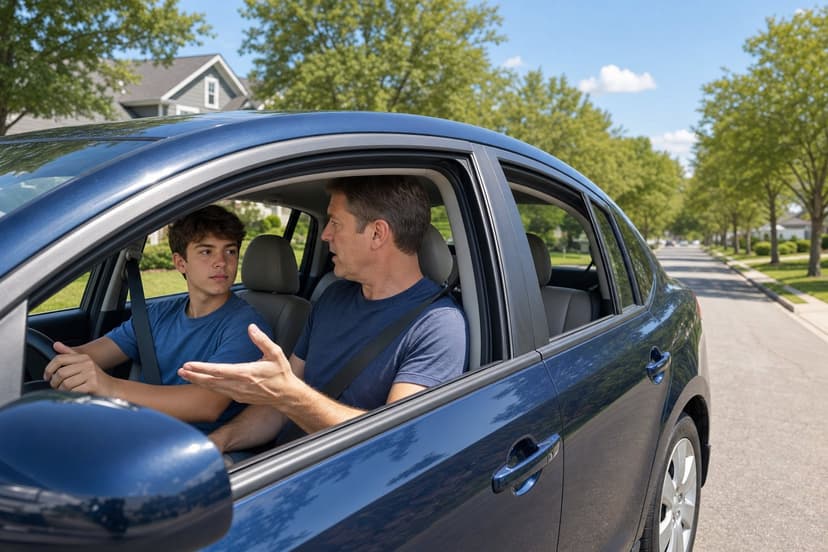
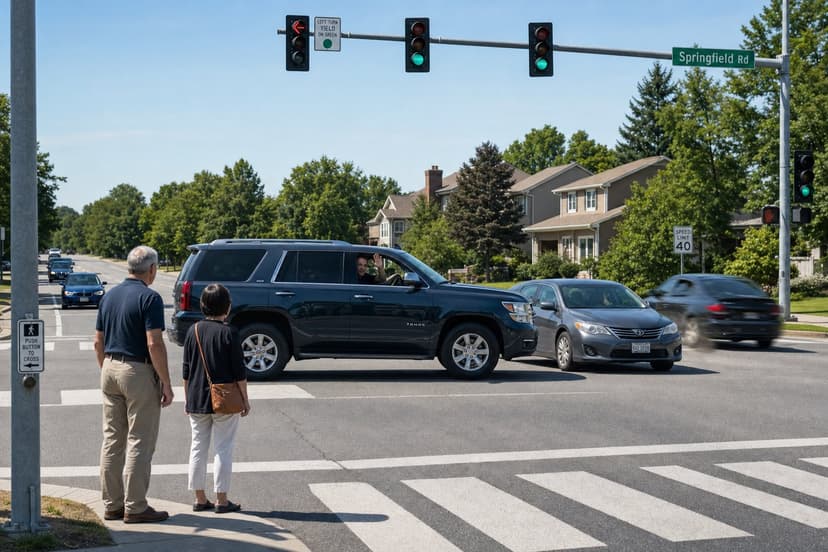
This article argues that near-miss reporting—driver-submitted observations of close calls—can create predictive "Sentiment Heatmaps" that reveal hidden roadway risk, enabling cities, insurers, and autonomy developers to prevent crashes by turning subjective safety into actionable data.
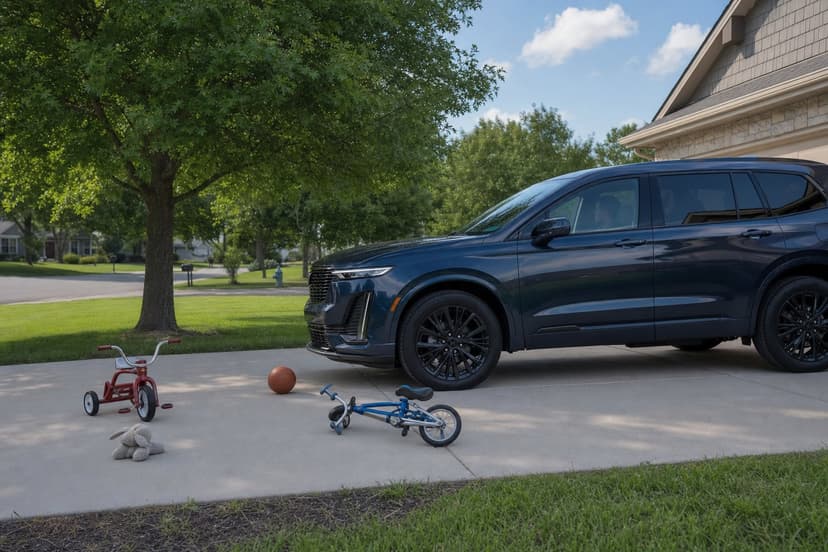
This article explains how combining Rich Communication Services (RCS), device-based geofencing, advanced in-vehicle sensors (60 GHz radar, CO2, camera, BLE) and community license-plate messaging (Carszy/VOIS™) can drastically shorten response times and prevent pediatric and pet vehicular heatstroke by mobilizing nearby “human sensors” within minutes.
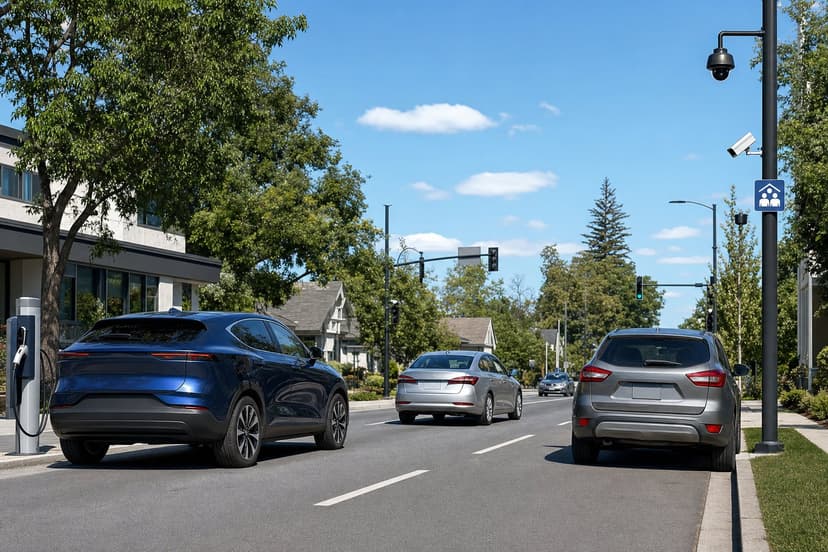
This 2026 analysis explains how Passive Keyless Entry and Start (PKES) systems enabled a surge in relay attacks, reviews technical defenses (Faraday isolation and Ultra-Wideband/ToF), exposes policing response limits, and details how crowdsourced platforms like Carszy’s VOIS™ convert everyday drivers into a human sensor grid for faster stolen-vehicle discovery and recovery.
The article outlines the "Orange County Playbook," arguing that OC's car culture and tech-forward communities make it an ideal launchpad for Carszy's hyper-local reporting ecosystem, combining event-led growth, ambassador programs, QR-to-dashboard funnels, and agency alignment (Vision Zero) to quickly surface hazards, reduce response times, and turn drivers into active road-safety sensors.
The article argues that automotive culture is shifting in 2026 from glossy, status-driven content to a 'Driven' media model: niche, community-led platforms that prioritize authenticity, safety, and utility—leveraging UGC, license-plate features, and creator partnerships to turn drivers into active guardians of the road.
The article explains how modern cars—now software-defined vehicles—are evolving into real-time community safety nodes via V2X, edge computing, OTA updates, HUD/voice reporting and privacy-first data governance, enabling proactive hazard prevention and broader neighborhood protection without compromising driver safety.
The article explains how 2026-era AI dashcams have evolved from passive recorders into edge-AI co-pilots that provide safety assistance, legally verifiable evidence, and community-focused content, enabling near-miss analytics, risk-aware alerts, privacy-first sharing, and fleet-style coaching for consumers.
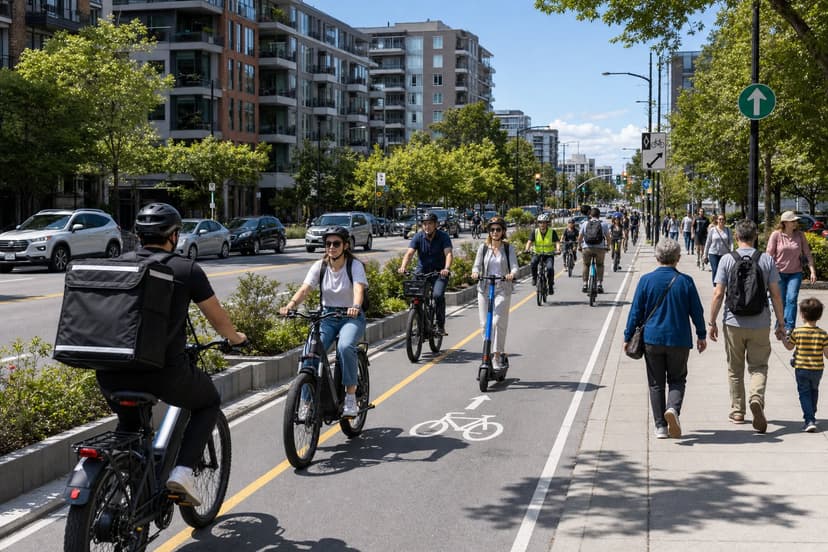
In 2026, Community-Led Traffic Safety (CLTS) turns smartphones into neighborhood operating systems: residents use apps to log sentiment heatmaps, visualize AR overlays, crowdfund traffic-calming, and build compliance-ready evidence vaults to accelerate DOT approvals and enforce community accountability without relying solely on police or slow municipal processes.