Stay up to date with the latest news, safety tips, and community stories from the Carszy network.
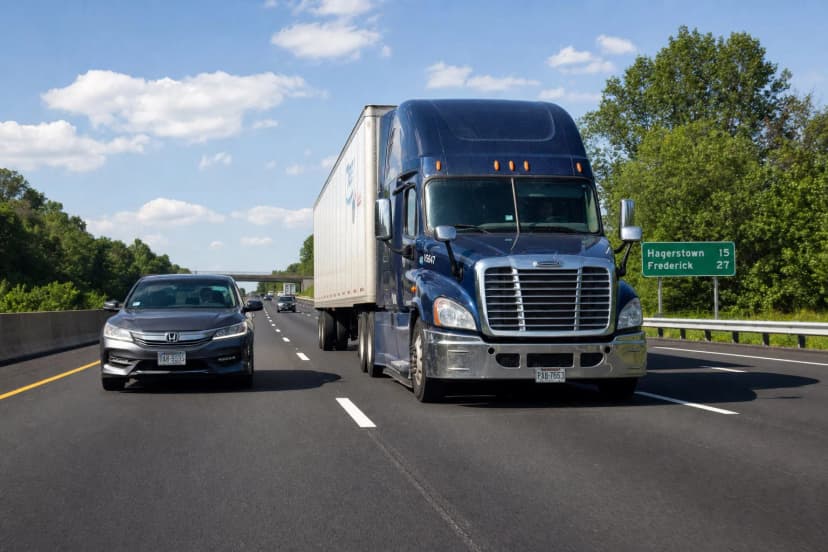
This expert report explains why the zipper (late) merge outperforms early merging under congestion, analyzes the psychology of road rage, identifies the ten most dangerous U.S. intersection patterns, and prescribes proven, low-cost engineering and community-driven interventions—paired with new privacy-first communication tools—to reduce crashes and reclaim streets.
This comprehensive research hub synthesizes federal data, engineering analysis, and community-led solutions to help drivers, parents, advocates, and planners reduce crashes caused by extreme weather and dangerous intersection geometry, combining practical driving adjustments, ten recurring intersection hazard patterns, low-cost municipal countermeasures, and emerging connected-community technologies such as license-plate alerts and crowdsourced vehicle-of-interest searches.
This article analyzes why drivers frequently 'didn't see' pedestrians and cyclists by exploring cognitive illusions (the looming effect and the illusion of absence), how modern vehicle design amplifies blind zones, the ten most dangerous intersection patterns, low-cost tactical urbanism fixes (like daylighting and LPIs), behavior-change strategies for drivers, and community technology platforms (e.g., Carszy) that enable rapid accountability and hit-and-run mitigation.
This modern driver's guide analyzes the rise in pedestrian fatalities, identifies the three highest-risk school zone moments and the ten most dangerous intersection patterns, and offers a low-cost traffic-calming playbook plus community-centered tech (Human Media™) tactics to reduce risk now.
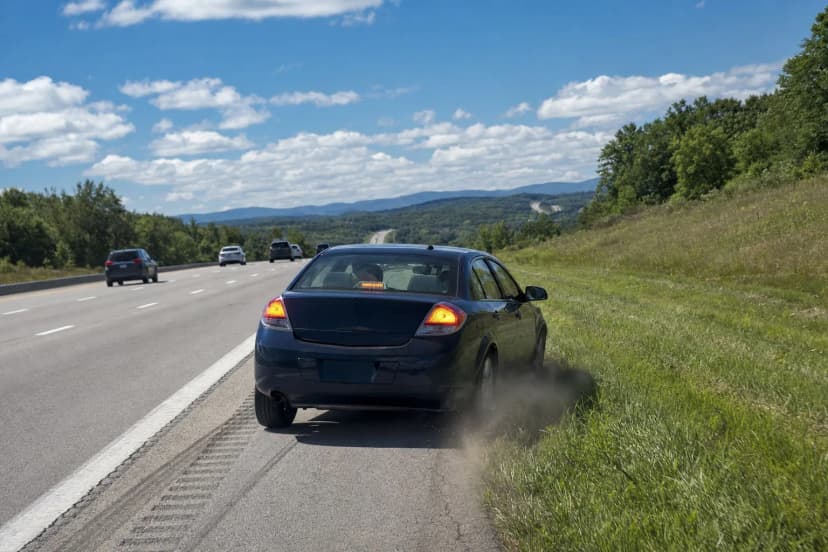
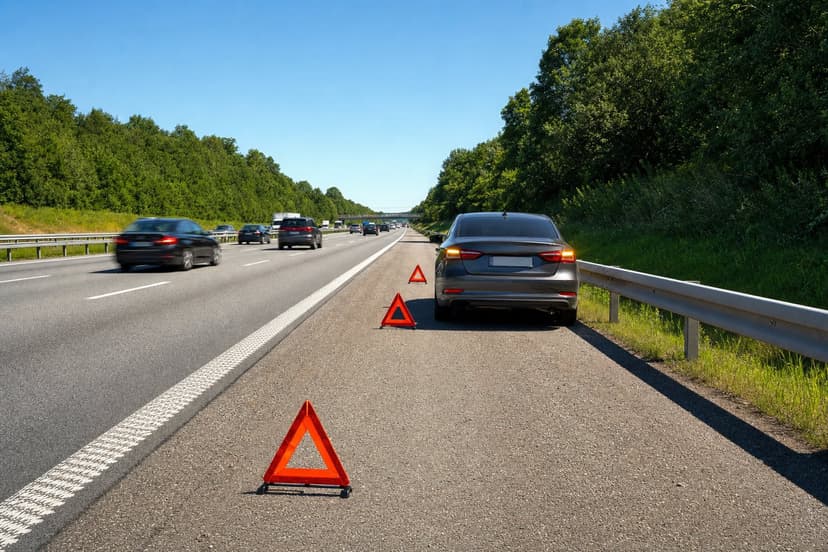
This expert guide explains how bystanders should safely respond to vehicle crashes, document forensic evidence, avoid legal pitfalls of social media, use dashcams and privacy-focused community apps, and advocate for ten proven, low-cost intersection design fixes that reduce fatalities and hit‑and‑runs.
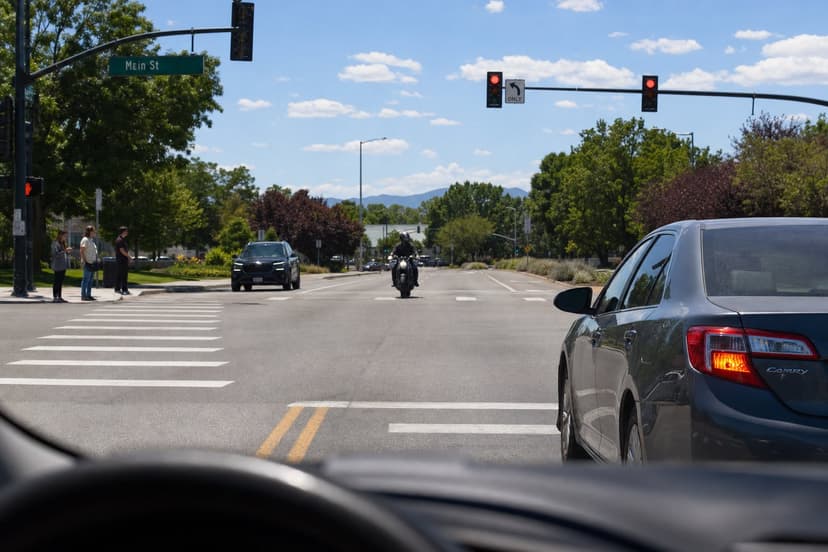
This comprehensive guide explains how to identify and safely report dangerous driving, outlines exactly what information to provide to law enforcement, surveys emerging license-plate community tools that increase accountability, and recommends low-cost tactical urbanism fixes to transform deadly intersection patterns and reclaim street safety.
This article explains the physical and psychological impact of traffic near-misses and provides a clear 5-step driver checklist for immediate safety, documentation, and mental recovery; it then shifts to systemic prevention by identifying the ten most dangerous intersection patterns, recommending low-cost quick-build fixes with supporting data, and describing how community-focused “Human Media” technology (exemplified by Carszy) enables real-time, privacy-preserving driver-to-driver alerts and rapid community response.
This article maps where most near-miss driving incidents occur—intersections, school zones, and parking lots—explains why they happen, and outlines community, technological, design, and behavioral fixes to convert near misses into prevention.
This article presents a science-backed, operational protocol of 10 immediate actions to reduce nighttime driving risk, combining physics (headlight range and stopping distance), optics (headlight restoration and aiming, interior glass cleaning), human biology (mesopic vision, circadian dip, microsleeps), behavioral tactics (dark cockpit, active scanning, mirror setup), and emerging digital solutions (Human Media, VOIS, LPM) into practical steps drivers and fleets can apply tonight.